
The complete guide
How to Choose an Alpaca Blend Throw Blanket
The problem a good throw solves
Most homes have a heating gap. The room is comfortable enough when you are moving around, but the moment you sit still on the sofa for an hour, your legs get cold. Turning the heating up for one person in one chair is expensive and makes the rest of the house stuffy.
A throw blanket fixes that gap cheaply. It warms the person, not the building. The problem is that most throws fall into one of two traps. They are either thin decorative pieces that look nice folded over a chair and do nothing when you unfold them, or they are heavy fleece slabs that feel warm for ten minutes and then make you sweat.
An alpaca blend throw sits between those extremes. It is light enough to use while you are sitting upright, warm enough to be worth reaching for, and breathable enough that you do not end up kicking it off.
What alpaca fibre actually does
Alpaca is a fleece fibre, like sheep wool, but the structure is different. The fibres are hollow or semi-hollow, which traps air. Air is a very good insulator, so a fabric made from alpaca holds heat well without needing to be thick or dense.
That is the practical takeaway. You get warmth per gram rather than warmth per centimetre of bulk. A thin alpaca blend fabric can keep you warmer than a much chunkier synthetic throw, and it will feel lighter across your knees while doing it.
Alpaca also carries no lanolin. Lanolin is the waxy grease in sheep wool that gives some fleece its distinct smell and causes a reaction in some people. Without it, alpaca tends to feel smoother and sits better against skin. Plenty of people who gave up on wool blankets years ago get along fine with alpaca.
The fibre breathes too. Rather than sealing heat in like a plastic sheet, it lets moisture move through. That is why a wool-family throw feels warm but not clammy, and why it works in a mild climate as well as a cold one.
Why this one is a blend
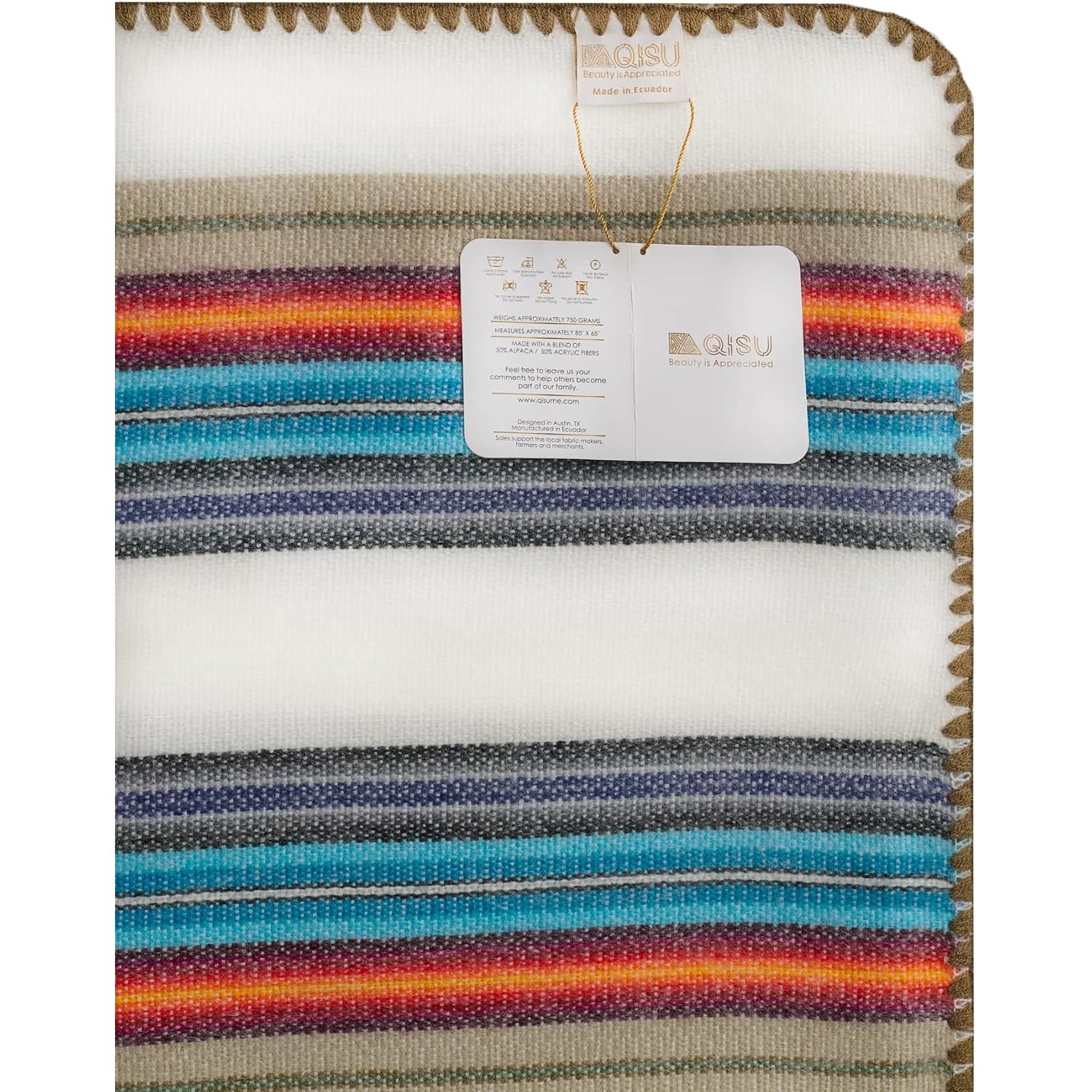
This throw is 50% alpaca wool and 50% acrylic. We say that up front because the difference between a blend and a pure fibre piece is real, and the word alpaca gets used loosely in this category.
Pure alpaca is softer, lighter and more expensive. It also wants more careful handling. Wash it wrong and you can felt it. For a throw that lives on a sofa and gets pulled around daily, there is a decent argument for not using pure alpaca at all.
The acrylic half brings three things. It adds abrasion resistance, so the fabric copes with being sat on, folded and dragged about. It helps the throw hold its shape through washing, which is where a lot of pure wool pieces lose their size. And it brings the price down into a range where you can own a nice throw without treating it like an heirloom.
What you give up is a small amount of the loft and hand feel you get from a single-fibre piece. For most buyers choosing a soft wool throw for everyday use, that is a trade worth making.
Working out the right size
Throw sizes vary wildly between makers, so think about use rather than numbers.
If you want it for one person on the sofa, you need enough fabric to cover from shoulders to feet with a bit of overlap. That usually means something around the length of an adult body plus a good margin.
If you want it to dress a bed, measure the width of the bed and add enough on each side to drape rather than perch. A throw that only just spans the mattress looks mean. One that falls a reasonable way down each side looks deliberate.
If you want it for travel, prioritise fold-down size and weight over coverage. A large throw blanket for sofa use is sometimes too much blanket for a plane seat.
The exact finished dimensions of this throw are not specified in this product record. It is sold as a generously sized piece suited to a two-seater sofa or the end of a bed. If you need precise measurements before you commit, ask us and we will check current stock.
Where a throw like this earns its keep
The sofa is the obvious place, and it is where most throws spend their lives. Keep it folded over the arm or in a basket beside the chair so it is within reach without getting underfoot.
Beds are the second use. A throw laid across the foot of the bed is partly decoration and partly insurance. On a cold night you pull it up over your feet and legs, which is where most people lose heat first, without adding a whole extra layer across your chest.
Then there is everything else. Cold offices. Caravans. Camp chairs. Spare-room bedding when guests arrive unexpectedly. Stadium seats in winter. Reading chairs by a window. A lightweight wool throw gets used in more places than a bed quilt ever will, simply because you can pick it up and carry it.
Caring for it without fuss
The rules are short.
Wash cool, on a delicate or wool cycle, with a mild detergent made for wool. Hand washing works just as well if you prefer. Skip the bleach and skip the fabric softener, which coats fibres and dulls the hand feel over time.
Do not wring it. Press the water out, reshape the throw while it is damp, and dry it flat. Hanging a wet wool blend over a line can stretch it out of shape under its own weight.
Keep it away from the tumble dryer. Heat is what shrinks and felts the alpaca content, and once that happens there is no fixing it.
Between washes, air it. Hang it outside on a dry day for a few hours and most of the stale-room smell lifts out by itself. Spot clean small marks with cool water and a dab of mild detergent rather than washing the entire throw.
If it pills in the spots that get the most friction, a cheap fabric shaver tidies it in minutes. That is normal wear on a knit fabric, not a fault.
For summer storage, make sure it is clean and dry, then fold it into a breathable cotton bag rather than sealed plastic. Damp cupboards are the enemy.
Choosing between a throw and a quilt
People sometimes ask whether to buy a throw or just add another quilt. They do different jobs.
A quilt is for lying down under. It is heavier, warmer and designed to stay on a bed. A throw is for sitting up with, carrying around and layering. If the problem is cold nights in bed, buy bedding. If the problem is cold evenings on the sofa, buy a throw.
A lot of households end up with both, plus a cotton throw for summer. That is not over-buying. Different fabrics suit different temperatures, and a cosy sofa throw you only use four months of the year is still a throw you use.
The short version
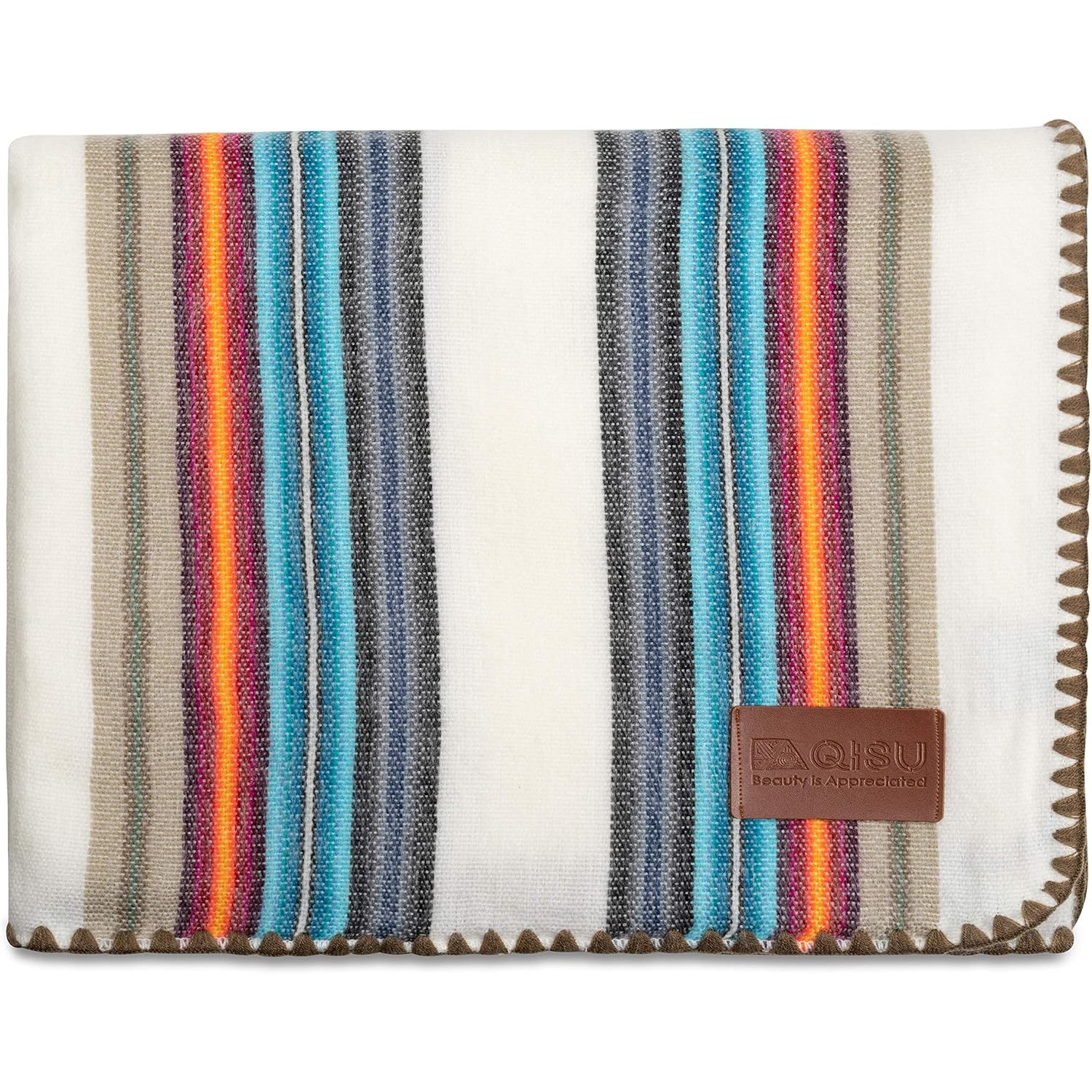
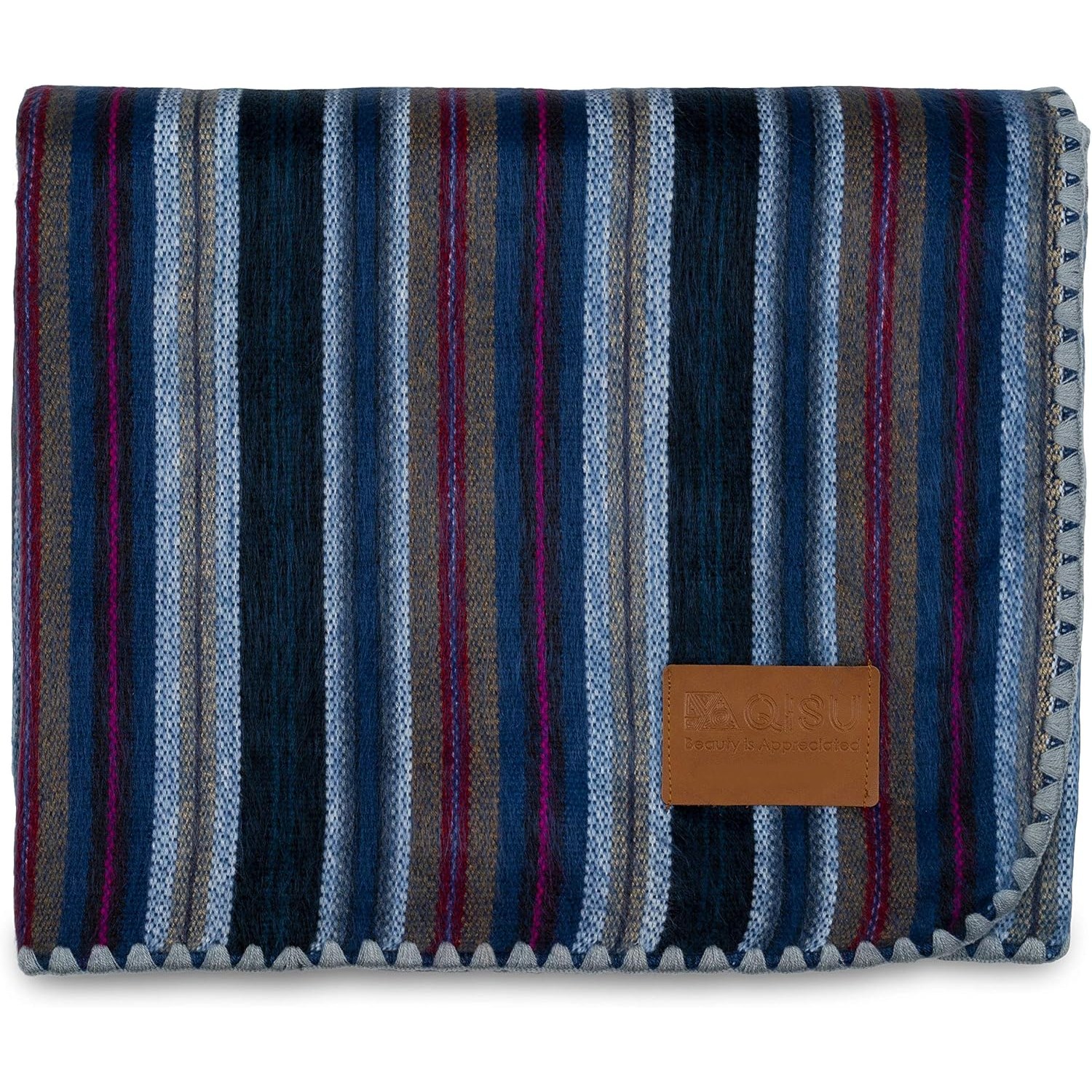
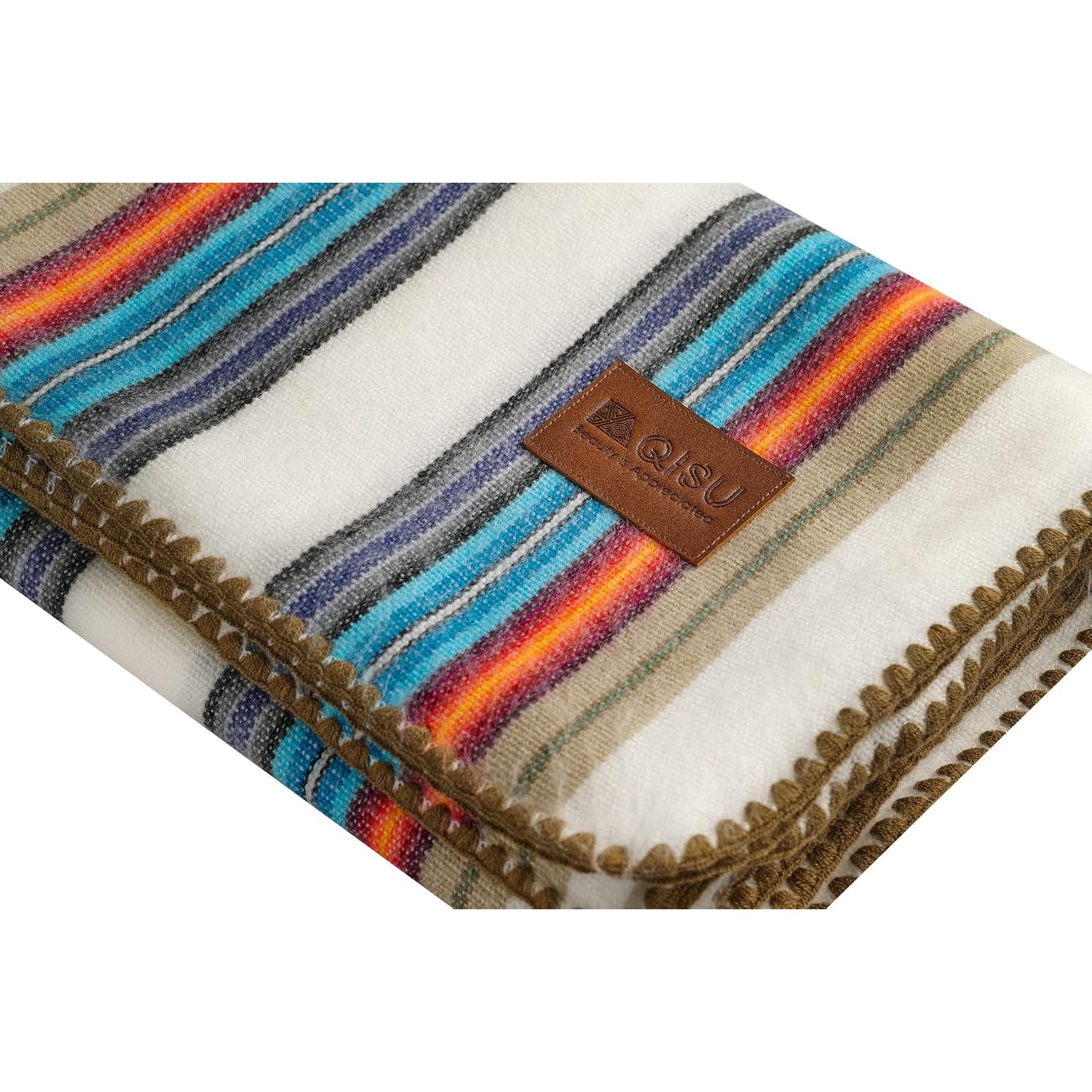
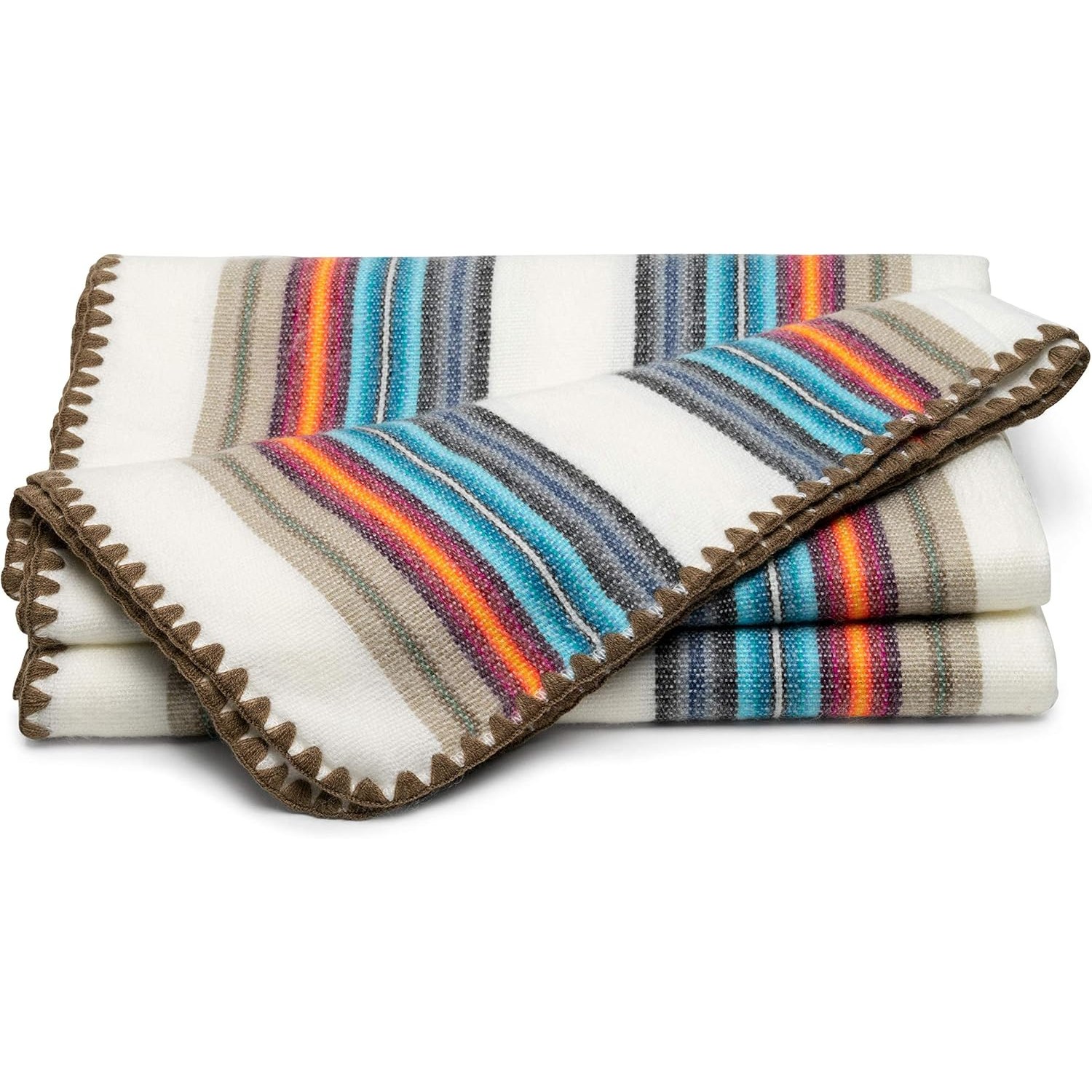
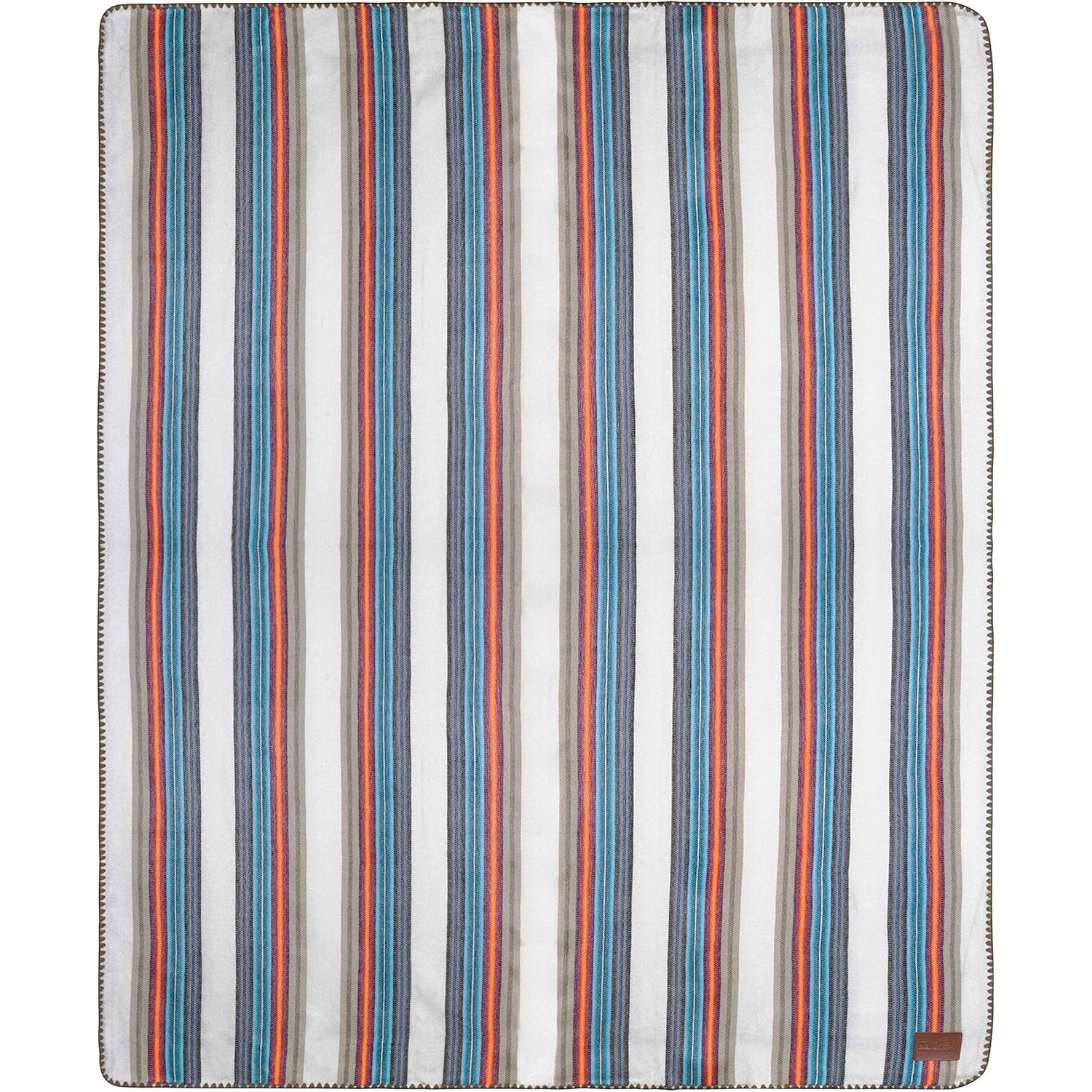
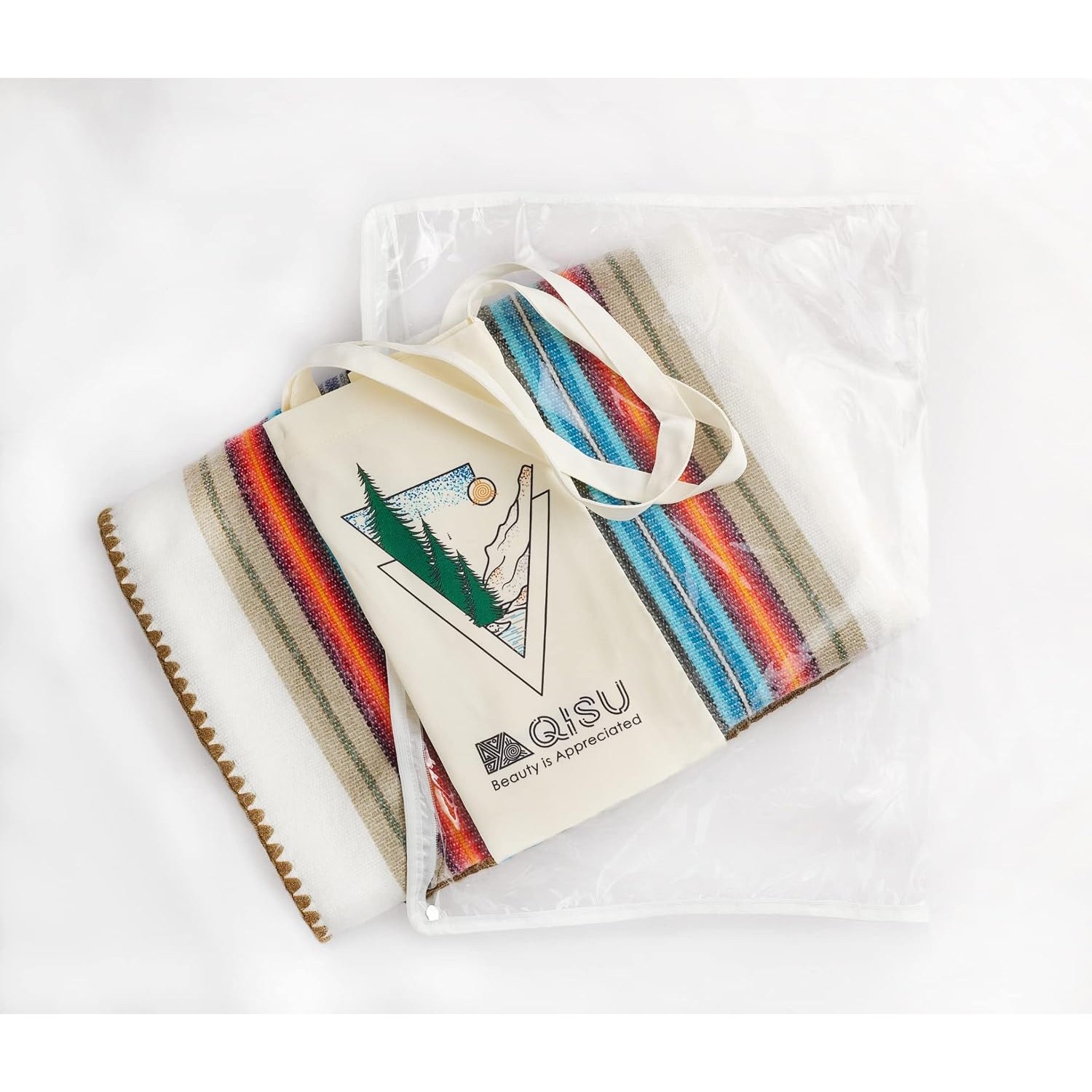
This is a 50% alpaca wool and 50% acrylic throw blanket, sized generously for sofa or bed use. The alpaca content gives you warmth without weight and a smoother feel than coarse sheep wool. The acrylic content makes it durable and easy to wash at home.
Wash it cool on a delicate cycle, dry it flat, keep it out of the dryer, and air it between washes. That is the whole care routine.
If you want a pure luxury fibre piece, this is not that, and we are not going to pretend otherwise. If you want a soft, light, practical throw that lives on the sofa and actually gets used, this is a sensible pick.