
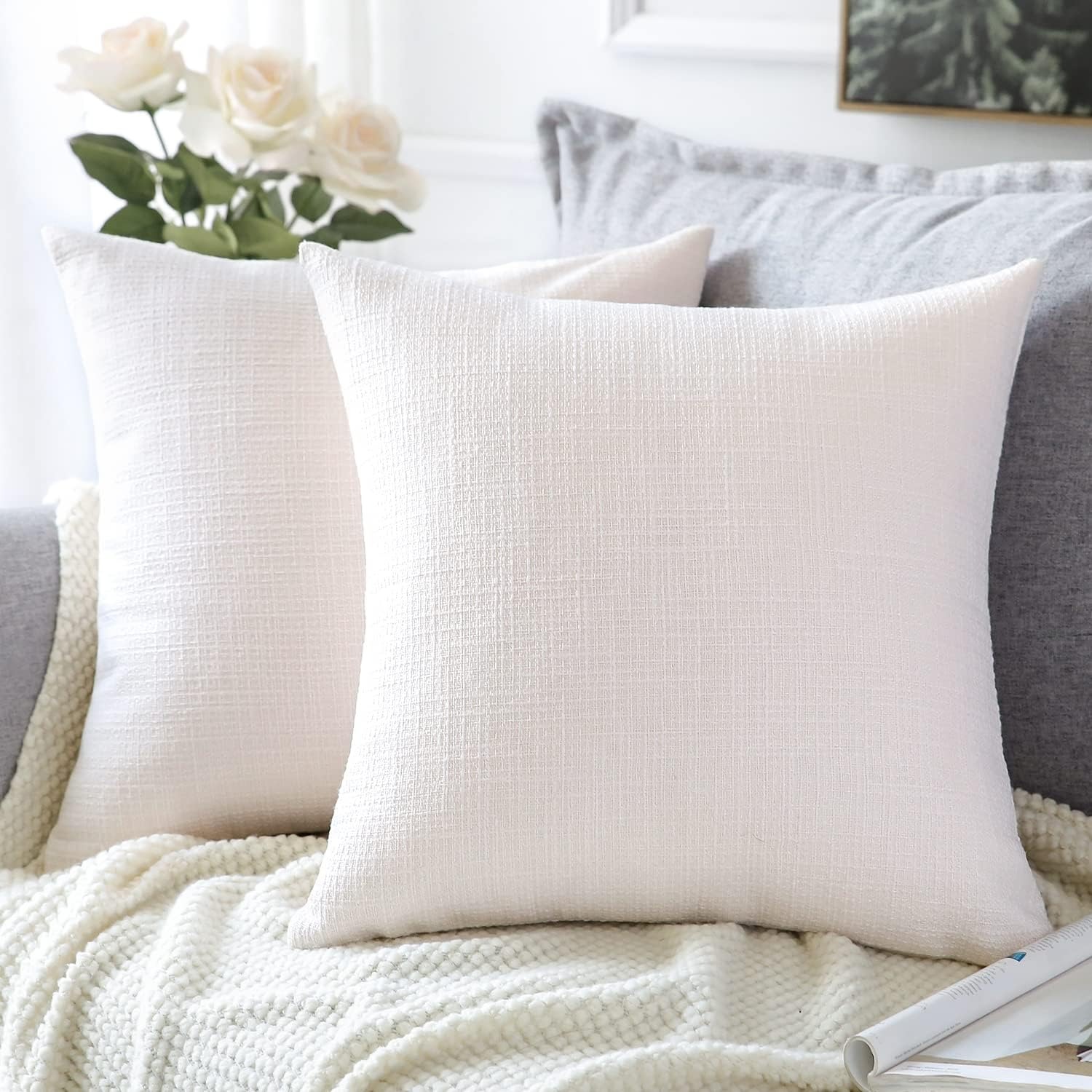
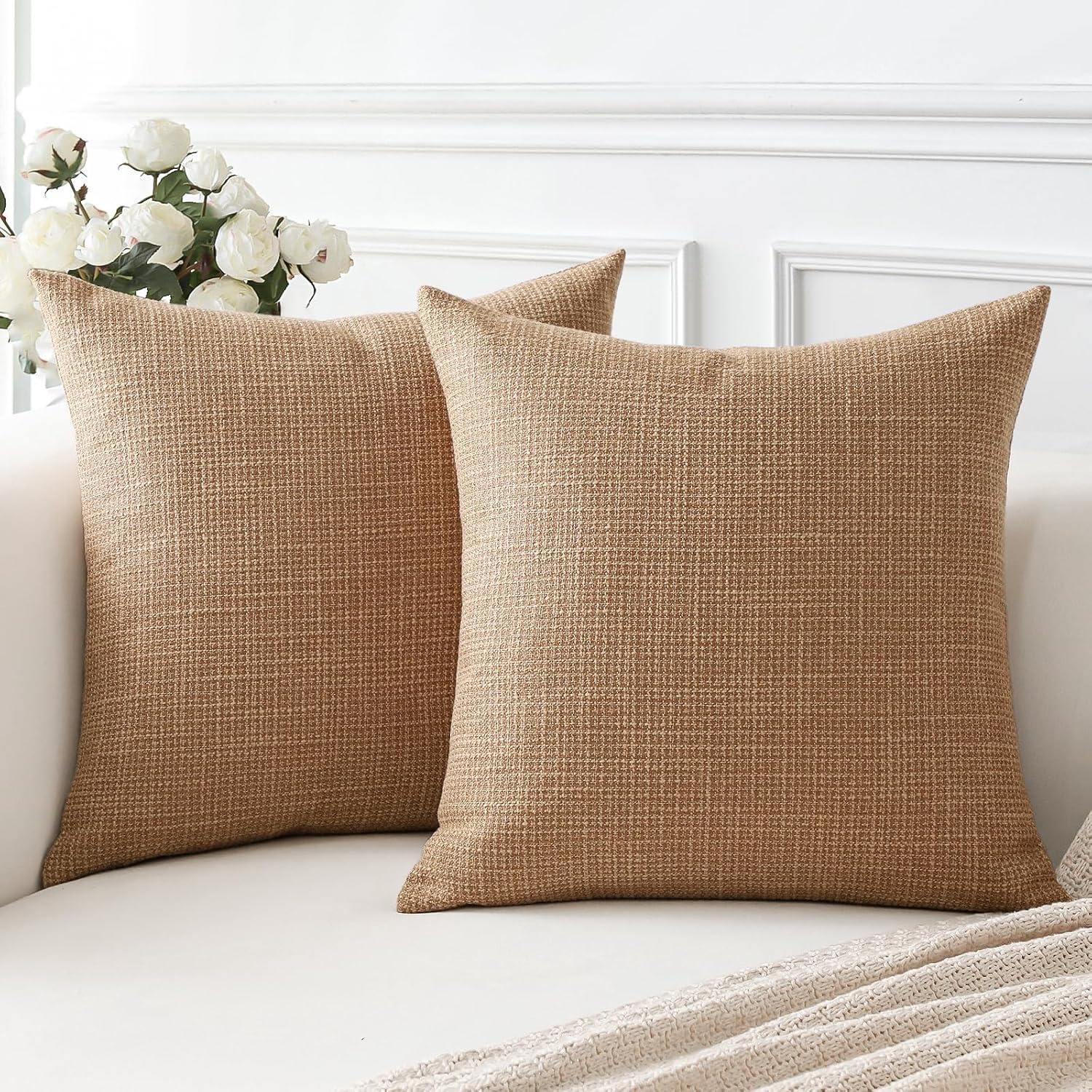
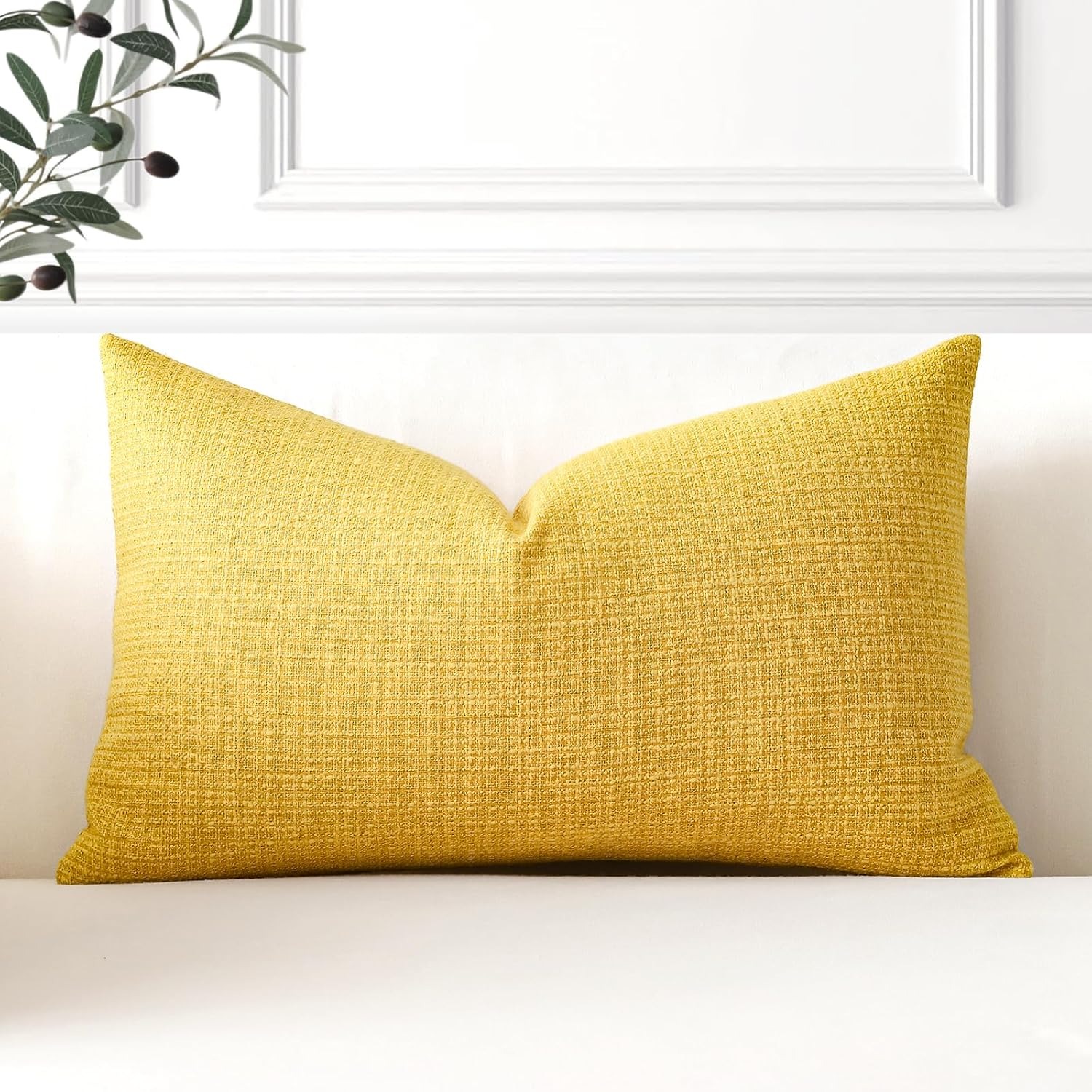
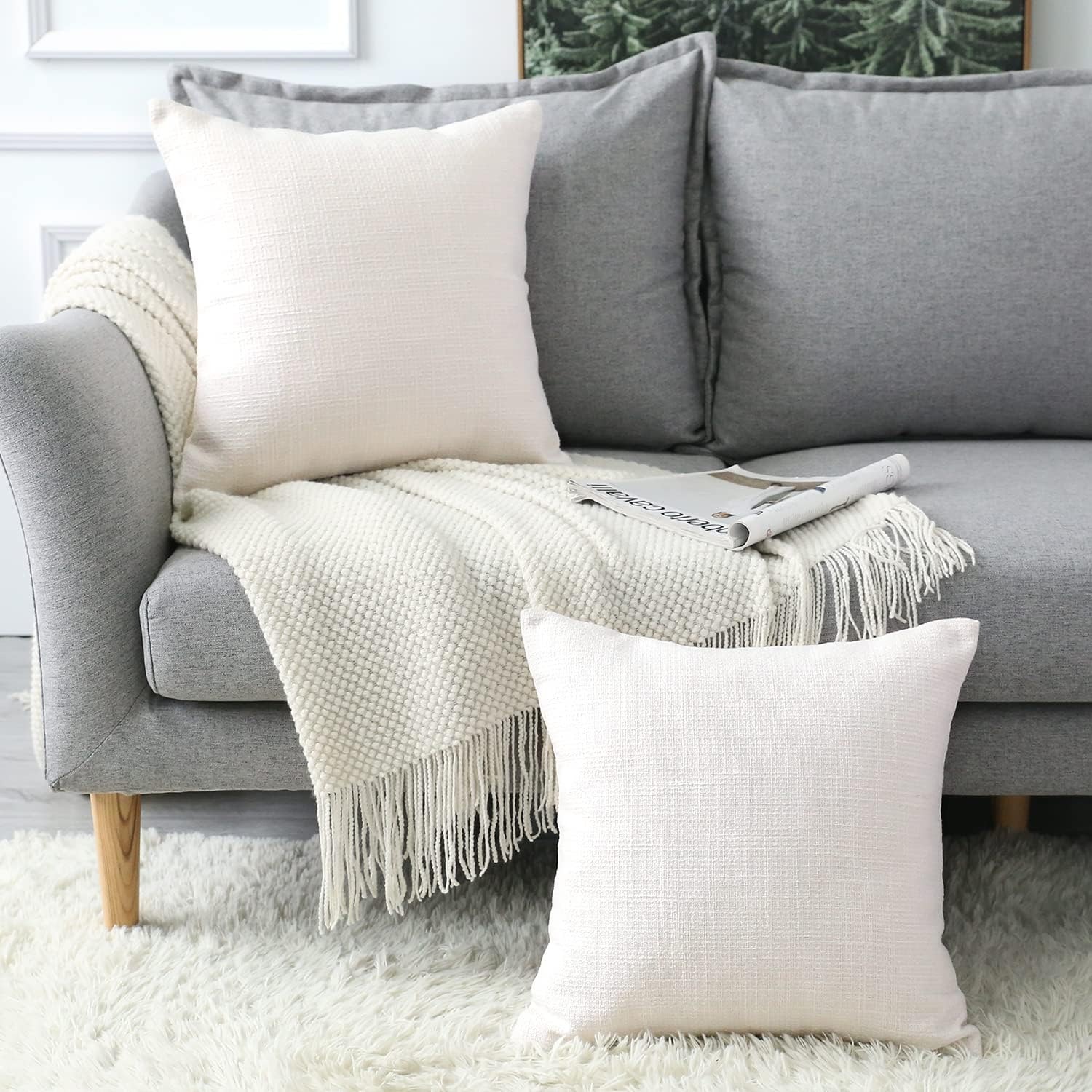
The complete guide
How To Choose Linen Cushion Covers 45 cm That Actually Suit Your Room
The problem with the cushions you already have
Most sofas end up with the cushions they came with. They were fine on day one. Three years later the fabric has gone slightly grey at the leaning point, one has a coffee mark that never quite lifted, and the whole arrangement looks tired rather than styled. Nothing is broken. Nothing is worth throwing out. The room just feels flat.
Replacing whole cushions is the expensive answer. Inserts are bulky, they cost a surprising amount to ship, and the part that has actually worn out is usually just the outside. A set of linen cushion covers 45 cm square solves the real problem for a fraction of the money and about two minutes of work.
That is the whole pitch. Keep the inner pads, change the skin.
Why 45 cm is the size to buy
If there is one standard in cushions, it is 45 cm square, also written as 18 by 18 inches. Walk into almost any homewares shop and that is the size stacked highest. It is the size most sofa cushions are cut to, the size most inserts are sold in, and the size you will have the easiest time replacing in five years.
Buying at 45 cm means your covers stay useful. Move house, change the sofa, pass a set to a flatmate, and the size still works. Odd sizes like 43 cm or 50 cm look fine on the shelf and then trap you later when you want a matching insert.
Before you order, do the check that takes ten seconds. Lay a current cushion flat and measure edge to edge across the face, seam to seam. If you land between 45 and 48 cm, this set will fit and look good.
How the hidden zip changes the look
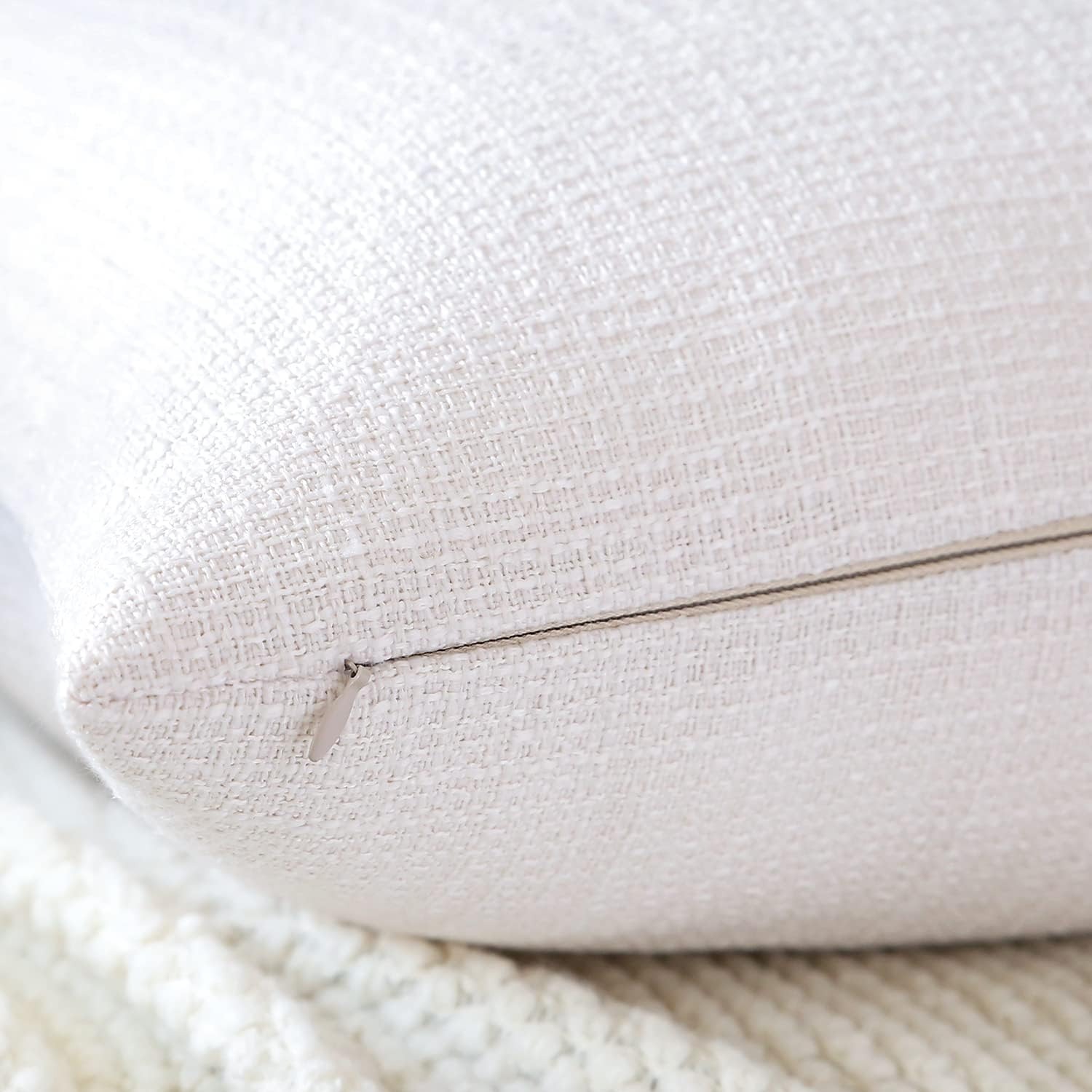
A cushion cover is one flat panel of fabric facing the room. Anything that interrupts that panel pulls the eye. A visible zip, a row of buttons, a drawstring: each one makes the cushion read as a container rather than as a soft piece of the room.
A hidden zip sits inside the seam. From a metre away you cannot see it at all. You get a clean face, a tidy edge, and no hardware pressing into your back when you lean on it. It also means you can turn the cover and put the opening at the bottom, where it will never be noticed.
The practical side matters too. A zip lets you pull a cover off in seconds without wrestling. Envelope back covers are cheaper to make but they gape, and the flap works loose every time someone sits down hard. For covers you plan to wash often, the zip wins.
What linen brings that other fabrics do not
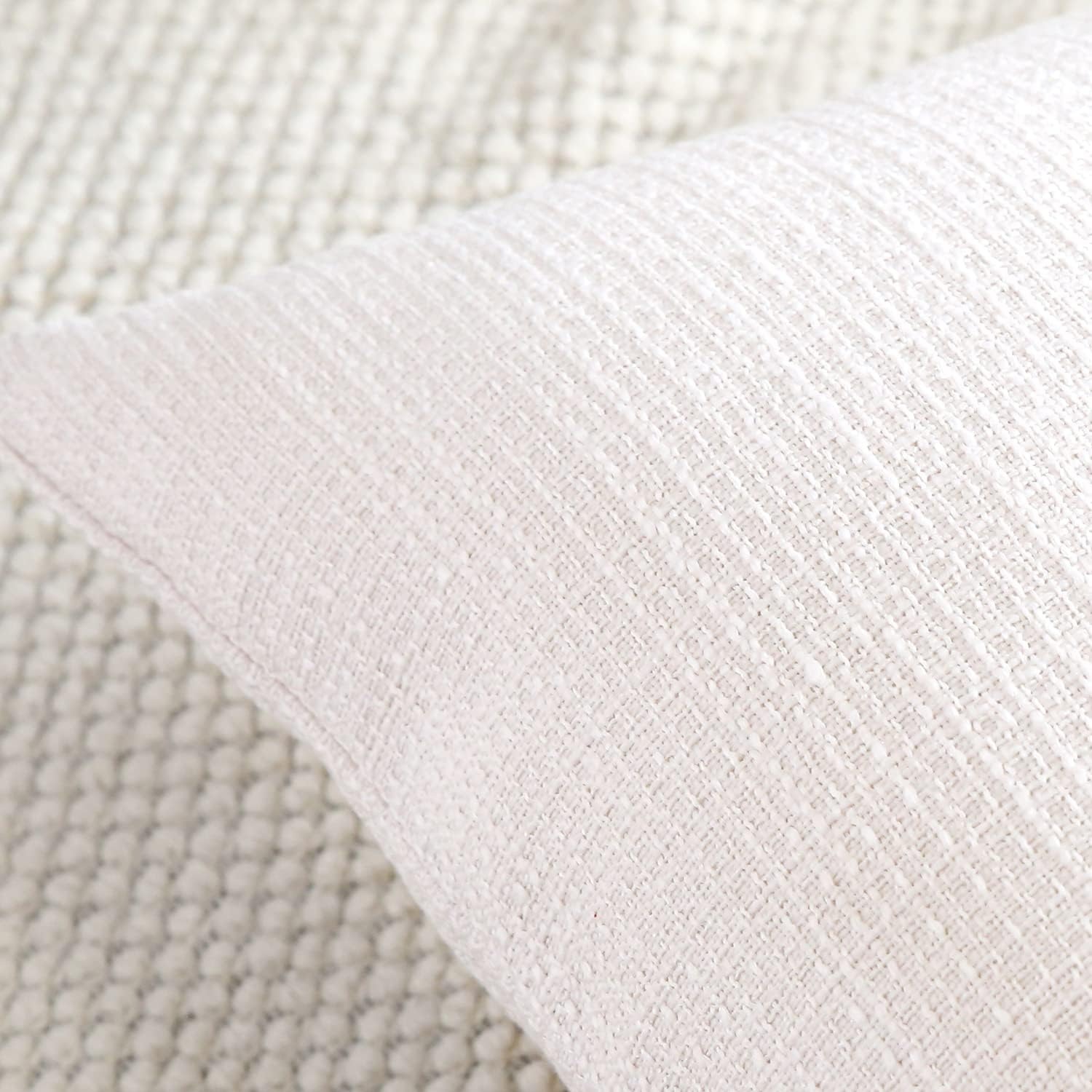
Linen has a visible grain. Light catches the weave slightly unevenly, which gives a plain cover depth that a flat polyester never gets. That texture is why a room full of plain linen cushions still looks finished rather than bare.
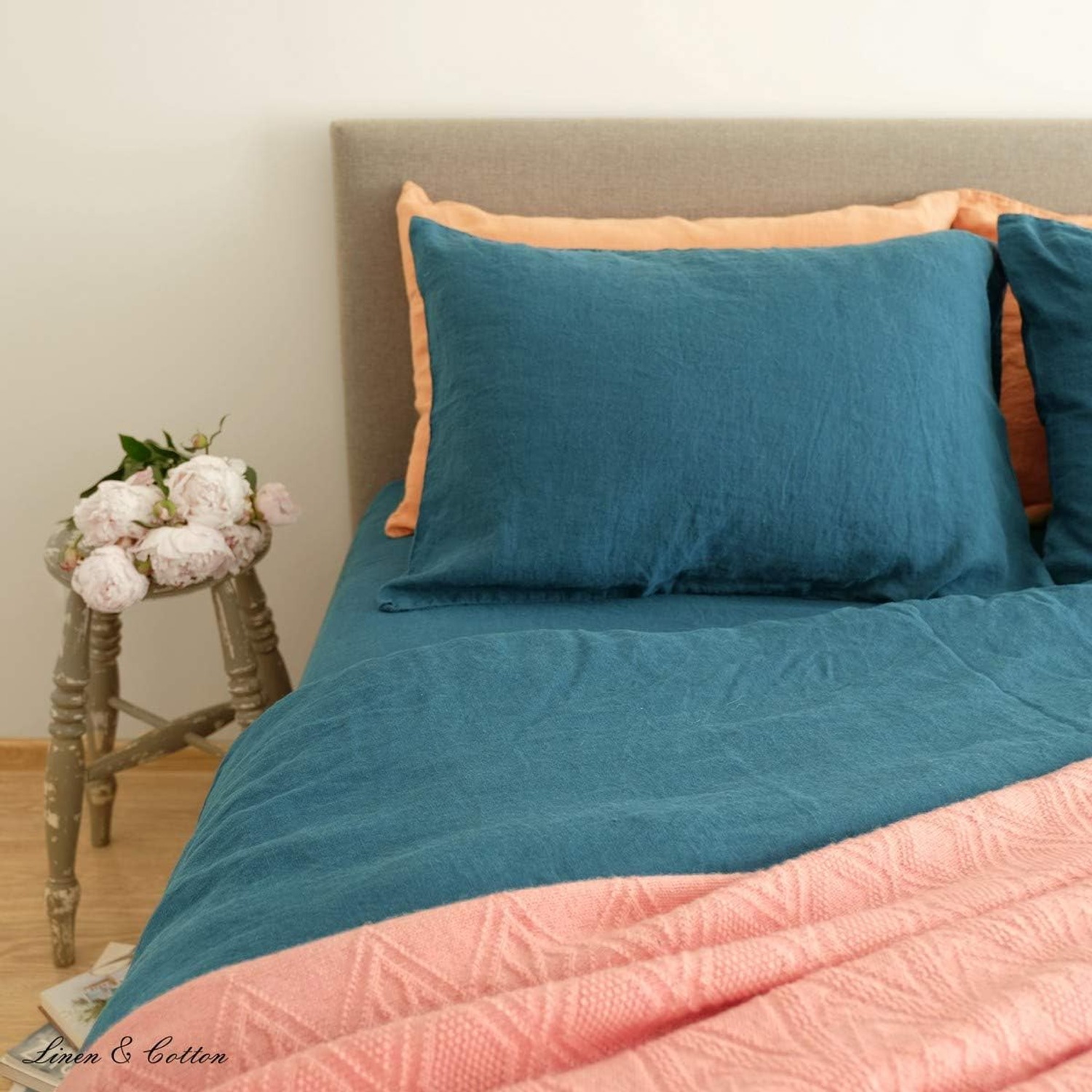
It is also comfortable in a specific way. Linen moves air well, so it does not go clammy against your arm on a warm evening. People who lie on the sofa in summer notice this immediately. It is the same reason linen keeps showing up in bedding year after year.
And linen ages forwards. Cotton tends to pill and go fuzzy. Synthetics go shiny at the contact points. Linen softens, which is the kind of wear nobody minds. The creases that come with it are part of the look, not a fault to fight.
If you want the crispest finish, a warm iron on the reverse while the fabric is still a little damp will flatten it right out. If you prefer the relaxed look, just shake the cover out after washing and let it be.
Who these suit
People renting. You cannot repaint, you cannot change the carpet, and the landlord's sofa is beige. Cushion covers are one of the only decorating moves fully available to you, and they come along to the next place.
People with pets. Dog hair and claws are hard on upholstery. A washable cover you can strip off and clean weekly is far more practical than a permanent cushion you can only spot clean.
People who like changing things seasonally. Two sets of covers in a drawer take up less space than one spare cushion. Swap them at the start of summer, swap back when the nights get cold.
People buying a gift. A set of two is a complete present. It works for a housewarming, a wedding list, or a first apartment, and it posts flat without costing much in shipping.
How to style a set of two
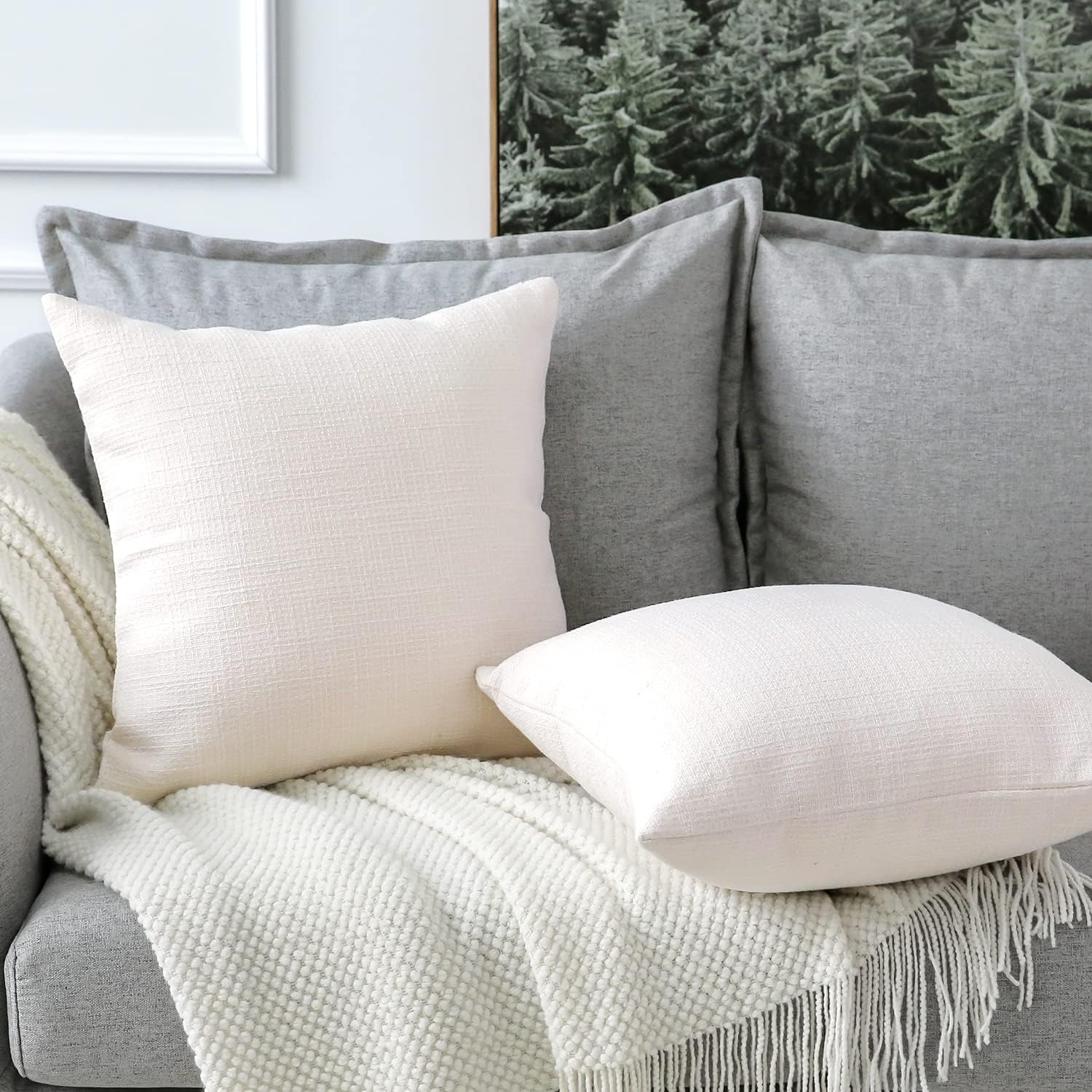
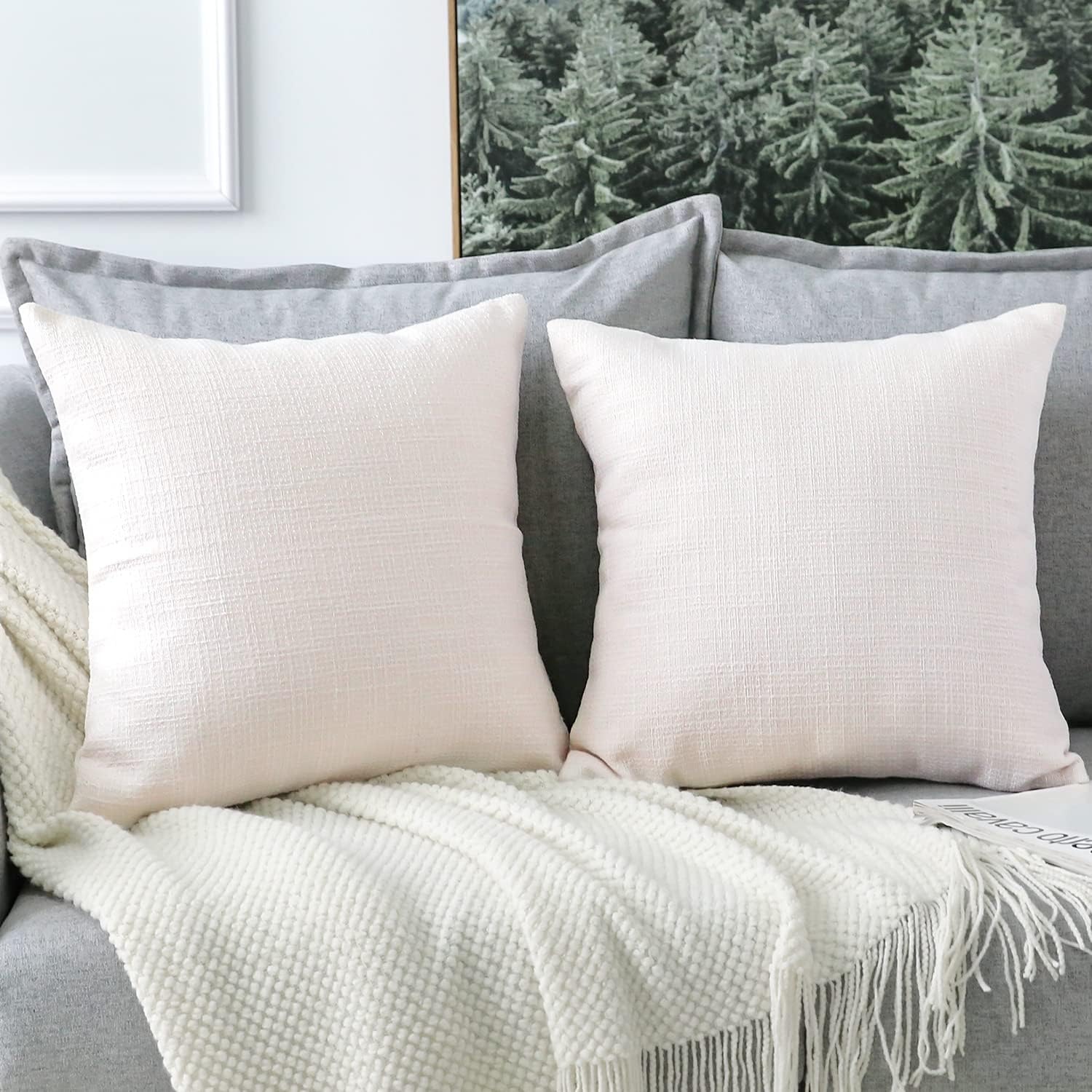
Two is a flexible number. On a two or three seater sofa, one at each end is the classic arrangement and it instantly looks deliberate. On a pair of armchairs, one each ties the chairs together across a room.
On a bed, place both in front of your sleeping pillows. On a double or queen that is exactly right. On a king, three across looks better, so add a single cushion in a related shade or a soft pattern.
If your room already has a lot going on, plain is the smart choice. Pattern needs somewhere to stop. A couple of quiet linen covers give the eye a rest and make the patterned piece look chosen rather than accidental.
If your room is very plain, you can go the other way and use texture instead of colour. Two linen covers in a shade close to your sofa still read as a layer, because the fabric grain is different from the upholstery.
Getting the plumpness right
Here is the trick most people never hear. A 45 cm cover over a 45 cm insert sits flat and neat, which suits a minimal room. A 45 cm cover over a 50 cm insert sits full and firm, which is the look you get in hotels and showrooms.
Both are correct. It depends what you want. If your current inserts have gone soft and sad, that is usually the real reason the cushions look tired, not the covers. New inserts are cheap and they make a bigger visual difference than almost anything else you can buy for a sofa.
Do not push past 50 cm into a 45 cm cover. The seams take the strain and the zip becomes a struggle.
Care that keeps them looking good
Take the insert out first. Close the zip before washing, which protects both the teeth and the seams. Wash cold on a gentle cycle with similar colours, and leave the bleach alone.
Skip washing them with towels. Towel lint clings to linen and takes real effort to pick off. A mesh laundry bag adds cheap protection if your machine is rough.
Drying on a line is best. If you use a dryer, keep it on low and pull the covers out slightly damp, then smooth them by hand or iron them. High heat is what shrinks natural fibres, not washing itself.
Keep them out of a hot sunny window where you can. Direct sun fades everything eventually. Rotating the cushions every month or two spreads the wear and keeps the fading even.
The short version
Buy covers, not cushions, if the inserts you own are still decent. Choose 45 cm because it is the size you can always match. Go for a hidden zip so the front stays clean and the cover comes off easily on wash day. Pick linen if you want texture and breathability that improves with use rather than wearing out.
A set of two is enough to change how a sofa or a bed looks, and it takes about a minute to fit. For the money, nothing else in a room does that much work.