
The complete guide
How to Choose a Merino Beanie and Scarf Set That Actually Keeps You Warm
The problem with being cold
Most people buy a good winter coat and then wonder why they are still miserable outside. The answer is usually simple. A coat protects your torso, and your torso was never the weak point. Heat escapes fastest from exposed skin, and in winter the exposed skin is your head, your ears, your neck and the gap between your collar and your chin. Wind finds that gap immediately.
That is why a hat and scarf together beat a hat alone. The scarf closes the collar gap. The hat covers the ears. Between them they turn a coat that was only partly working into a coat that works properly.
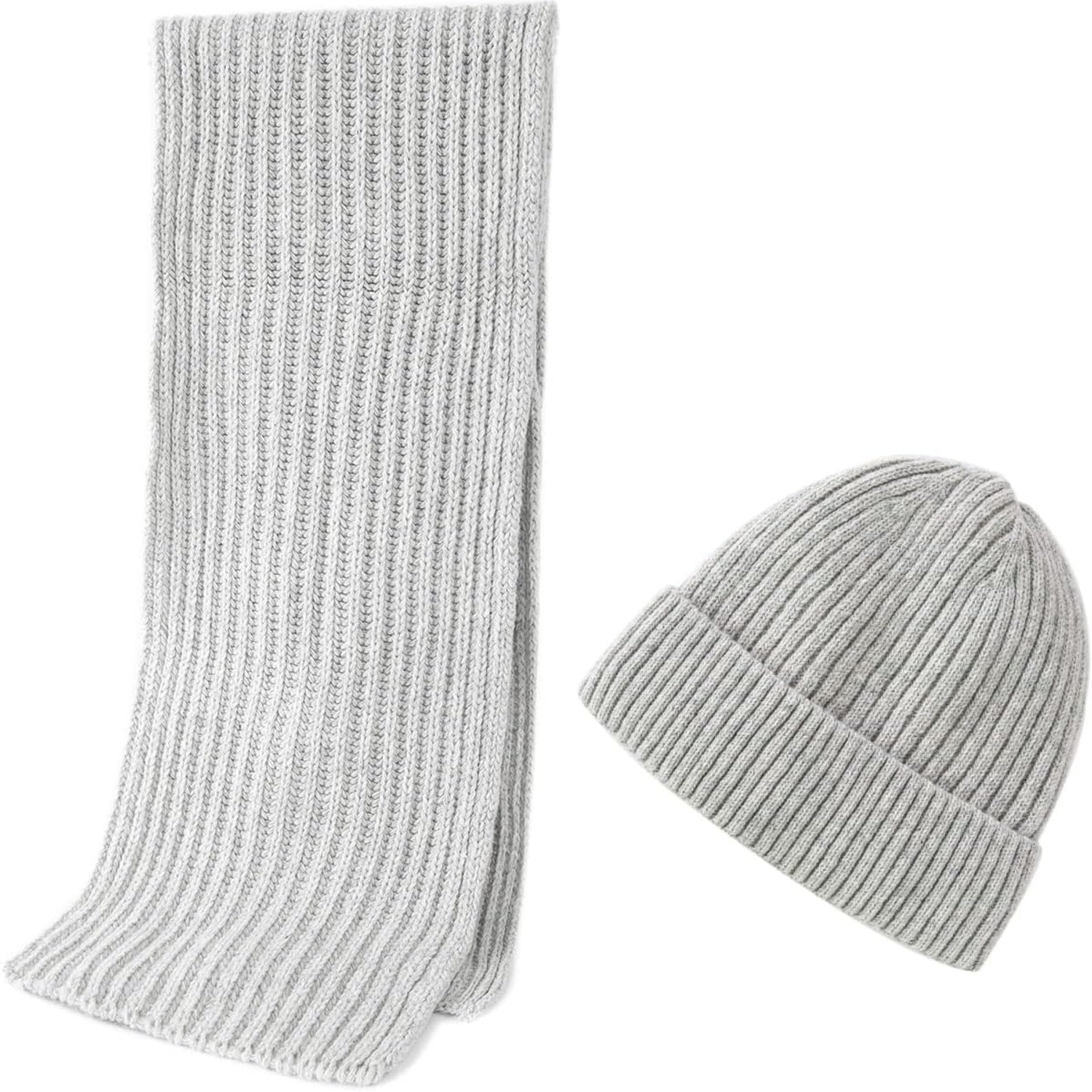
A merino beanie and scarf set takes the matching problem off your plate too. Buying a hat one winter and a scarf the next tends to end with two things that do not go together. Sold as a pair, the knit, the weight and the colour already line up.
What merino wool actually gives you
Wool is the oldest cold-weather material we have, and it stayed popular for good reasons. It traps air inside the fibre structure, and trapped air is what keeps you warm. It also handles moisture better than most synthetics, holding a useful amount of warmth even when it is damp from drizzle or sweat.
Merino is a specific type of wool. The fibres are finer in diameter than standard sheep wool. Fibre diameter is the thing that determines whether knitwear feels soft or scratchy against skin, because thicker fibres are stiffer and poke at nerve endings. Finer fibres bend instead. That is the whole explanation for why a merino scarf sits comfortably on your neck while an old farm jumper does not.
For a set like this, where both pieces touch your face, that difference matters more than it would for a jumper worn over a shirt.
How the cable knit and lining work together
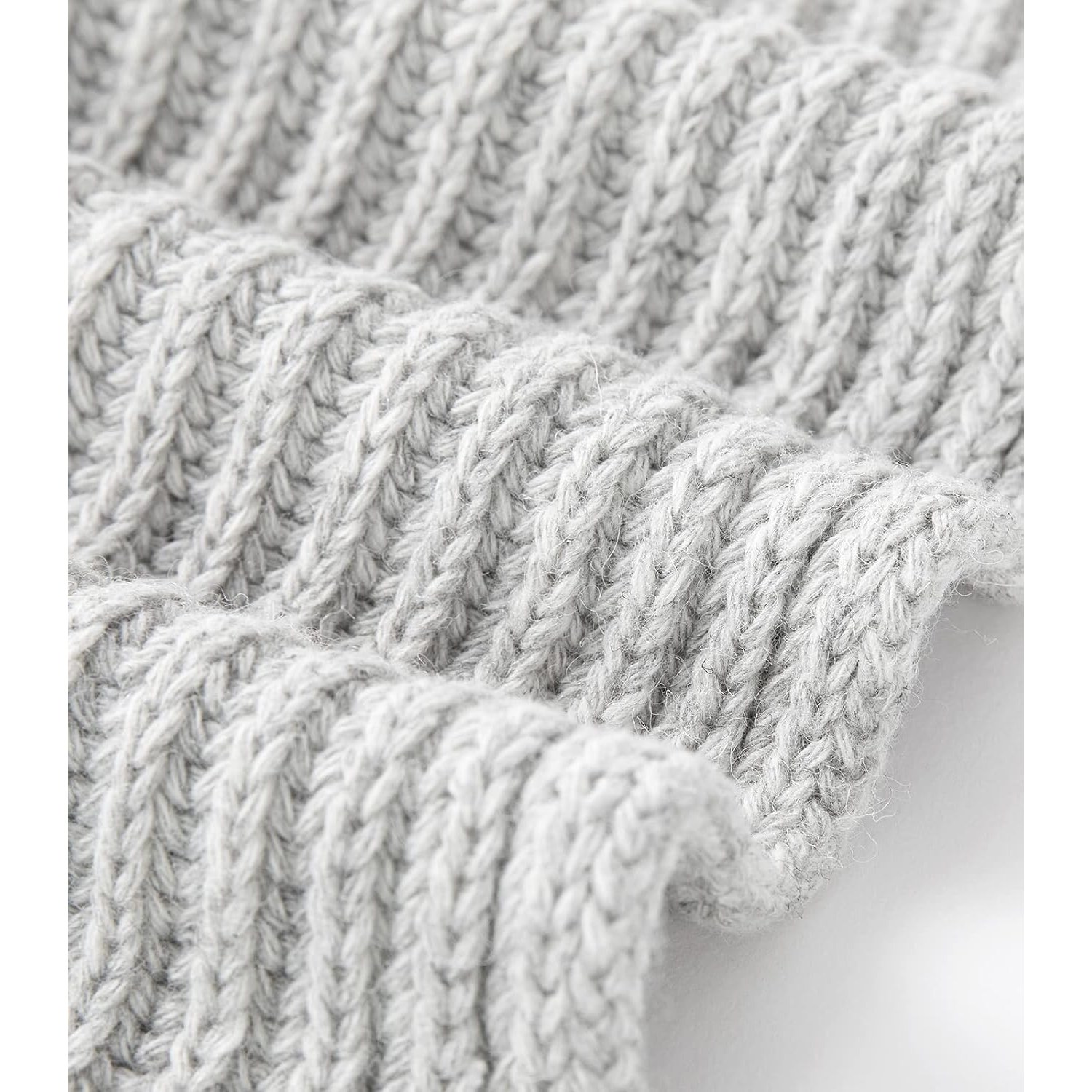
This set uses a cable knit pattern. Cables are those raised rope-like sections running through the fabric. They look traditional, which is part of the appeal, but they also do something useful. Crossing the yarn over itself adds thickness in those sections, so the fabric holds more air than a flat knit of the same yarn would.
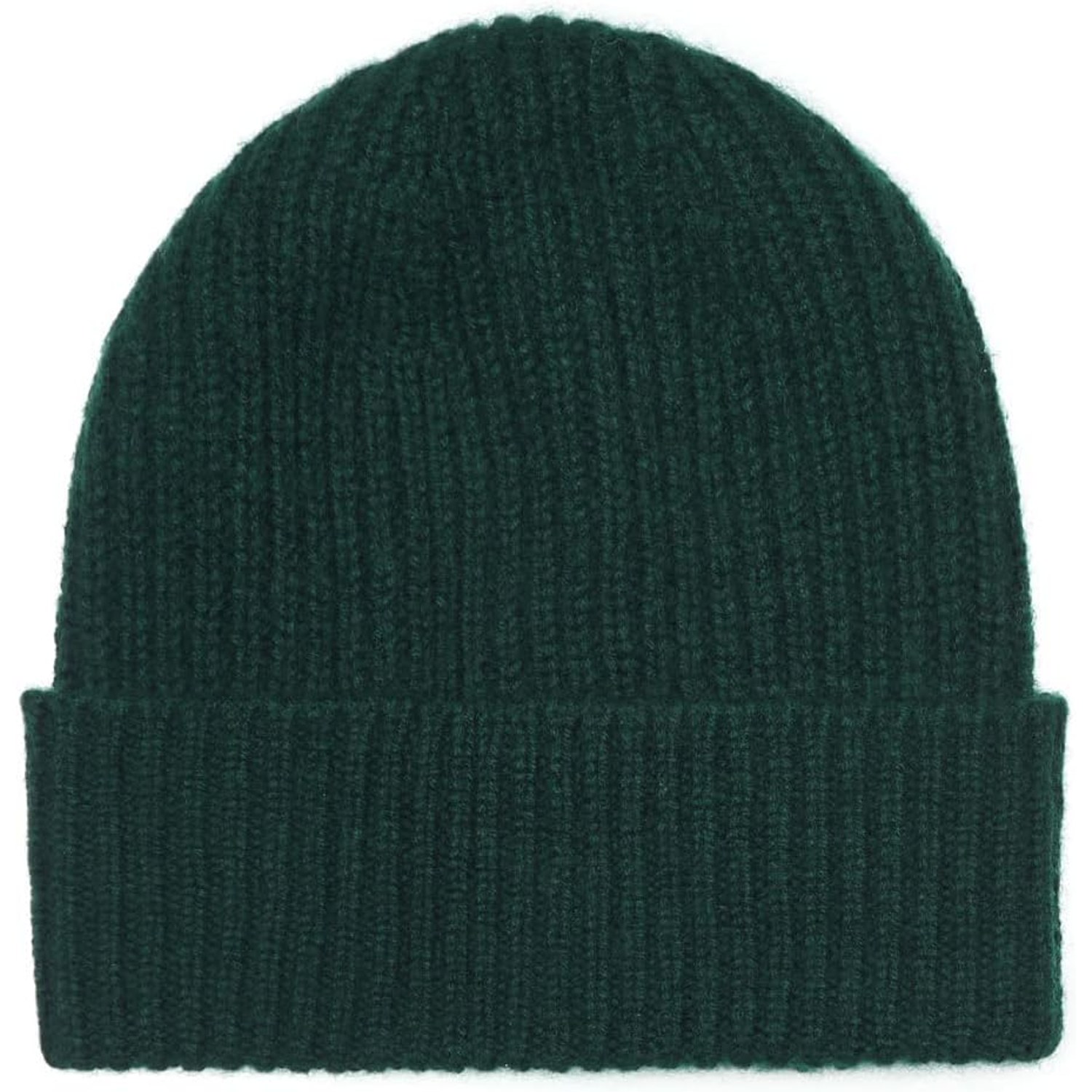
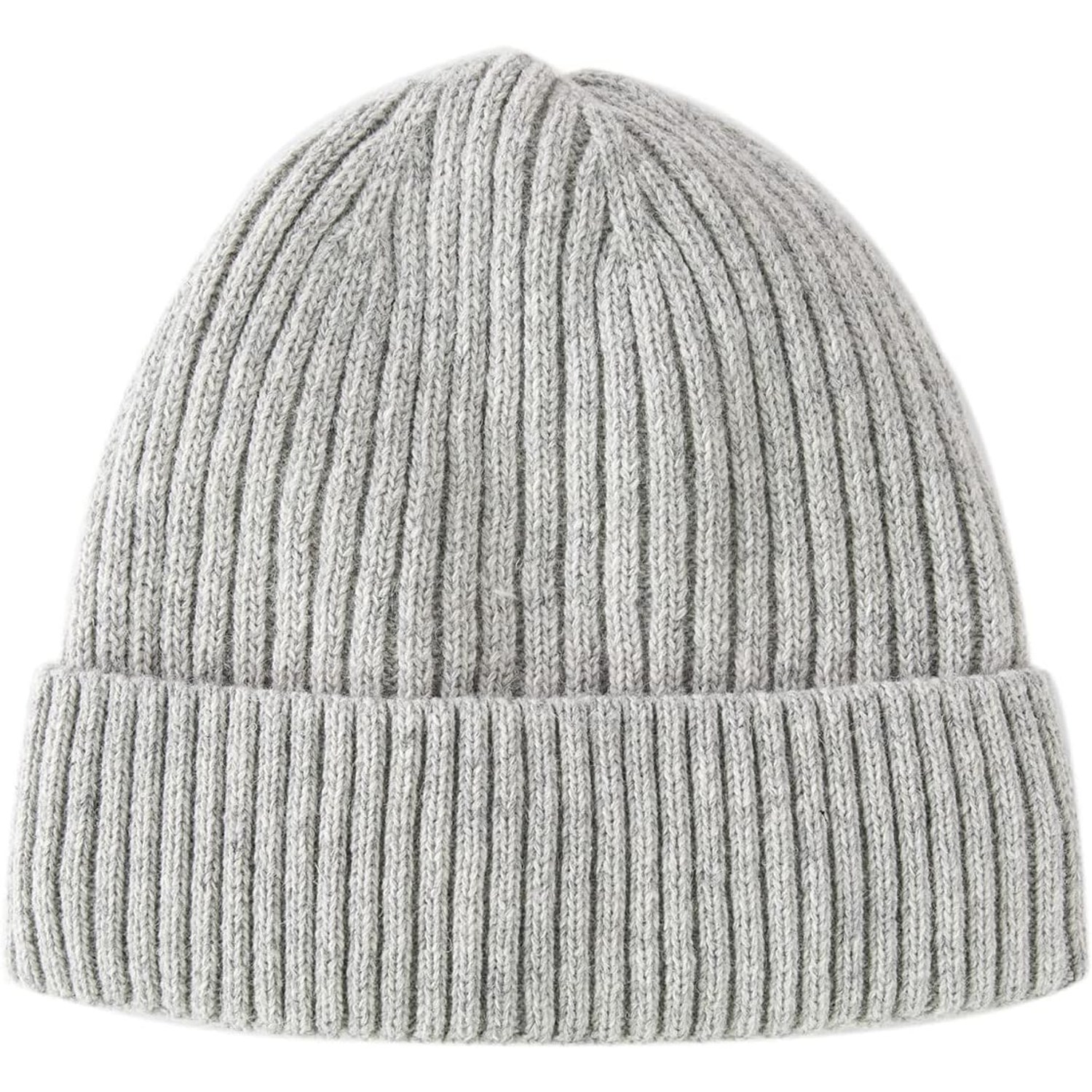
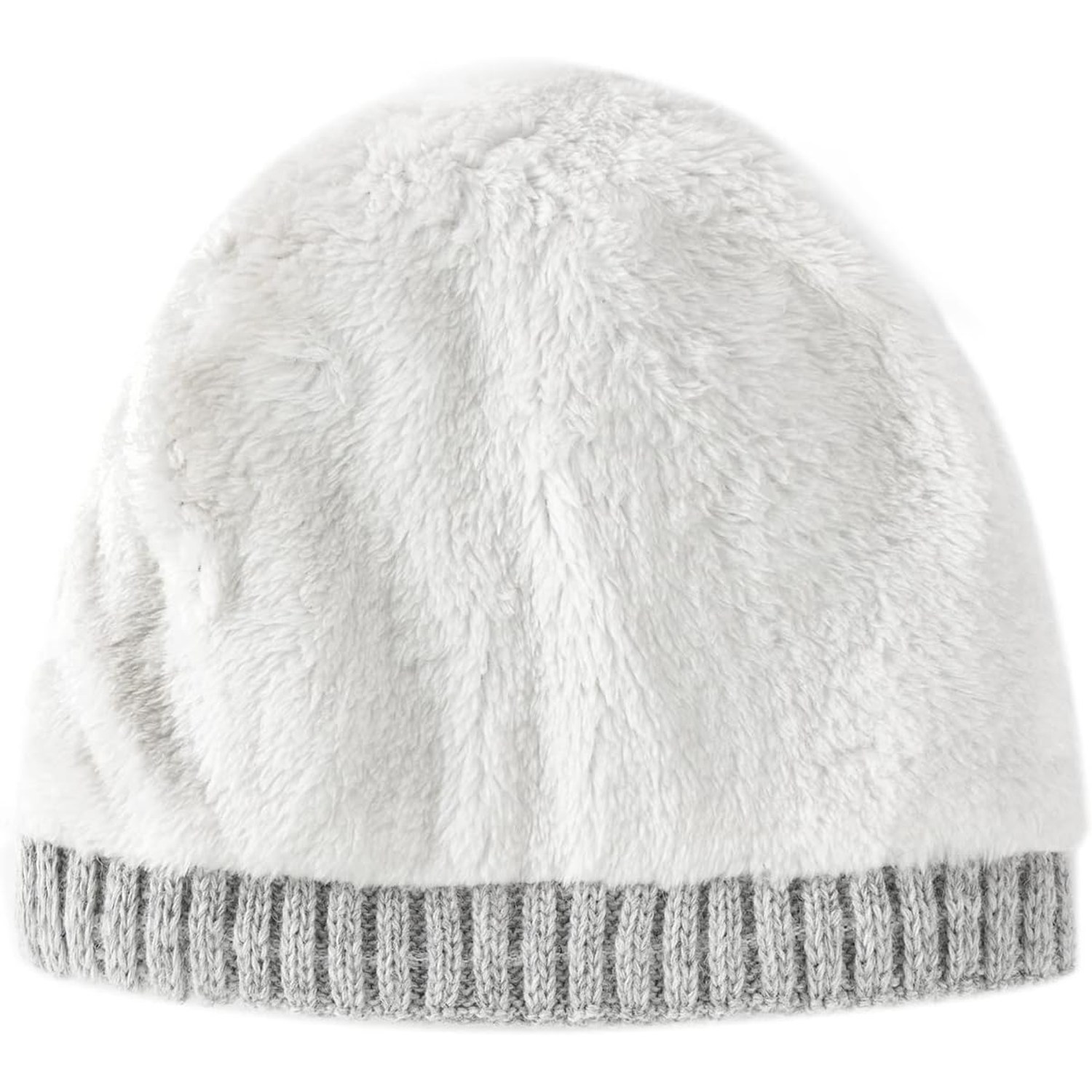
The beanie adds an inner fleece lining on top of that. The lining matters most at the band. That is the part of the hat that sits on your forehead and over your ears, which is where wind pressure hits hardest when you walk into it, and where a bare knit can feel a little rough after an hour. A smooth lining there changes how the hat feels for the whole wear.
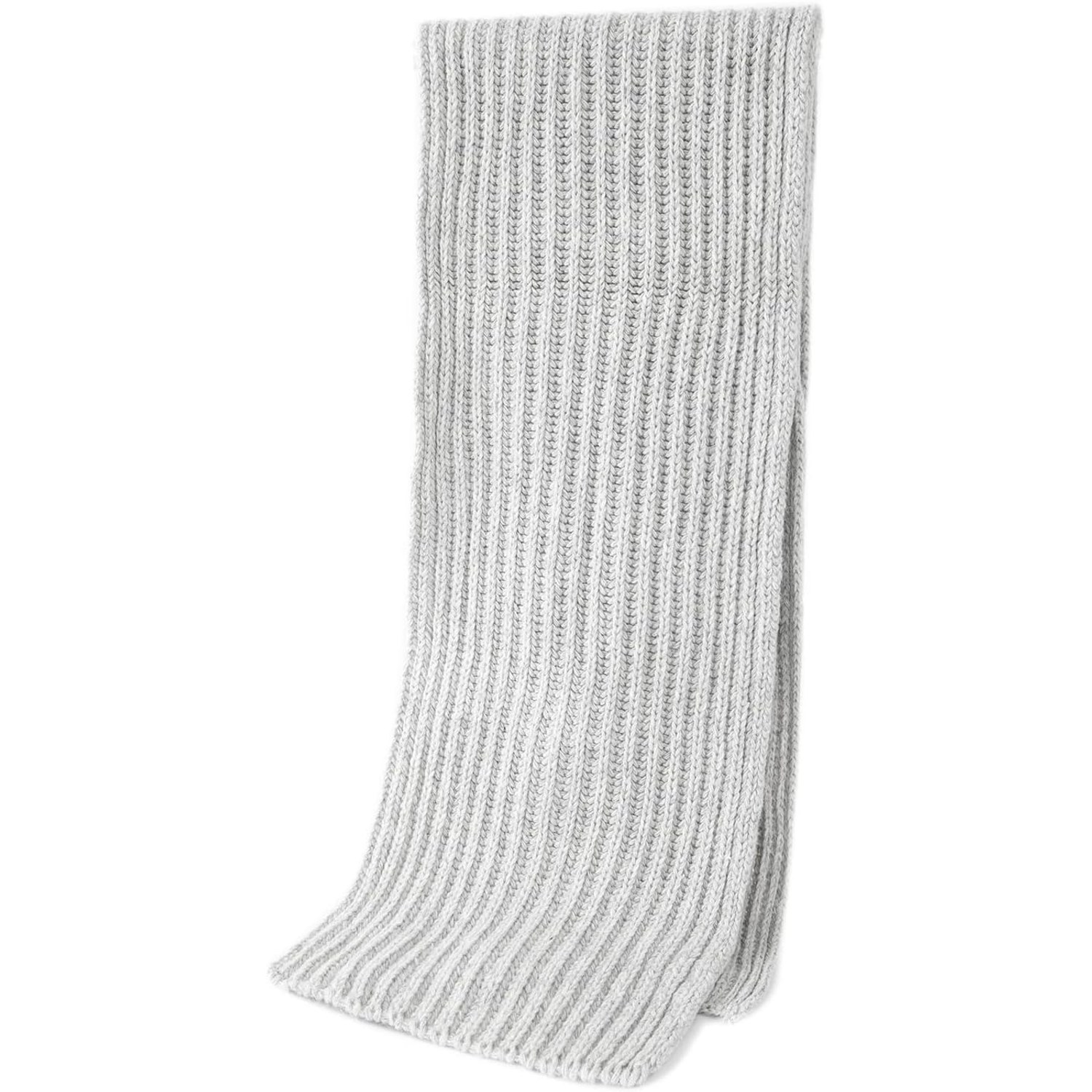
The scarf relies on the wool and the wrapping rather than a lining. At 70 inches long and 9 inches wide, it has enough material that doubling it around your neck gives you two layers of merino where you need them.
Who this suits
If you walk to work, wait at bus stops, take a dog out in the dark, or watch junior sport from the sidelines, a set like this earns its place quickly. Those are all situations where you are outside for twenty to forty minutes without moving fast enough to generate much heat.
It also suits anyone who wants one decision instead of two. The best winter accessory set is often just the one you do not have to think about, because the pieces already match and both live in the same bag.
It is listed as unisex, and the cable knit styling is deliberately neutral. The one-size stretch fit covers head circumferences from roughly 21 to 26 inches, which takes in most adults. If your head sits well outside that range, a fitted size will serve you better than a stretch one.
Where it is less ideal is under a close-fitting helmet. A lined cable knit beanie has real bulk, and helmets are not designed with that in mind. For cycling or skiing under a helmet, a thin liner is the right tool. Wear this one before and after instead.
How to choose between sets
A few things separate a set you keep for years from one you give up on by February.
Check the ear coverage. A beanie that stops above the ears looks fine and does nothing useful. You want one that pulls down past the ear tips, which this one does thanks to the stretch body.
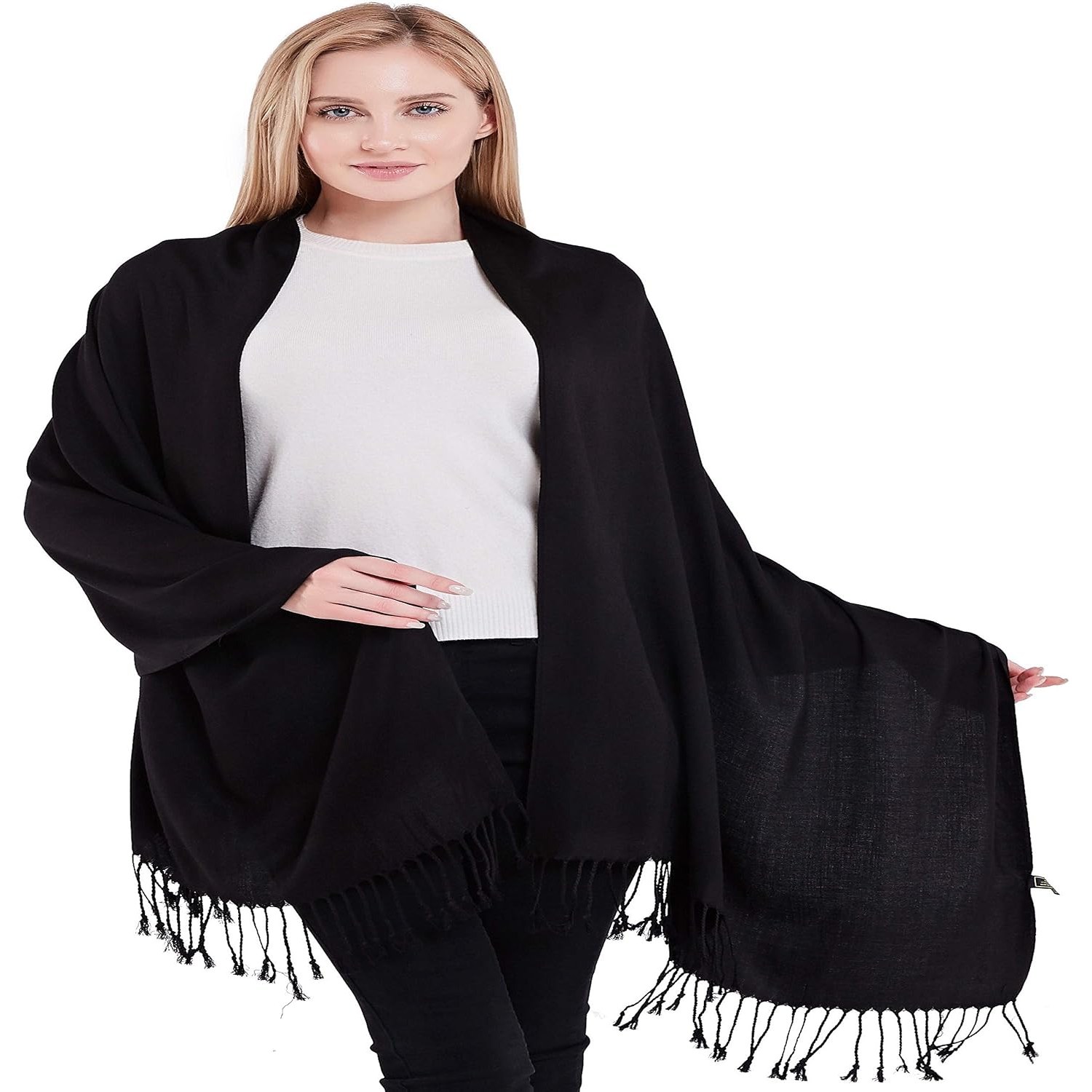
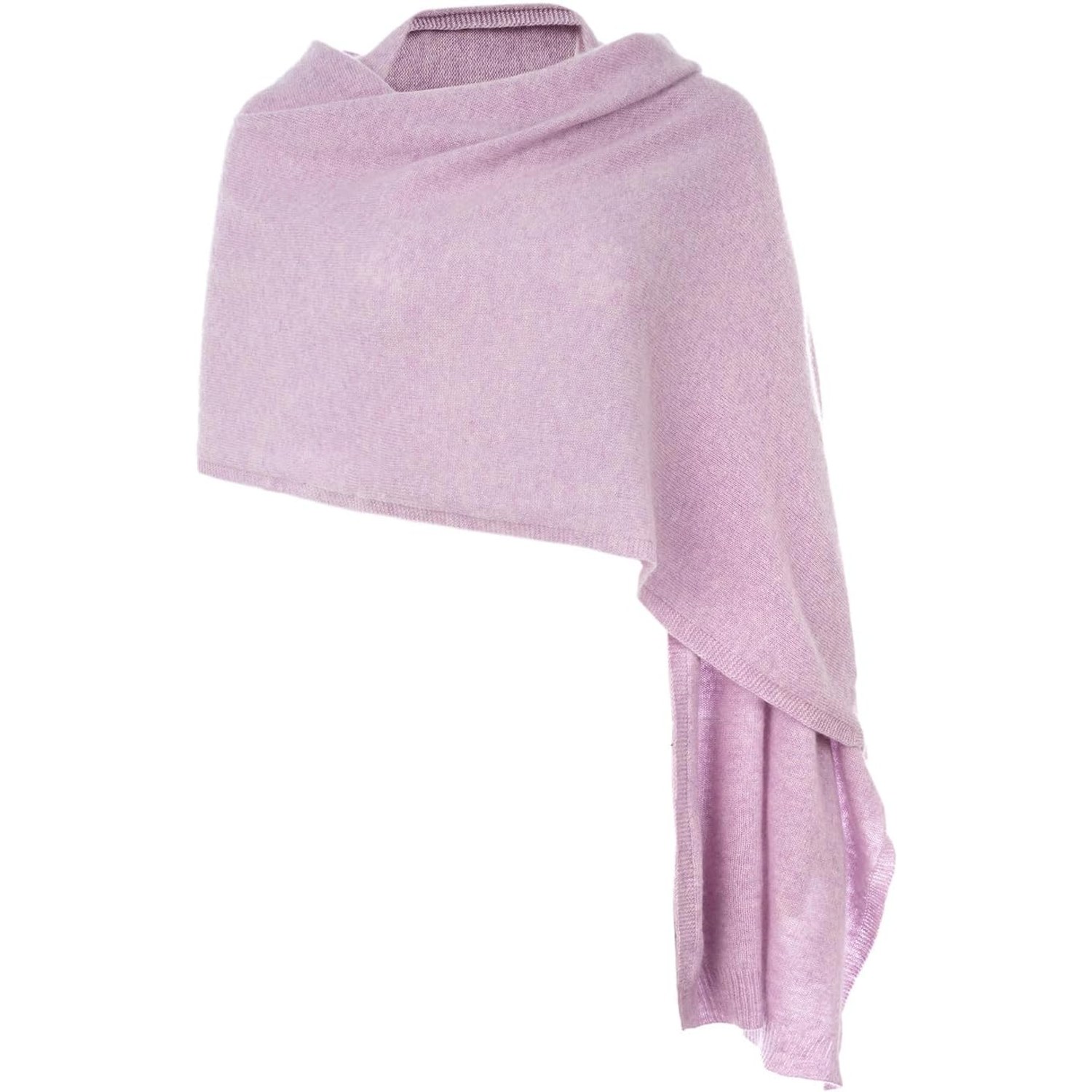
Check the scarf length. Anything under about 60 inches limits you to a single loop. At 70 inches you can go flat, single loop, or double loop with the ends tucked in, so the same scarf handles a mild morning and a genuinely cold one.
Check whether the hat is lined. An unlined knit cap is cheaper and lighter, but you feel the difference on a windy day. The lining is a small detail that changes the hat from acceptable to comfortable.
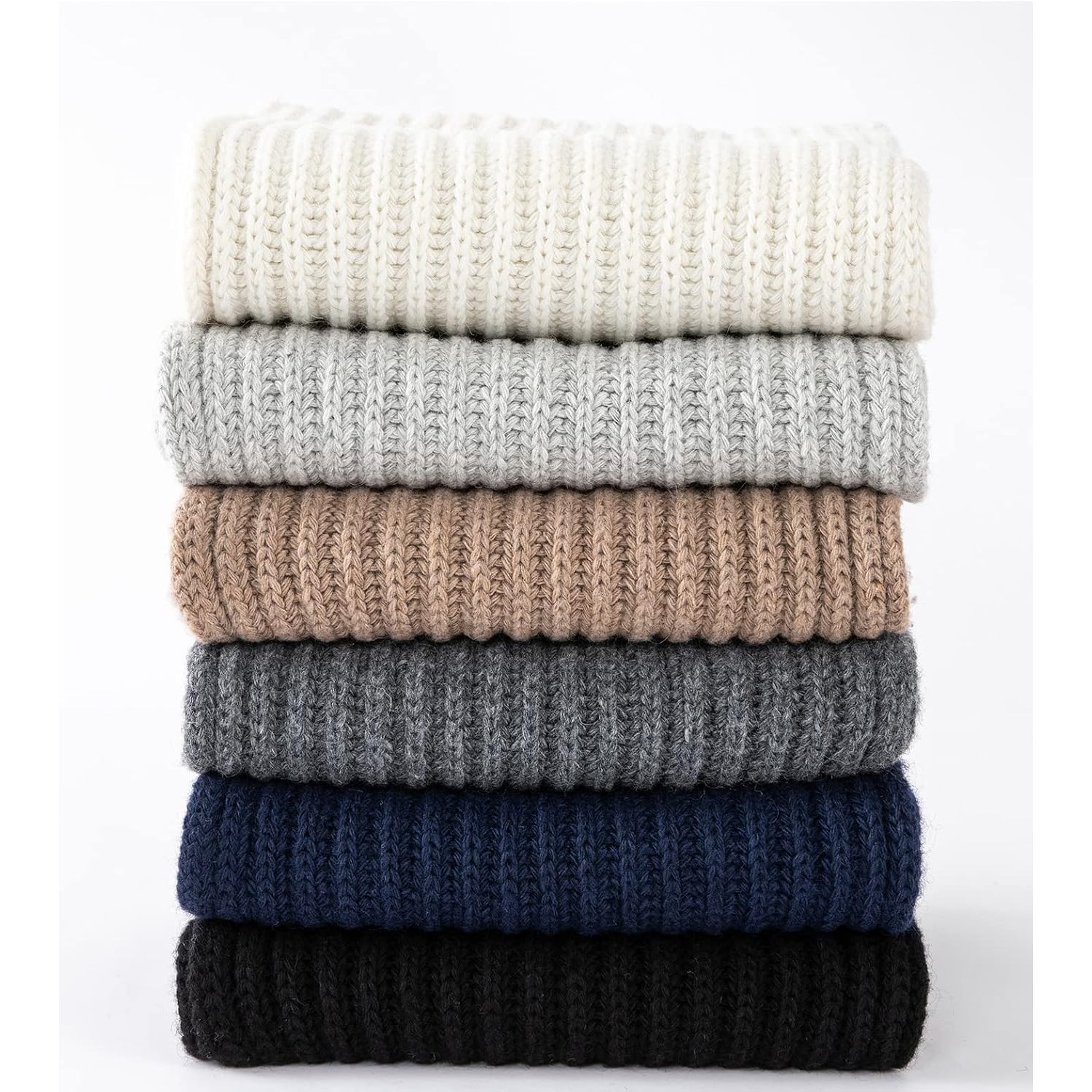
Think about colour against your coat. Neutral greys, blacks and creams go with almost everything, which is why they are the most common choice for the best wool accessories for men and women alike. Brighter colours look great but tie you to a narrower wardrobe.
Looking after wool
Wool is easy to live with as long as you do not treat it like cotton.
Wash it rarely. Wool naturally resists odour, so airing a beanie out overnight usually does the job. Save actual washing for when it is visibly soiled.
When you do wash, dry clean is the recommended route. If you are doing it yourself, hand wash only, in cool water, with a detergent made for wool. Hot water and standard detergent are what cause shrinking and felting, and once wool felts it does not come back.
Never put it in the tumble dryer. Press the water out gently rather than wringing, reshape the pieces with your hands, then lay them flat on a towel somewhere with air movement. Avoid radiators and direct sun. Hanging wet wool pulls it long and thin.
Do not bleach and do not iron. If the knit looks a bit flat, steam from a distance or just let it relax on its own.
For small surface pills where the scarf rubs the coat collar, a wool comb or a cheap fabric shaver takes them off in a minute. That is normal friction wear on any knit, not a defect.
Over summer, clean the set, fold it, and put it back in the zip-close bag it came in. A sealed bag keeps moths and dust out far better than an open drawer. Store it somewhere dry.
Giving it as a present
Winter accessories are one of the easier gifts to get right, because sizing is forgiving. A one-size stretch beanie does not need you to know someone's measurements, and a scarf fits everyone by definition. That removes the main risk with clothing gifts.
The zip-close bag also means it presents well without extra work. If you want to dress it up you can, but you do not have to. For parents, in-laws, teachers or anyone you do not know well enough to guess a shirt size, the best merino beanie and scarf set is a reliable answer.
The short version
A hat covers your head. A scarf closes the collar gap. Bought together in merino wool, they match and they both go in the same bag at the end of the season.
This set gives you a fleece-lined cable knit beanie in a one-size stretch fit for heads between 21 and 26 inches, plus a 70 inch scarf wide enough to pull over your chin. Hand wash or dry clean, dry it flat, store it sealed, and it should see you through many winters.