
The complete guide
How To Choose And Care For A Cashmere Pashmina Scarf
The scarf problem nobody talks about
Most people own a scarf they never wear. It lives in a drawer because it itches, or because it is so thick it makes a coat collar impossible to close, or because it is the kind of acrylic that goes limp and shiny after one wash. The scarf is not the problem. The fibre is.
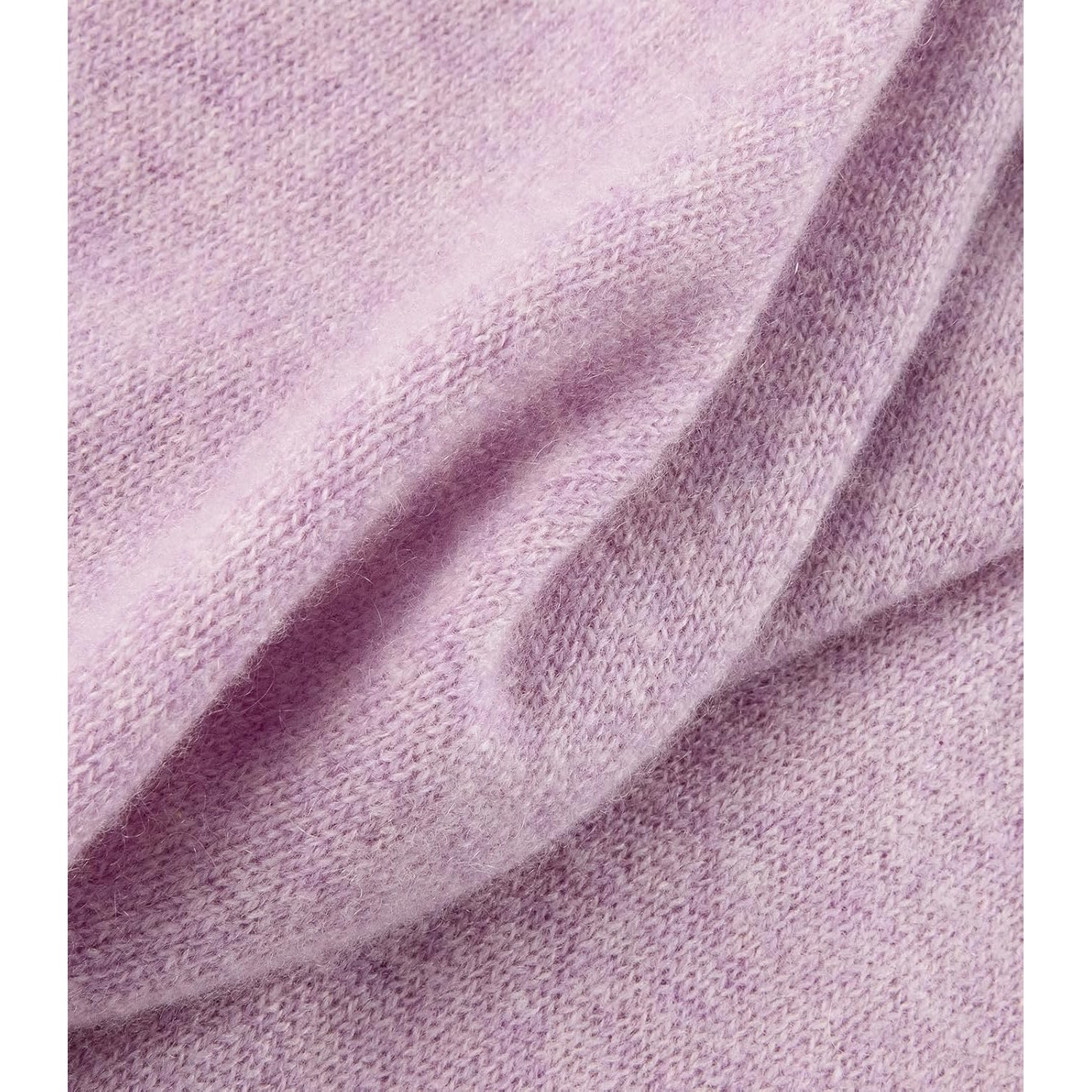
Cashmere fixes this for a simple physical reason. The individual fibres are much finer than standard sheep's wool, so when they sit against your neck they bend rather than poke. That is the whole mechanism behind the softness. It is not marketing, it is fibre diameter. And because those fine fibres trap air so well, you get genuine warmth from something you can fold into a jacket pocket.
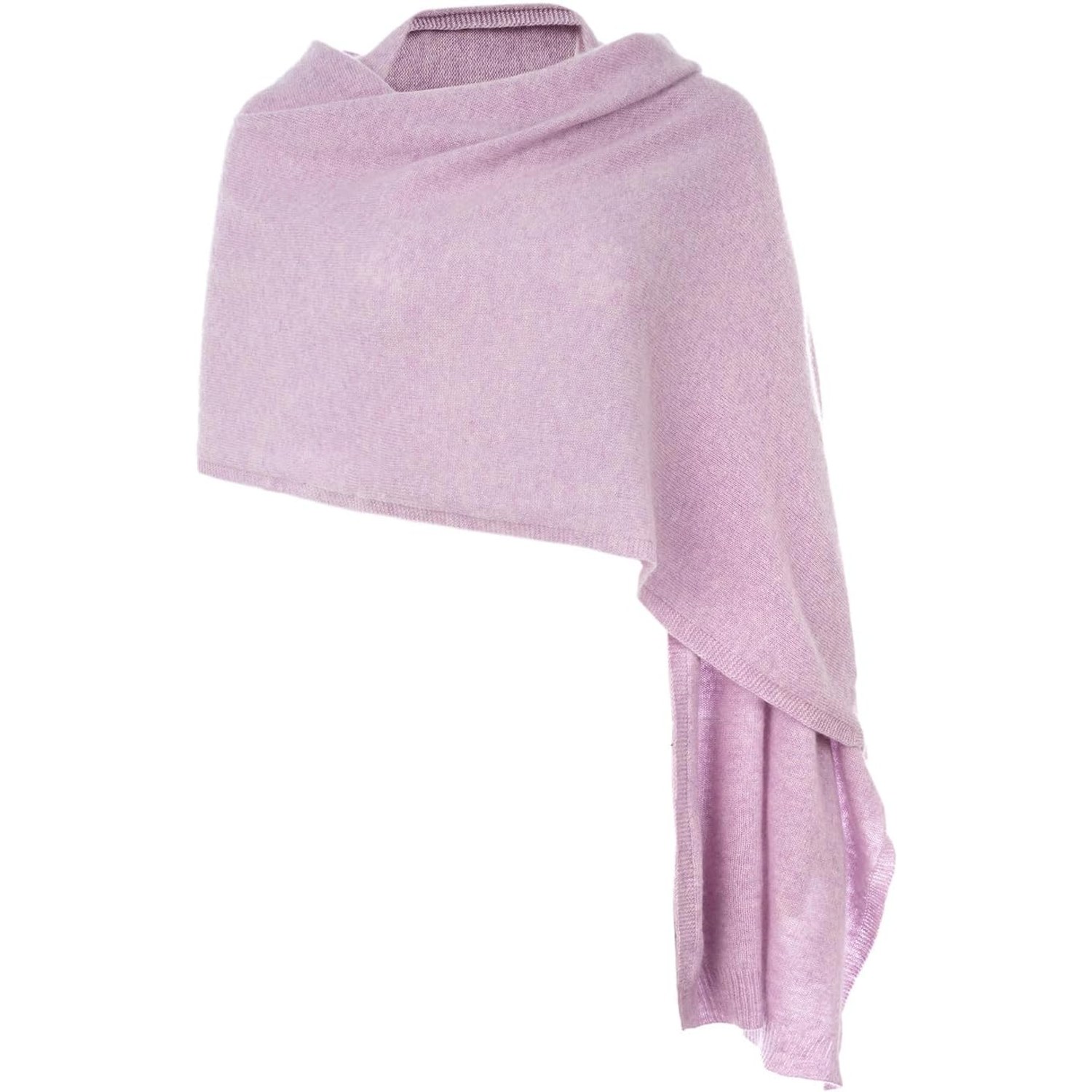
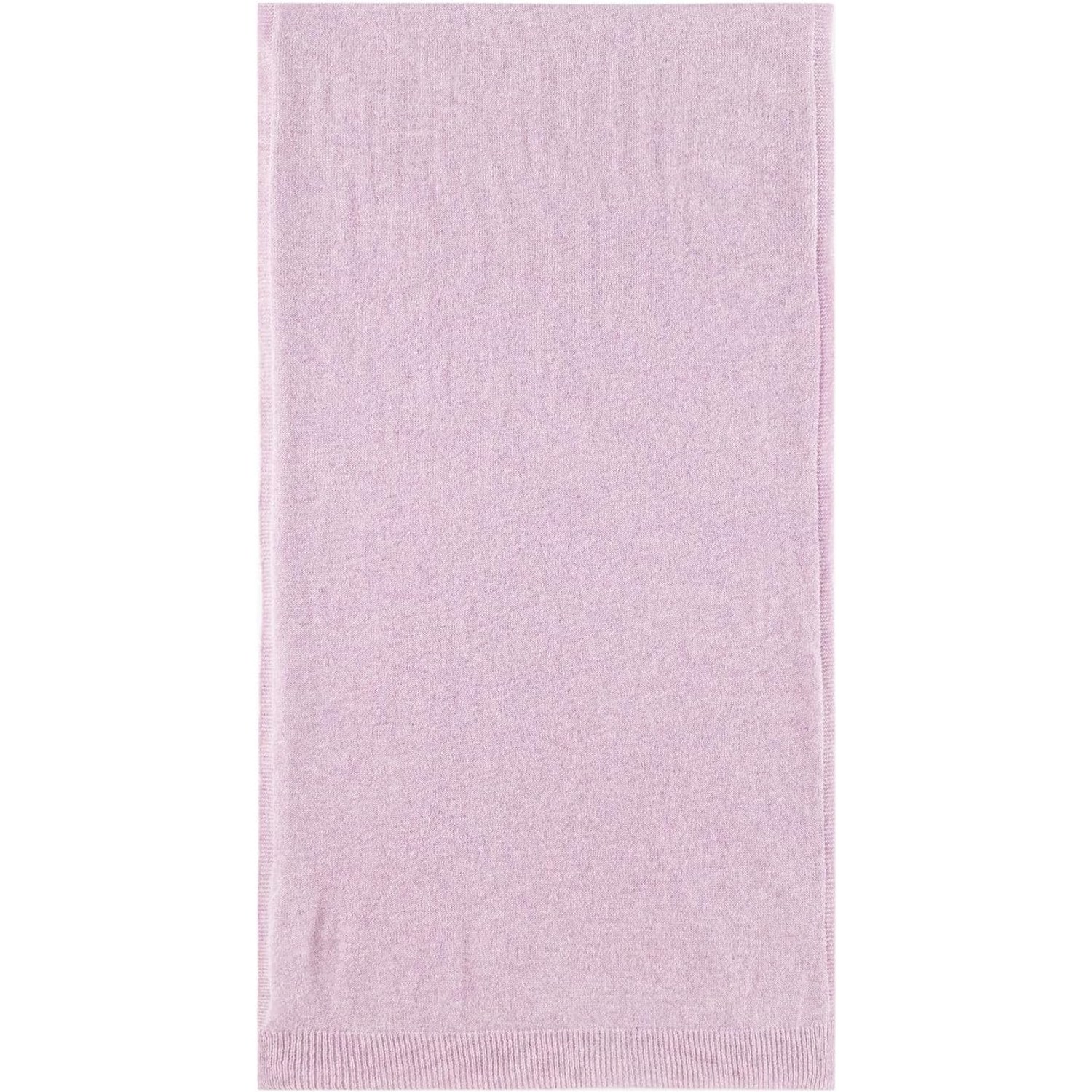
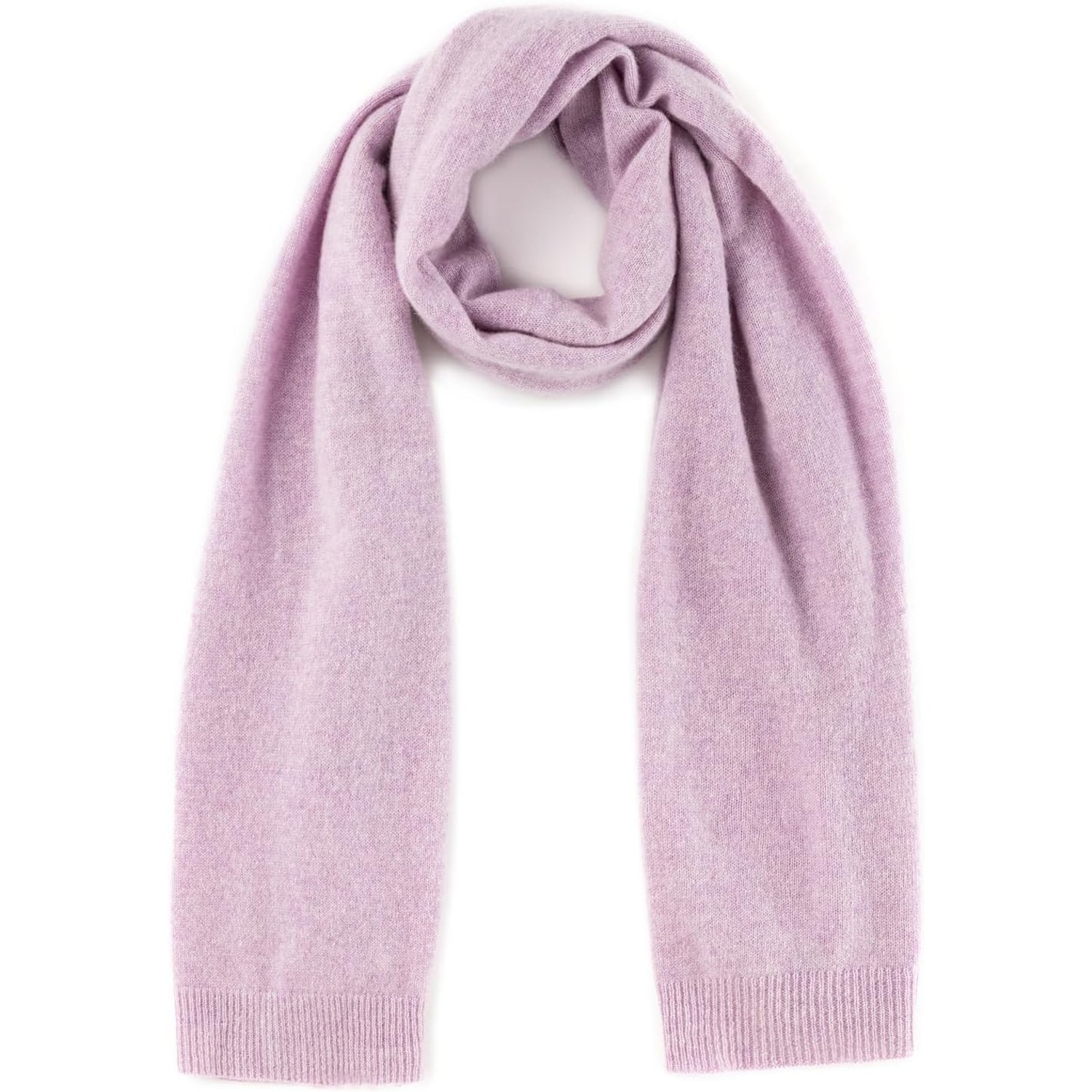
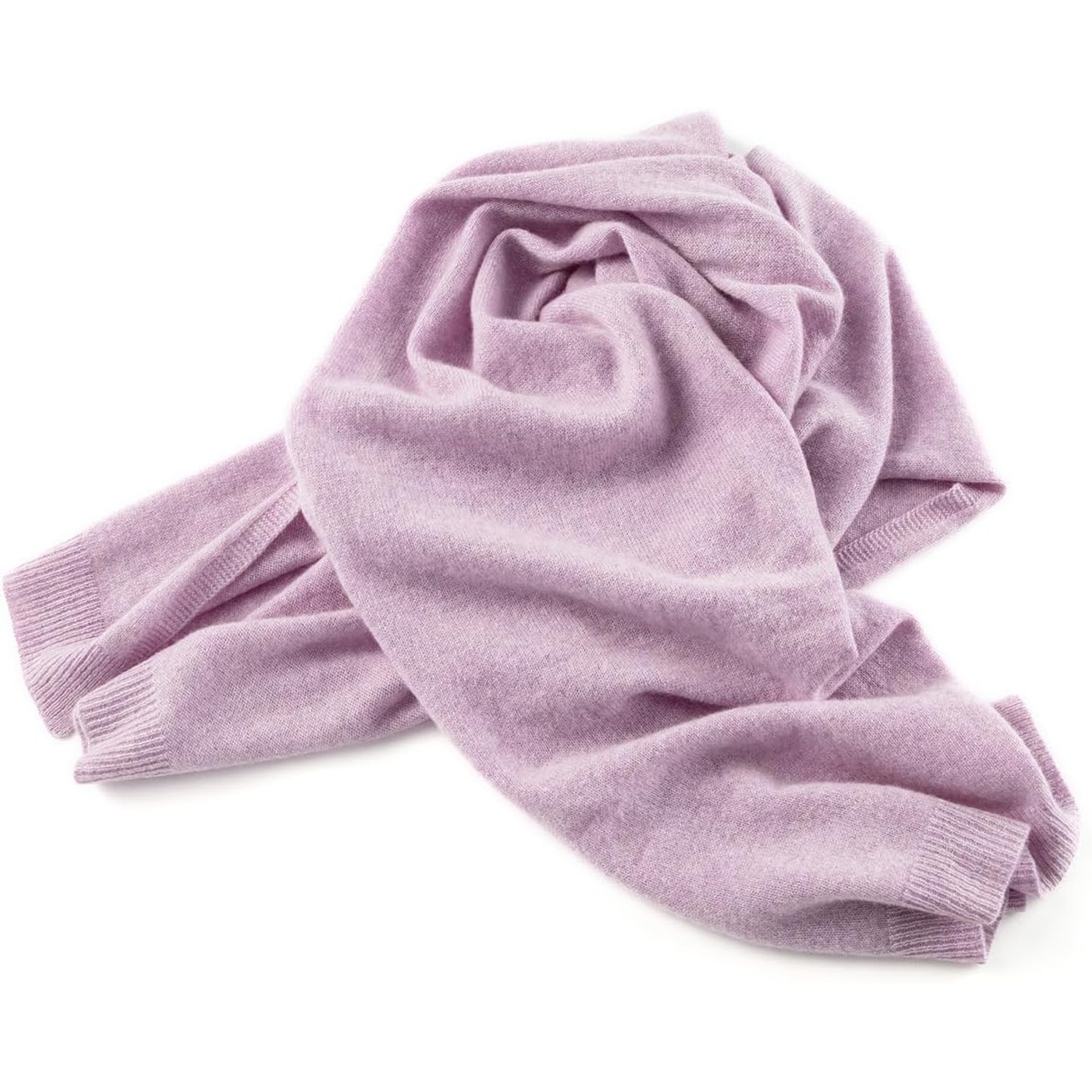
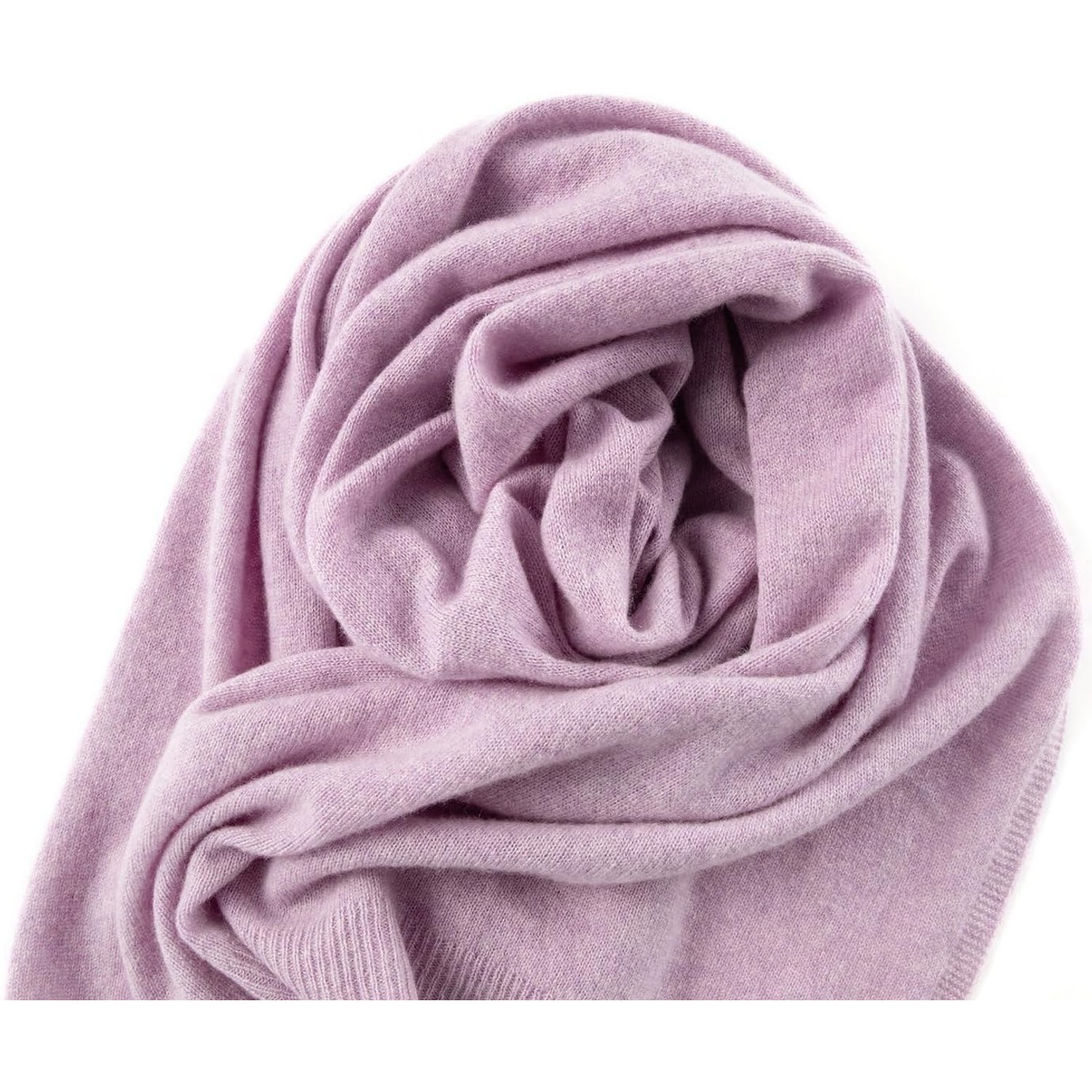
A knitted cashmere pashmina scarf takes that fibre and puts it into a structure that drapes. Knitting creates loops, loops create stretch, and stretch means the scarf settles into whatever shape you put it in. You can loop it twice and it stays looped. You can open it across the shoulders and it follows your back instead of standing off it like a board.
How a knitted wrap behaves differently
There is a real difference between a woven scarf and a knitted one, and it changes how you wear the thing.
A woven scarf is made from threads crossing at right angles. It holds its shape, has crisp edges, and tends to look more formal. It also does not stretch, so a knot in a woven scarf sits as a firm lump.
A knit is made from interlocking loops. It gives in both directions. Knots flatten out, folds soften, and the fabric has a bit of loft to it that traps extra air. The trade-off is that knits relax with wear and can pill where they rub. Both of those are manageable, and we cover them further down.
For a wrap you want to use in more than one way, the knit usually wins. It handles the loop-around-the-neck school run and the drape-over-the-dress dinner equally well.
Who gets the most out of this
A few kinds of people tend to wear a piece like this constantly rather than occasionally.
People who commute get enormous use out of it. Cold platform, warm train, cold street, overheated office. A lightweight warm scarf handles that whole sequence because you can take it off and stuff it in a bag without it taking over the bag.
People who travel pack cashmere for the same reason. It weighs almost nothing, it works as a blanket on a plane, and it can dress up an otherwise plain travel outfit when you step off at the other end.
People who feel the cold indoors are the third group. Air conditioning in summer and under-heated offices in winter both create the same problem, and a cashmere wrap for women is a lot more presentable in a meeting than a fleece.
And then there are occasion buyers. A soft knitted wrap over a sleeveless dress is a standard solution for weddings and evening events, because it keeps your shoulders warm without crushing the dress or adding bulk at the waist.
What to look for when you compare scarves
If you are weighing this up against other options, here is what actually matters.
Fibre content comes first. Cashmere blends are common and perfectly good, but a blend behaves differently from pure cashmere. Blends with nylon or silk resist pilling better and cost less. Pure cashmere is softer and lighter. Neither is wrong, they are just different trade-offs.
Width is the next thing. A narrow scarf can only be a scarf. A wide pashmina-style piece can be a scarf, a wrap, a shawl, or a travel blanket. Width is what makes a piece versatile.
Then there is the knit density. A loose, airy knit looks relaxed and breathes well but gives less wind protection. A tighter knit is warmer and holds its shape longer. For year-round use, something in the middle tends to get worn most.
Finally, think about colour honestly. Bright colours are lovely and they also date faster and clash more often. A neutral gets worn three times as much. If this is your first cashmere piece, a neutral is the safer buy. If it is your third, go for the colour you actually want.
Living with cashmere without ruining it
This is where most people go wrong, and the fixes are not complicated.
Do not wash it often. Cashmere does not hold odour the way synthetics do, and every wash is a small amount of wear. Airing it overnight is usually enough. Two or three washes a season is plenty for most people.
When you do wash it, do it by hand. Cool water, a small amount of wool-safe detergent, and gentle squeezing rather than rubbing. The thing that destroys cashmere is agitation combined with heat, which is precisely what a washing machine provides. Rinse in water the same temperature as the wash, because sudden temperature changes also encourage felting.
Dry it flat. Press the water out inside a towel, lay the scarf on a second dry towel, and push it gently back into its original shape while it is still damp. This is the step that keeps a knit from slowly growing longer and narrower over the years. Never hang a wet knit, and never put it near a radiator.
Expect some pilling. Those little bobbles form where the scarf rubs against a coat, a bag strap, or a seatbelt. They are a feature of knitted cashmere, not a defect. A cashmere comb or a cheap fabric shaver removes them in a couple of minutes and the surface goes back to smooth. Most cashmere pills heavily for the first few wears and then settles down.
Store it properly between seasons. Clean it first, because moths are after the traces of skin and food on the fibre rather than the fibre itself. Fold it, do not hang it, and put it somewhere sealed with cedar or lavender. The gift box it arrives in does this job perfectly well.
Styling without overthinking it
Four ways cover almost everything.
The single loop. Fold it in half, put it round your neck, pull the loose ends through the loop. Neat, quick, stays put under a coat.
The double wrap. Full length around the neck twice, ends hanging. Warmest option, good for genuinely cold days.
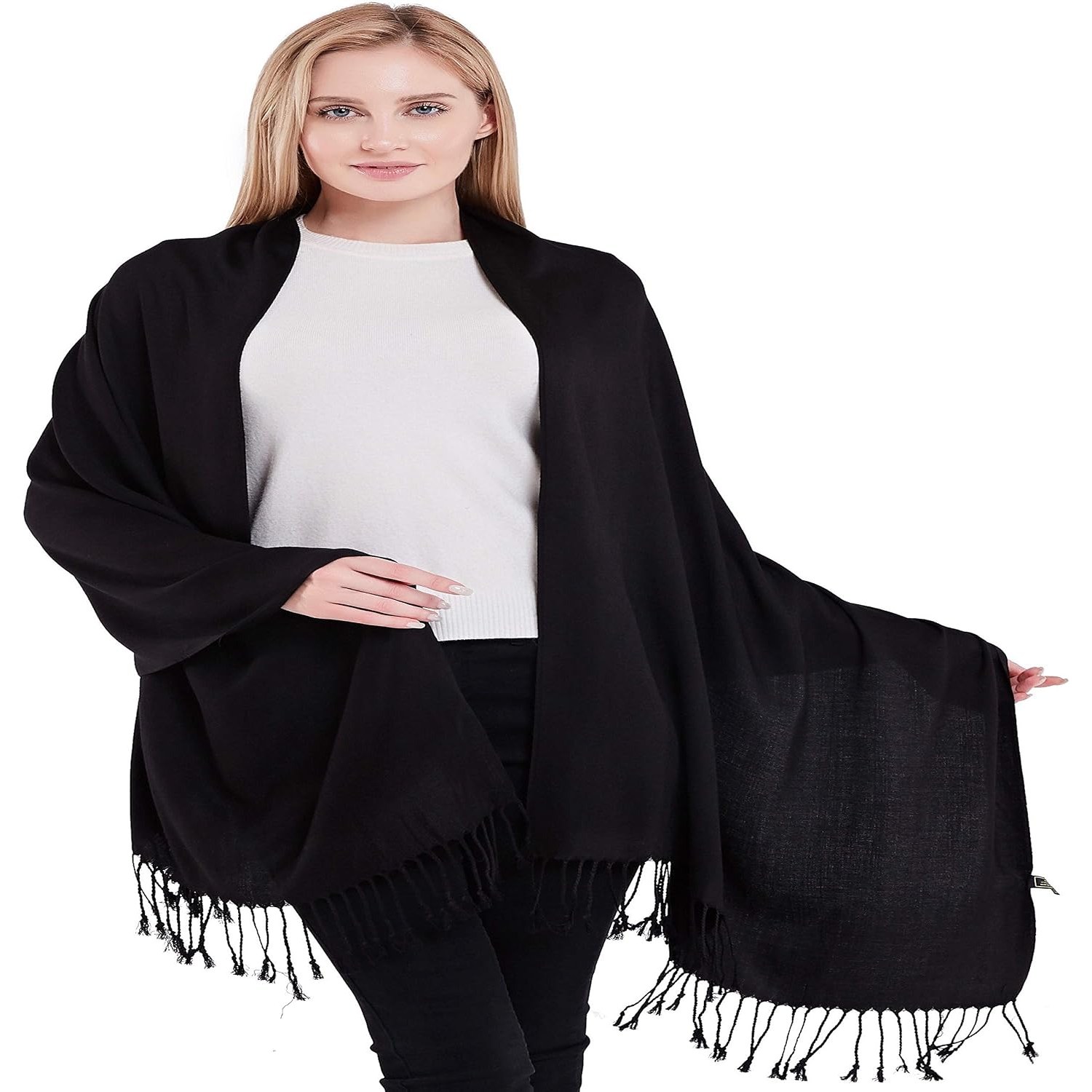
The open drape. Over the shoulders, ends hanging at the front, nothing tied. This is how you wear it over a dress or a blazer.
The shoulder wrap. Open it out, pull it round your back, and either cross the ends at the front or pin them. This is the one for weddings and cold restaurants.
Because the knit has stretch, none of these create a hard lump where a woven scarf would. Keep it simple. A good scarf does not need a complicated knot to look deliberate.
On buying it as a gift
Cashmere is one of the few clothing gifts with no sizing risk. There is nothing to measure and nothing to guess. That alone puts it ahead of most things you could buy somebody.
It also arrives in a gift box, which removes the wrapping problem. If you need a card tucked in or the paperwork kept out of the parcel, say so in your order notes and we will handle it.
The one thing worth thinking about is colour, since that is the only genuinely personal part. Look at what the person already wears. If their coats are black and grey, a neutral will be worn. If they lean colourful, go colourful.
The short version
Cashmere feels good for a measurable reason, the fibre is finer than wool and sits softly against skin. Knitting that fibre gives you a wrap that drapes properly and works as both an everyday scarf and an evening piece.
Wash it rarely, wash it by hand, dry it flat, comb off the pills, and store it folded. Do that and a piece like this stays soft for many years rather than a single season.
If you are not sure whether it suits what you have in mind, ask us. We would rather talk you into the right thing than sell you the wrong one.