Quiet Luxury Company
Company
Shop By Category
T&Cs
Shop Online
  • Clear materials and product specifications
  • Free tracked Australia-wide delivery over $150
  • 14-day returns

Baby Alpaca Throw Blanket | Undyed Pure Alpaca Wool Blanket | Wool Throws

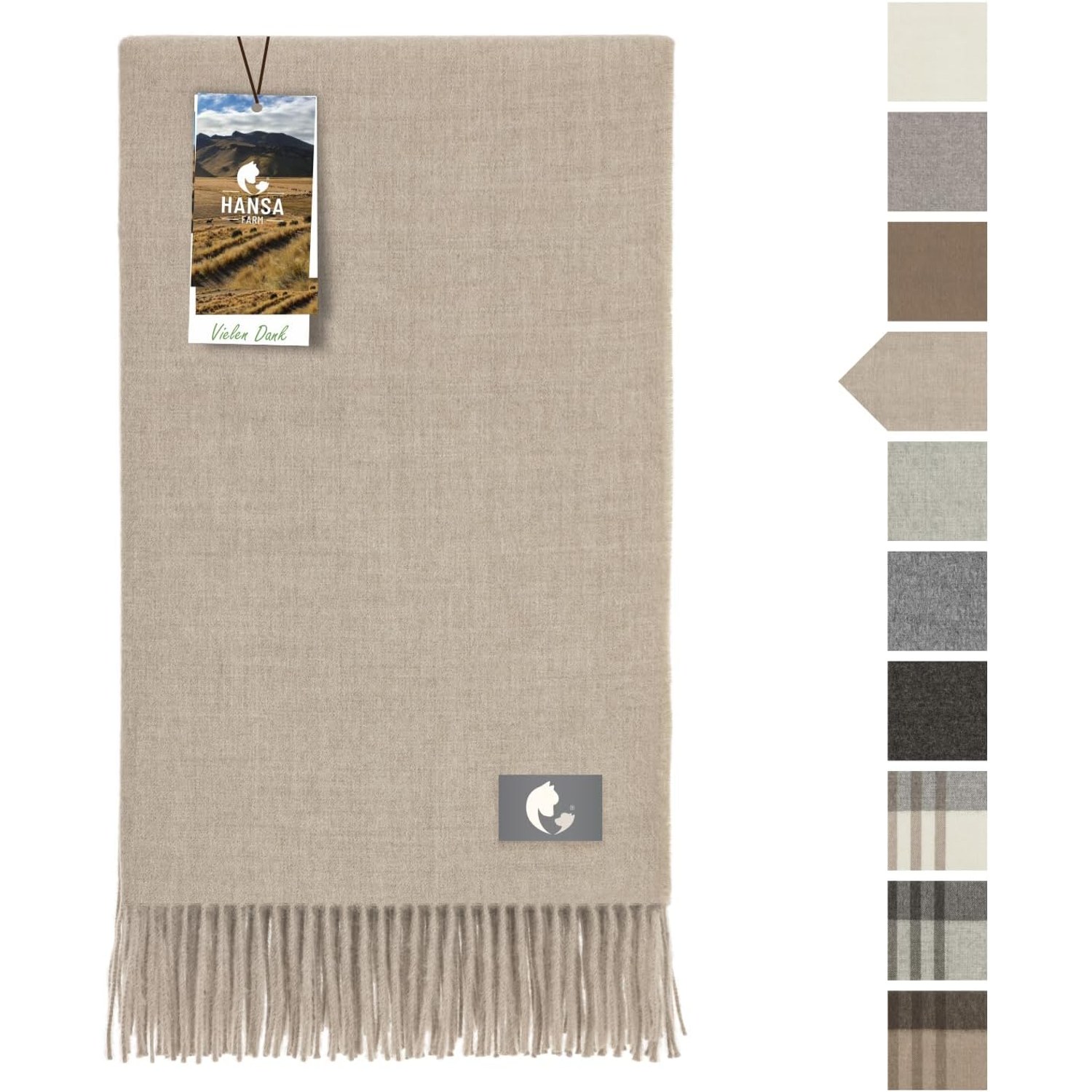
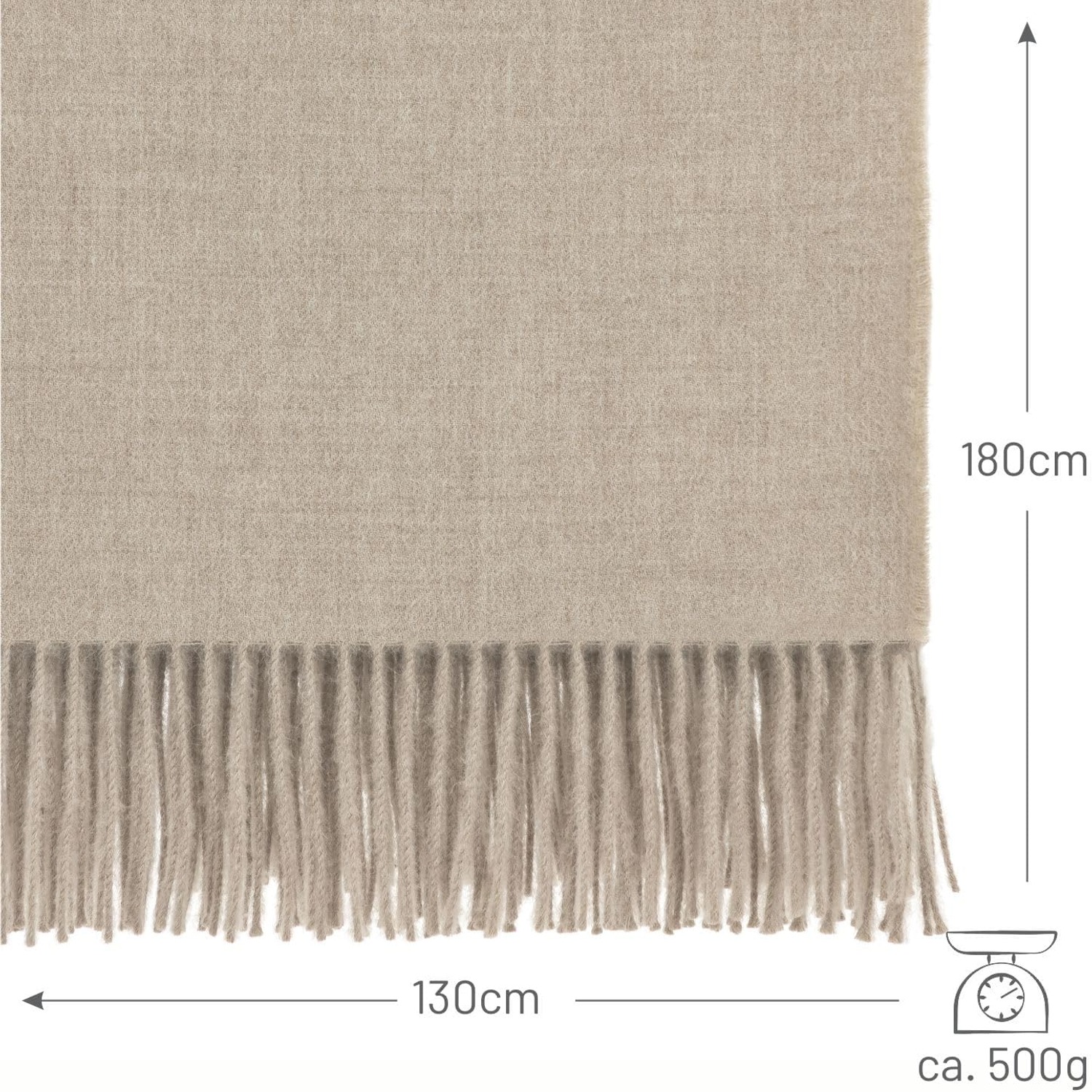
Baby Alpaca Throw Blanket 200 x 130 cm

$649.99 $779.99 Save $130
  • Light But Warm
  • Undyed Fibre
  • Smooth On Skin
  • Sofa Or Bed

Price: $649.99 $779.99

  • Free tracked Australia-wide delivery on orders $150+, otherwise a flat $15
  • Pay by card or PayPal, handled by the payment provider
  • 14 days to change your mind, plus your statutory rights
Product specifications
Product TypeBaby alpaca throw blanket
Size200 x 130 cm
FibreBaby alpaca wool, undyed
BrandHANSA-FARM
CategoryWool throws
ConditionNew
CareAir regularly, spot clean, hand wash cool or dry clean
Shipping & returns

Tracked delivery anywhere in Australia. It is free on orders of $150 or more, and a flat $15 below that.

If it is not right for you, send it back within 14 days of delivery in resaleable condition and we refund the price you paid, including standard delivery. That is a voluntary policy we offer on top of your legal rights. You cover the cost of returning it unless the item is faulty.

If it arrives faulty, damaged or not as described, we put it right at no cost to you under the Australian Consumer Law and the Competition and Consumer Act 2010, return postage included.

Shipping details · Refunds and returns

Light But WarmA big 200 x 130 cm throw that carries warmth without heavy bulk.
Undyed FibreNatural alpaca colour, no dye step, nothing added for shade.
Smooth On SkinBaby alpaca fibre feels soft instead of prickly against bare arms.
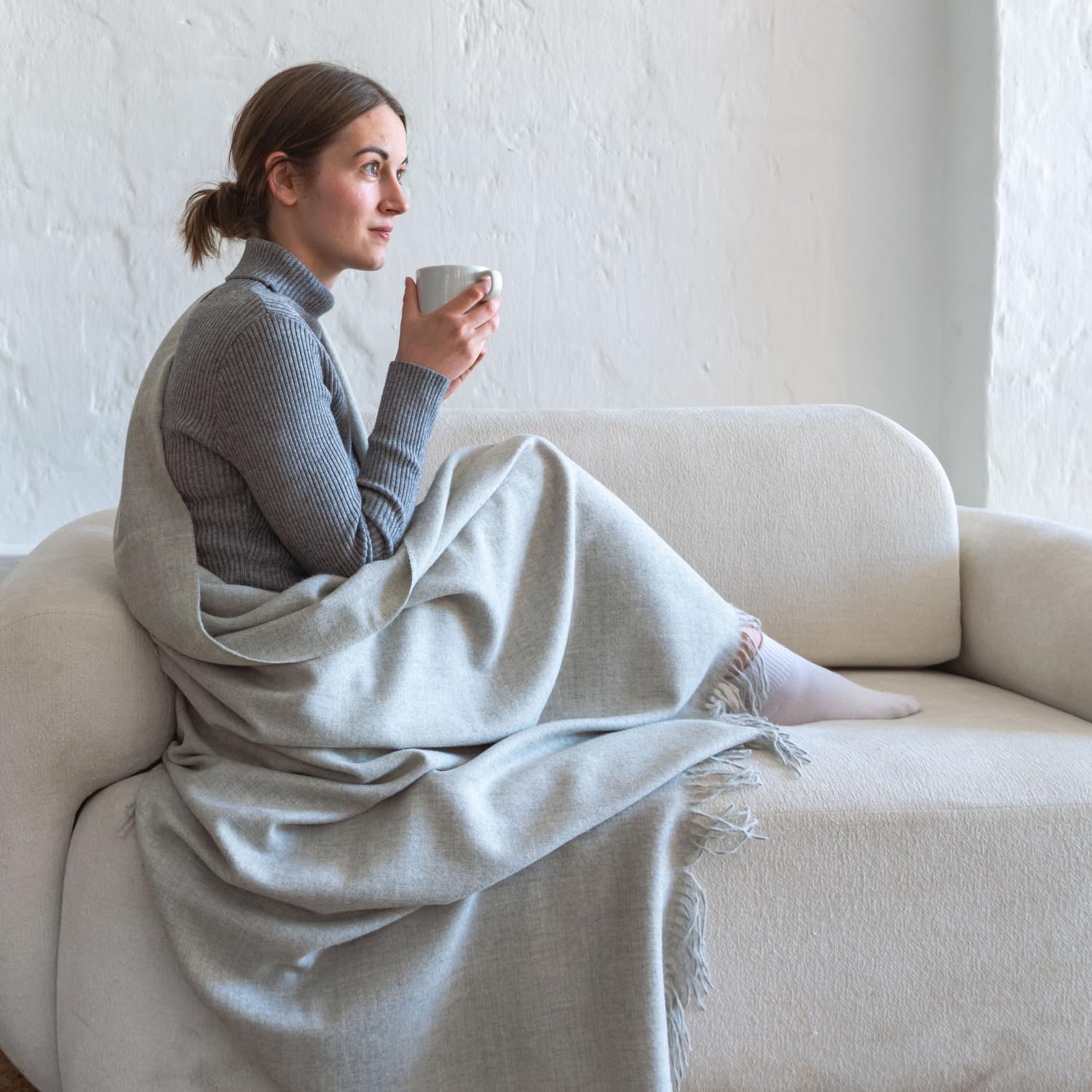
Sofa Or BedLong enough to drape a double bed foot or cover two on the couch.

Wrap up in a baby alpaca throw blanket that feels soft from the very first night and keeps its warmth year after year.

Woven from undyed baby alpaca fibre at a generous 200 x 130 cm, this lightweight throw gives you real warmth without weight, a smooth scratch-free surface, and a natural colour that suits any room.

This baby alpaca throw blanket measures 200 x 130 cm, which is generous enough to share across a sofa or lay across the foot of a bed.

Baby alpaca fibre is finer than standard alpaca, so the surface feels smooth against skin rather than scratchy.

The yarn is undyed, meaning the colour you see is the natural shade of the fleece with no colouring step involved.

Alpaca holds warmth well for its weight, so you get cosy cover without the heavy, pinned-down feeling of a thick wool blanket.

As one of the simpler wool throws to live with, it suits year-round use, from a light summer cover to a winter layer over a duvet.

Baby Alpaca Throw Blanket 200 x 130 cm

A good throw earns its place by being the one you reach for without thinking. That is the job this baby alpaca throw blanket is built for. At 200 x 130 cm it is long enough to cover you properly when you stretch out on the sofa, and wide enough that two people are not quietly tugging at the edges. It also folds down neatly across the end of a bed when you are not using it, which is where most throws spend their daylight hours.

Baby Alpaca Throw Blanket 200 x 130 cm

Baby alpaca refers to fibre grade rather than the age of the animal. It is the finer, softer fleece sorted out of the clip, and that grading is what makes the difference on your skin. Coarser wool has thicker fibres that stand up and bend against the surface of your arm, which is the prickle people complain about. Finer fibre lies flatter and reads as smooth. If wool blankets have let you down in the past because of itch, this is the category worth trying before you give up on natural fibre.

The yarn here is undyed, so the colour is whatever the fleece was. That matters for two reasons. First, there is no dye step, which keeps the processing simple. Second, natural alpaca tones sit easily in almost any room because they are muted and warm rather than loud. A throw in a natural shade does not fight with your sofa fabric, your rug, or the bedding you already own, and it does not look dated when you repaint.

Warmth without weight is the practical reason people choose alpaca over other wool throws. The fibre traps air efficiently, so a lighter blanket can still keep you comfortable. That makes it easier to use across more of the year. In cooler months it layers over a duvet or under a heavier quilt. In milder weather it works on its own as a light cover, because it does not trap heat the way a thick synthetic fleece does. It is also easy to pack for a trip or keep in the car.

Looking after it is mostly about restraint. Alpaca does not need frequent washing, and over-washing is what shortens the life of natural fibre blankets. Shake it out, air it on a line in the shade, and spot clean when something lands on it. When a proper clean is due, hand wash cool with a wool wash or hand it to a dry cleaner who knows wool. Dry it flat, keep it out of the sun, and it will stay in good shape for a long stretch.

Not sure yet? That is fine.

Fibre, weight and colour are hard to judge from a photograph, and a piece has to feel right in the hand. If it is not right for you, send it back within 14 days of delivery in resaleable condition and we refund the price you paid, including standard delivery. That is on top of your Australian Consumer Law rights if anything arrives faulty.

If it turns up faulty, damaged or not as described, that is on us. The Australian Consumer Law and the Competition and Consumer Act 2010 covers you, and we pay the return postage. Read the full detail on our refunds and returns page, or ask us anything before you order.

Frequently Asked Questions

What exactly is a baby alpaca throw blanket?

It is a throw woven from the finer grade of alpaca fleece, sorted out of the clip for softness. The name describes fibre quality, not the age of the animal. That grading is what gives the blanket its smooth hand feel.

What size is this throw?

It measures 200 x 130 cm. That is a generous throw size, long enough to stretch out under on a sofa and wide enough to share. It also drapes neatly across the foot of a double or queen bed.

Is the blanket dyed?

No. The yarn is undyed, so the colour comes from the natural shade of the alpaca fleece itself. There is no colouring step in the finishing.

Will it feel itchy on bare skin?

Baby alpaca is a fine fibre, which is why it reads as smooth rather than prickly. Itch in wool usually comes from thicker fibres bending against skin. Most people who find standard wool scratchy get on fine with this grade.

Is alpaca warmer than sheep wool?

Alpaca is well regarded for holding warmth relative to its weight, which is why a lighter alpaca throw can feel as cosy as a heavier wool one. Exact comparison figures are not specified in this record. In practical terms, expect warmth without a heavy, pinned-down feel.

Can I use it in summer?

Yes. Because it is light for its warmth, it works as a single-layer cover on mild evenings. Natural fibre also breathes better than synthetic fleece, so it is less likely to feel clammy.

Does it work on a bed?

It does. At 200 x 130 cm it sits well across the foot of a double or queen bed as a decorative layer and extra warmth. For full top-to-toe coverage on a larger bed you would want a bedspread instead.

How many people can share it on a sofa?

Two adults can share it comfortably if you are sitting side by side. For one person stretched out, it covers you fully with room to tuck. It is one of the better large alpaca throw sizes for a shared couch.

What colour is it?

The specific colour is not listed in this record. Because the yarn is undyed, the shade will be a natural alpaca tone. Natural tones tend to be muted and warm, which makes them easy to match.

What does it weigh?

The weight is not specified in this record. Alpaca throws of this size are generally light for the warmth they give. If exact weight matters to you, ask us before ordering and we will check.

Where is it made?

Country of origin is not specified in this record. The brand listed is HANSA-FARM. We can follow up with the supplier if you need that confirmed before purchase.

Is it certified to any standard?

No certification details are confirmed in this record, so we will not claim any. If a certification matters for your purchase, contact us and we will check with the supplier before you commit.

How should I wash it?

Air it rather than wash it whenever you can, since alpaca resists odour well. Spot clean marks with cool water and a little wool-safe detergent. For a full clean, hand wash cool with a wool wash or use a dry cleaner familiar with wool.

Can it go in the washing machine?

We do not recommend it. Machine agitation and heat are what cause felting and shrinkage in fine wool. Hand washing cool or dry cleaning is the safer route for a natural fibre throw.

Can I tumble dry it?

No. Heat and tumbling will damage the fibre and can shrink the blanket. Press out water in a towel and dry it flat, away from direct sun and radiators.

Should I iron it?

There is no need. If it creases from storage, hang it in a steamy bathroom or air it on a line and the creases drop out. Avoid putting a hot iron on the fringes.

How do I store it in summer?

Fold it clean and keep it in a breathable cotton bag rather than sealed plastic, which traps moisture. A cedar block in the storage area helps deter moths. Air it for an hour before the first use of the season.

Will moths be a problem?

Any natural fibre can attract moths if it is stored dirty and left undisturbed for months. Store it clean, use cedar or lavender, and shake it out occasionally. Regular use is the best protection.

Does alpaca pill?

Fine natural fibres can produce a small amount of surface fuzz with friction, particularly in the first weeks. It settles down with normal use. A gentle shake and the occasional light brush keeps the surface tidy.

Will it shed fibres on my clothes?

A new natural fibre throw may release a few loose fibres early on. Give it a shake outdoors before first use and that largely sorts itself out. It is not a shedding product by design.

Is it suitable for someone with sensitive skin?

Fine baby alpaca is chosen by many people who find coarser wool irritating, because the fibre lies smoother against skin. We cannot make medical claims, and no certification is confirmed in this record. If you have a known wool allergy, test against skin before committing to a full night's use.

Can I use it as a travel blanket?

Yes, it is a sensible choice for that. It packs down lighter than a thick wool blanket while still keeping you warm on a plane or a long drive. Many buyers keep one in the car for exactly this reason.

Does it have fringes?

The 200 x 130 cm measurement is the stated size for this throw. Fringe detail is not separately confirmed in this record. Check the product images for the finished edge treatment.

Will it fade?

Since the yarn is undyed, there is no dye to fade. Prolonged direct sunlight is still best avoided for any natural fibre, as it can dry and weaken fibres over time.

How does it compare to a cashmere throw?

Both are fine natural fibres that feel smooth and insulate well for their weight. Alpaca is generally regarded as hard-wearing for a fine fibre, which suits daily sofa use. The choice usually comes down to feel preference and price.

Is it a good gift?

It is one of the easier gifts to get right. A natural, undyed throw suits most homes because it does not clash with existing colours. It also feels like a considered gift rather than a filler one.

How long will it last?

With sensible care, a quality wool throw for bed or sofa use lasts many years. Avoiding over-washing and keeping it out of harsh sunlight does most of the work. Alpaca ages well, often softening slightly with use.

How long does delivery take?

Delivery timing depends on your location and the dispatch schedule at the time you order. You will see the estimate at checkout and receive tracking once the parcel moves. Contact us if you need it by a specific date.

Can I return it if I change my mind?

Yes, within our standard returns window, provided it is unused, clean and in its original packaging. Keep the packaging until you are sure. Get in touch and we will walk you through the process.

What if it is not right when it arrives?

Tell us what the issue is, with a photo if there is a fault, and we will sort it. Depending on the problem that may be a replacement, a return, or a refund. We would rather fix it properly than have you keep something you are not happy with.

How To Choose A Baby Alpaca Throw That You Will Actually Use

6 min read Quiet Luxury Company

The blanket problem most homes have

Most people own several throws and only use one. The others are too scratchy, too heavy, too small, or they look nice folded on a chair and get ignored. That is a lot of money sitting in a cupboard.

The throw that gets used is usually the one that solves a specific problem. It is long enough to cover you properly. It feels fine on bare skin. It warms you without making you feel buried. And it is not so precious that you worry about using it.

A baby alpaca throw blanket is aimed squarely at that gap. It is a natural fibre, it is fine enough not to itch, and it carries warmth without needing to be thick. At 200 x 130 cm this one is big enough to be the blanket you grab rather than the one you walk past.

What baby alpaca actually means

The name confuses people, so it is worth clearing up. Baby alpaca is not fleece from a baby animal. It is a grading term. When a fleece is sorted after shearing, the fibres are separated by how fine they are. The finest portion gets graded as baby alpaca. Coarser portions go into different products.

Why does fineness matter so much? Itch is mechanical. A thick fibre is stiff. When it presses against your skin it does not bend, it pushes, and your nerve endings read that as prickle. Finer fibres bend instead of push, so your skin reads them as smooth. That is the whole story behind why one wool blanket feels like a hug and another feels like sandpaper.

So when you are shopping for a scratch free wool blanket, you are really shopping for fibre fineness. The grade on the label tells you more than the price tag does.

Undyed, and why that is a feature

This throw is undyed. The colour you see is the natural shade of the fleece.

There are two practical upsides. One is processing. Skipping the dye step means one fewer chemical stage between the animal and your sofa. The other is decorating. Natural alpaca tones are soft and warm, and they sit quietly next to almost any sofa fabric, rug, or bedding. You are not committing to a trend colour that looks tired in three years.

If you repaint, buy a new couch, or move house, an undyed wool throw moves with you without looking out of place. That is a small thing until you have replaced a bright teal throw that no longer matches anything.

Warmth without weight

The reason alpaca has a following is the ratio of warmth to weight. The fibre structure traps air well, and trapped air is what insulates you. A lighter blanket can keep you just as comfortable as a heavier one.

That changes how you use it. A heavy wool blanket is a winter object. You pull it out in June and put it away in September, and in between it is too much. A light natural fibre throw is a year round object. On a cold night it layers over a duvet or under a quilt. On a mild evening it sits on its own, and because natural fibre breathes, you do not get the sweaty, sticky feeling that a thick synthetic fleece gives you after twenty minutes.

That breathability also matters for anyone who runs hot. You get cover without heat build-up.

Is 200 x 130 cm the right size

Throw sizes vary a lot, and the number is worth paying attention to.

At 130 cm wide, two adults sitting side by side on a sofa can share it without a quiet tug of war. At 200 cm long, one person can stretch out and still have fabric to tuck around their feet, which is the test most smaller throws fail. People often buy a 150 x 120 cm throw and discover their feet are permanently cold.

On a bed, this size works as a foot-of-bed layer across a double or queen. It adds warmth where you want it and gives the bed a finished look. It is not a bedspread, so do not expect it to cover a king bed top to toe.

It also makes a reasonable alpaca travel blanket, since it packs smaller than a heavy wool blanket of the same warmth.

Who this suits

It suits a few clear groups.

People who have tried wool and given up on it. If scratchy blankets put you off natural fibre, a fine grade is worth one more try before you settle for synthetics forever.

People who want one throw to cover the year rather than a winter one and a summer one. The weight-to-warmth balance makes that realistic.

People buying a gift. A natural alpaca blanket is hard to get wrong because the colour works in most homes and the material feels considered.

People who care about what their bedding is made of. No dye step, a single natural fibre, and a long usable life.

It suits less well if you want a heavy, weighted feeling on top of you. That is a different product. It also is not the answer if you need a blanket that gets thrown in a hot wash every week after muddy dogs. Natural fibre asks for a gentler routine.

How to look after it

The short rule is wash less, air more.

Alpaca resists odour better than most fibres, which means a shake and a few hours on a line in the shade usually refreshes it. That alone will handle the majority of what a throw goes through.

For spills, act fast and blot. Use cool water and a small amount of wool-safe detergent, work from the outside of the mark inwards, and blot rather than rub. Rubbing is what pushes a stain deeper and roughens the surface.

When a full clean is genuinely due, hand wash in cool water with a wool wash, or use a dry cleaner who handles wool regularly. Do not wring it. Lay it inside a towel, roll it to press water out, then dry it flat and away from direct heat or sun. Skip the tumble dryer entirely. Heat and agitation are what turn a soft blanket into a stiff, shrunken one.

For storage, fold it clean into a breathable cotton bag with a cedar block. Sealed plastic traps moisture, and moths go for fibre that has been left dirty and undisturbed. Regular use is honestly the best moth protection there is.

A few things to expect early on

A new natural fibre throw may release a few loose fibres in the first weeks. Shake it out before first use and it settles.

You may also see a little surface fuzz where the blanket rubs against itself or your clothes. This is normal for fine fibres and it calms down. A gentle shake and an occasional light brush keeps it looking tidy.

Neither is a fault. Both are what natural fibre does while it beds in.

The short version

If you want a throw that gets used instead of admired, look at fibre fineness and size before anything else. Fine fibre is what stops the itch. Size is what stops you reaching for a different blanket.

This one is baby alpaca, which is the finer grade, undyed, so the colour is natural, and 200 x 130 cm, which is big enough to stretch out under or share. It is light for its warmth, so it works across more of the year than a heavy wool blanket does.

Look after it gently, air it more than you wash it, and it should be the throw you keep reaching for.

Browse the shop

Not sure if alpaca is right for you?

Send us a message with how you plan to use the throw and we will tell you honestly whether this one fits.

Ask us a question

Page summary

The Baby Alpaca Throw Blanket 200 x 130 cm is a wool throw from HANSA-FARM made from undyed baby alpaca fibre. It measures 200 x 130 cm, which suits sofa use, bed-end draping, and travel. Baby alpaca is a fine fibre grade, so the surface feels smooth rather than scratchy against skin. The yarn is undyed, meaning the colour is the natural shade of the fleece. Alpaca holds warmth well relative to its weight, so the throw stays usable across seasons. Care is simple, air it regularly, spot clean marks, and hand wash cool or dry clean when needed, drying flat away from heat. Colour, exact weight, country of origin, and certification details are not specified in this record.