
The complete guide
The Honest Guide to Buying Linen Napkins That Actually Get Used
The napkin problem nobody talks about
Most households own two kinds of napkin. There is the paper stack near the kitchen, torn through at a rate nobody tracks, and there is the "good" set, usually a gift, kept in a drawer and taken out for Christmas. Neither one is working very hard.
The paper ones cost money forever and do a mediocre job. They tear when wet and they are useless against anything oily. The good set, meanwhile, sits unused because people are scared of it. Too nice for a weeknight. Needs ironing. Might stain. So it stays in the drawer and the paper keeps getting bought.
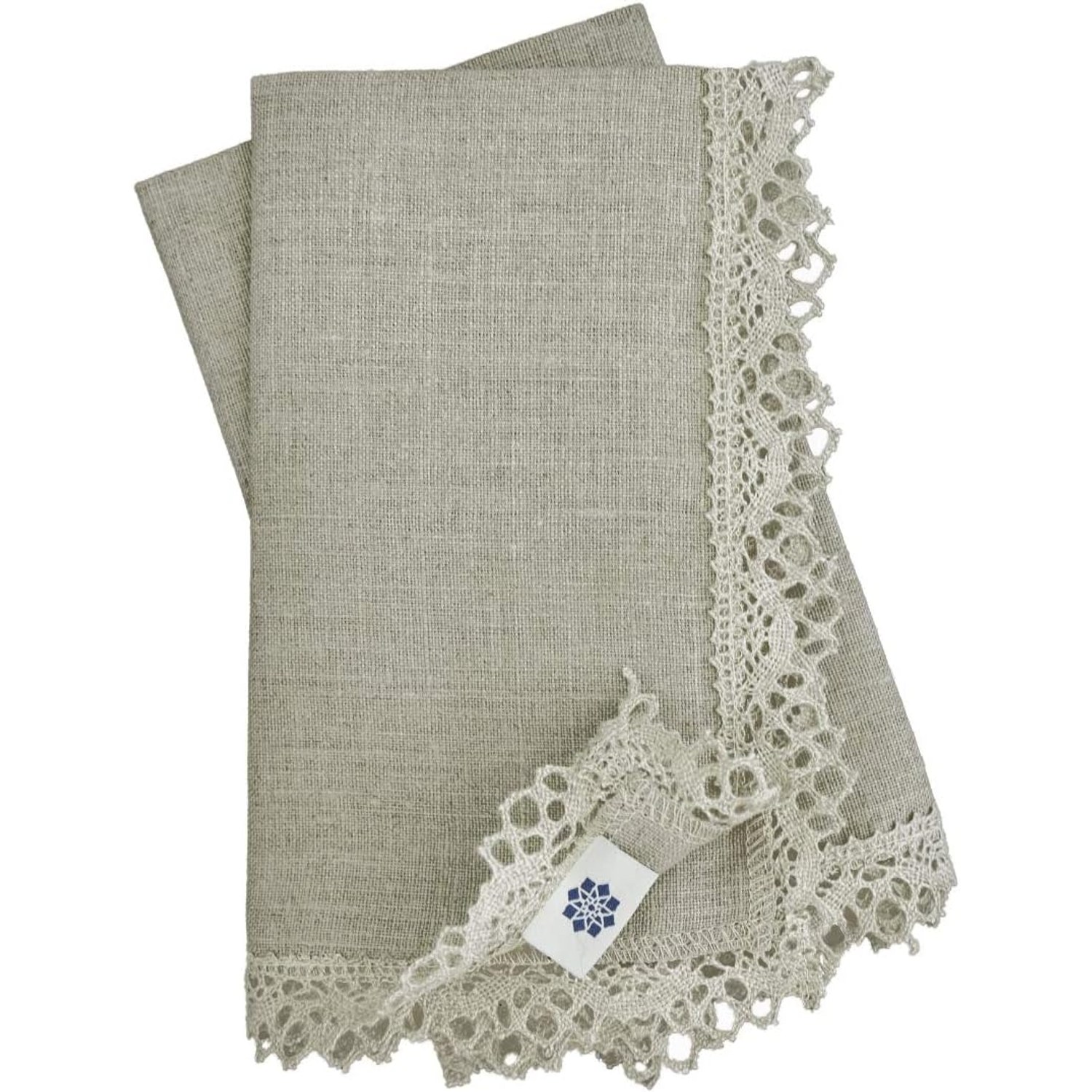
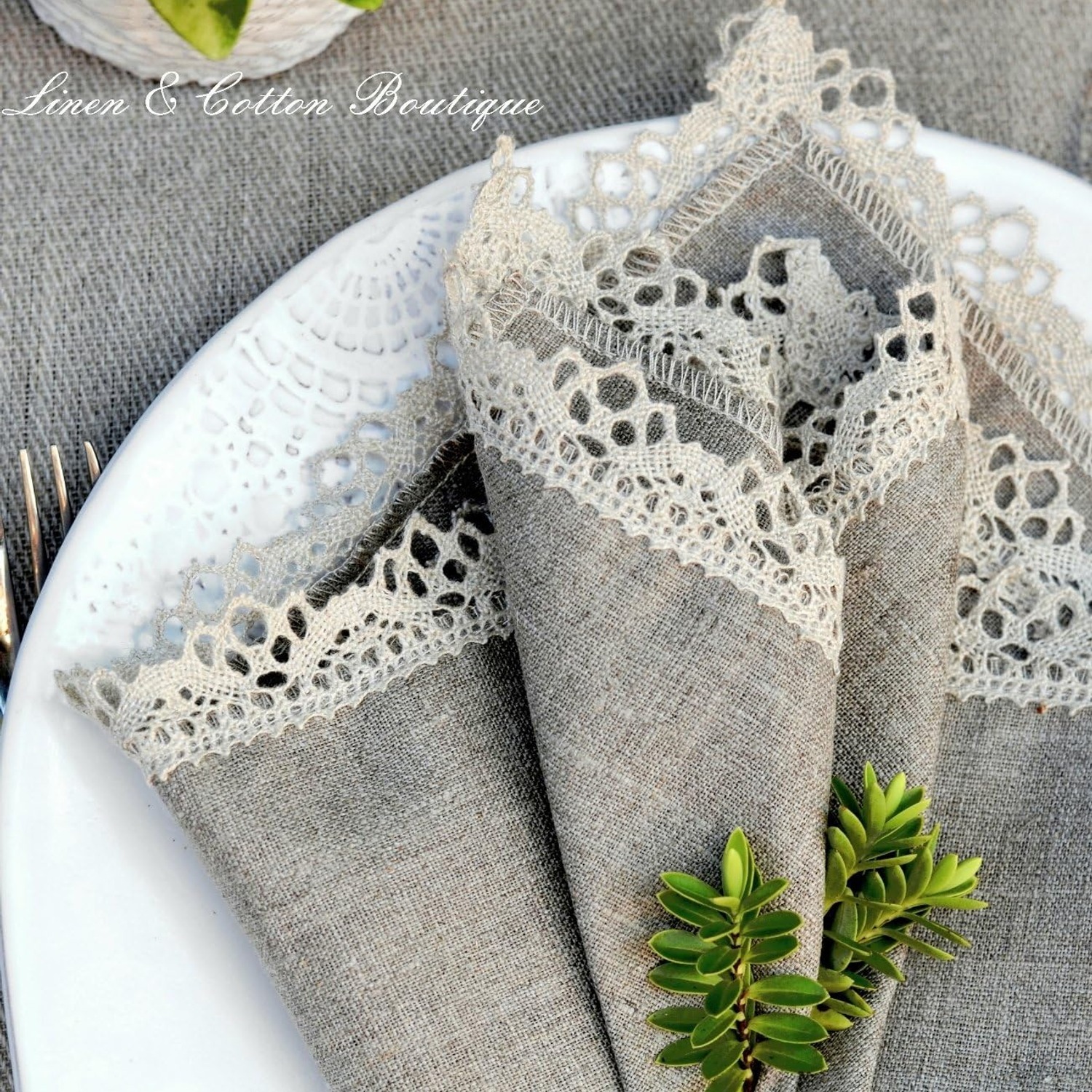
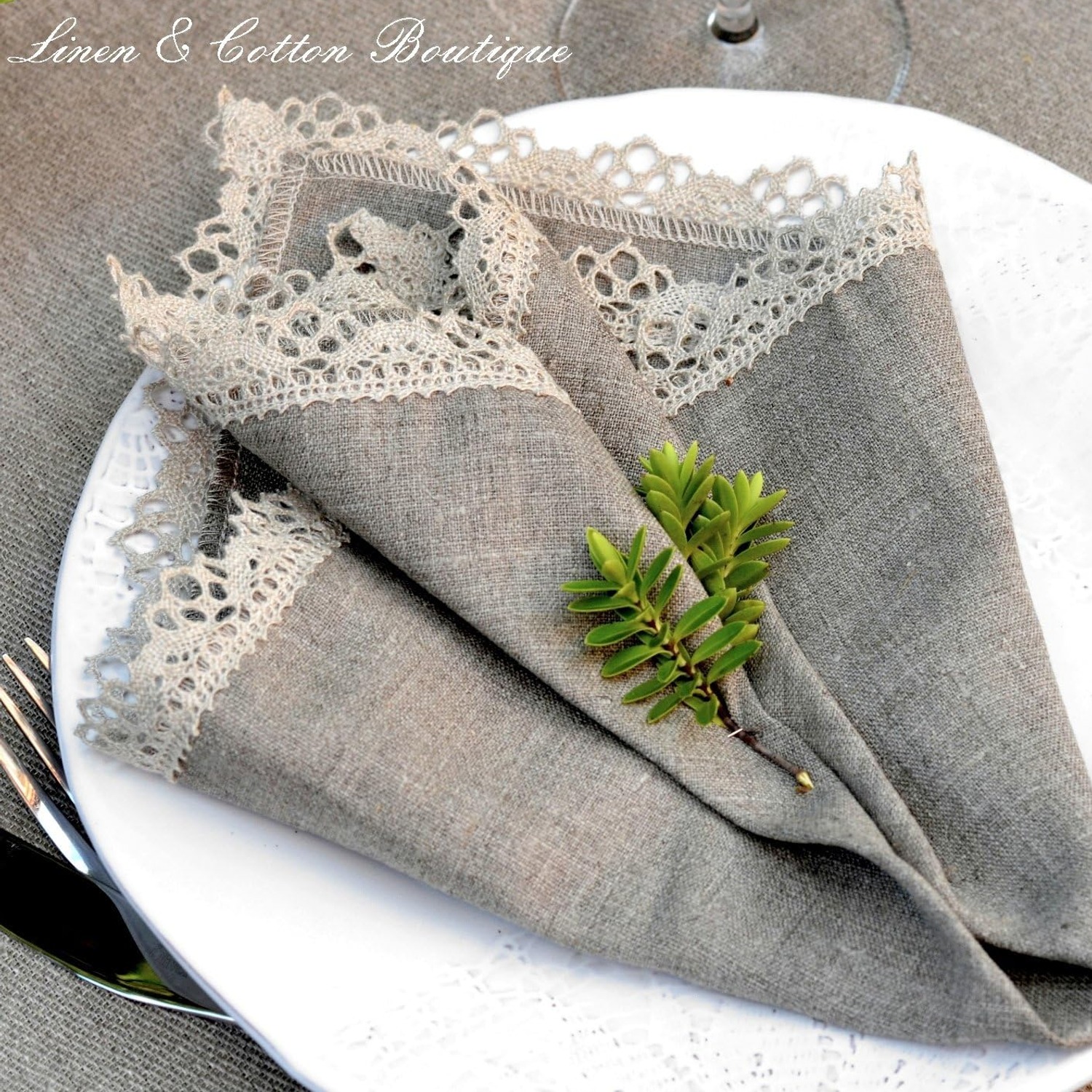
A set of linen napkins with a crochet edge is an attempt to collapse that gap. It is good enough to put on a table when guests arrive, and tough enough that you do not flinch when someone wipes bolognese off their chin with it. That is really the whole pitch. A napkin you use is worth more than a napkin you admire.
Why linen, specifically
Linen comes from flax. The fibres are long, which is unusual among plant fibres and is the reason linen cloth is so strong. Cotton fibres are short and twisted into yarn, which is why cotton feels soft immediately but pills and thins over time. Linen starts firmer and ends up outlasting almost everything in your drawer.
Two practical things follow from that. First, linen absorbs a lot of moisture, something like a fifth of its own weight, before it even feels damp. For a napkin, that is the entire job. Second, it dries quickly, so a used napkin left folded does not go musty the way a damp cotton one can.
The third thing people notice is that linen gets better. New linen has a slight crispness to it. Wash it three or four times and that crispness turns into a soft, dry hand feel that cotton never quite reaches. Unlike most textiles, use improves it. If you are comparing the best natural fibre napkins on the market, this is the characteristic that keeps linen at the front.
The trade-off is wrinkles. Linen creases, and it always will. You can press it flat or you can lean into the relaxed look. Both are legitimate. The rumpled linen table has been a design standard for years now precisely because nobody is pretending otherwise.
What the crochet edge adds
A plain napkin is hemmed. The fabric is folded over twice and stitched down. It is neat, it is invisible, and it does nothing for the look.
A crochet edge replaces that flat hem with a looped yarn border worked around the whole perimeter. The effect is textural rather than decorative in a fussy way. From across the table you register it as something handmade, which is the point. It makes a simple place setting look like someone thought about it, even if all you did was fold the napkin in half.
It also wears well. Because the trim is worked as a continuous loop structure, there is no single stitch line to fail. The main thing to watch is snagging. Keep the crochet border away from cutlery tines when you clear plates and away from velcro in the laundry, and it holds up fine.
Who this set suits
People moving off paper. If you have decided the paper roll is a running cost you no longer want, four linen napkins is a sensible starting point. Wash them with your towels and they cost you nothing after the first purchase.
People who host. Four covers a table of four. Two sets covers eight, which handles most dinner parties. Because they are plain linen with a textured edge, they do not fight with whatever plates and glassware you already own.
People buying a gift. A set of four reads as a complete present. Housewarmings, weddings and first-apartment situations all land well. It is the kind of thing people do not buy for themselves but use constantly once they have it.
People who like things that age. Linen is one of the few household textiles that genuinely improves with years of use. If you enjoy objects that develop character, this is on the right side of that line.
Who it suits less: anyone who wants bright printed patterns, or anyone who refuses to iron and also refuses to tolerate a crease. Linen will always have some texture to it.
How to choose a napkin set
Count. Four is the standard small set and matches most dining tables. If you host regularly, assume you want at least six and ideally eight so a set can be in the wash while another is on the table.
Fibre. Pure linen, linen-cotton blends and pure cotton all exist. Linen absorbs best and lasts longest. Blends are softer out of the packet but do not develop the same way. Cotton is the cheapest and the shortest-lived.
Edge finish. Plain hem, mitred corner, hemstitch or crochet. Crochet is the most visually distinctive of the group and sits closest to a handmade look. Hemstitch is the more formal option. Plain hem is the plainest.
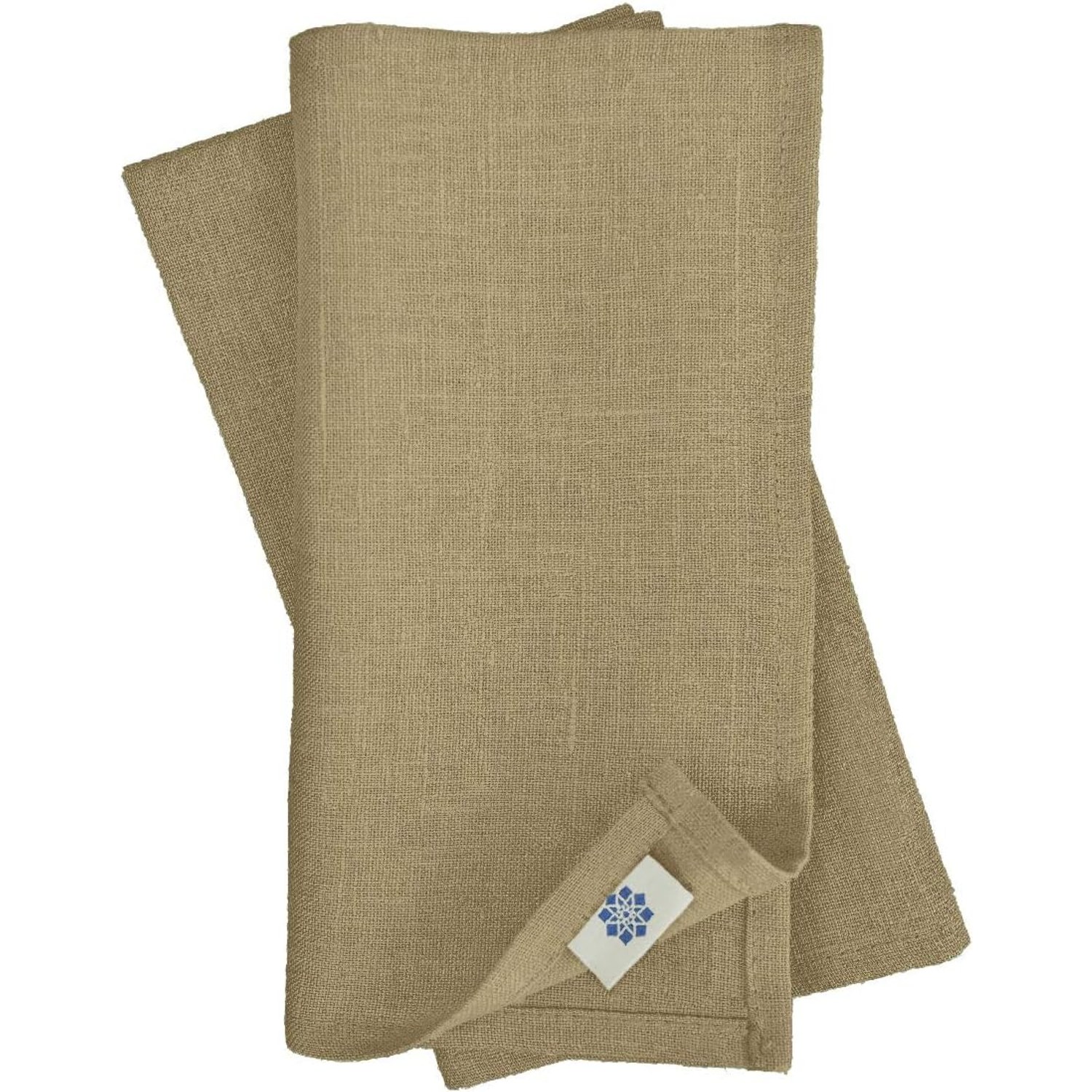
Colour. Neutrals do more work than you expect. A natural or soft tone sits under any plate, any flower, any season. Strong colours look great for one setting and then limit you.
Care tolerance. Be honest with yourself. If you will never iron, choose something you are happy to see rumpled. Linen is fine rumpled, which is a large part of why it has stayed popular.
Looking after them
The routine is short. Machine wash warm with a mild detergent and like colours. Skip fabric softener, which coats the fibre and reduces the absorbency you paid for, and skip chlorine bleach, which weakens linen over time.
Dry on low heat or on a line, and pull them out while still slightly damp. Damp is the key word for linen. If you want them crisp, iron at that point and they will press flat with very little effort. If you want them relaxed, shake them out, fold them and put them away.
For the crochet trim, lay it flat and give it a quick reshape while wet. Two seconds per napkin. That keeps the loops even instead of letting them dry pulled in one direction.
Stains are more forgiving than people assume. Rinse cold straight away, work a little dish soap into anything oily, then wash as normal. Linen releases food marks well because the fibre is smooth rather than fuzzy.
Store them folded in a dry drawer. Avoid plastic storage bags, which hold moisture against natural fibre, and keep them out of long direct sun.
A note on cost over time
Four good napkins look expensive next to a packet of paper. Run the numbers across a few years and the picture flips. Paper is a permanent line item. Cloth is a single purchase that washes with laundry you were already doing.
There is also the thing that is harder to put a number on. A cloth napkin changes how a meal feels. It is a small signal that the table is worth setting properly, and that tends to make people sit at it longer. Whether that is worth anything to you is personal, but most people who make the switch do not go back.
The short version
Linen napkins with a crochet edge are a practical buy dressed as a nice one. The linen handles real spills, dries fast, and softens for years instead of wearing out. The crochet border does the decorative work so you do not have to style anything.
Four is enough for a small table or two people with spares. They machine wash, they do not need dry cleaning, and the only real maintenance is reshaping the trim while it is damp.
If you have been meaning to stop buying paper, or you want a gift that gets used rather than stored, this is a straightforward place to land.