

The complete guide
How To Choose A Merino Wool Blanket That You Will Actually Use
The problem with most blankets
Most households own several blankets and use one. The rest sit folded in a cupboard because they are too small, too scratchy, too hot, or too fussy to wash. The one that gets used is usually the one that got the basics right.
Size is where cheap throws fall down first. A lot of blankets sold as sofa throws are around 130 x 150 cm, which is a lap rug. Sit up, stretch your legs out, and your feet are cold. Try to share it and someone loses. A merino wool blanket 160 x 220 cm solves that in the most direct way possible, by being long enough for a tall adult and wide enough for two.
The second problem is the fibre. Synthetic fleece feels soft in the shop and warms up fast, but it does not breathe much. Sit under it for an hour and you get that slightly sticky, overheated feeling, then you throw it off and get cold. Wool behaves differently, and that difference is the main reason wool throws keep selling decade after decade.
How wool actually keeps you warm
Wool fibres are crimped. They do not lie flat against each other, so a wool fabric traps a lot of still air between the fibres. Still air is a poor conductor of heat, which is exactly what you want in a blanket. The warmth is coming from you, and the wool is simply stopping it from escaping.
The more interesting part is moisture. Wool can take up a fair amount of water vapour inside the fibre itself without feeling wet on the surface. Your body gives off moisture constantly, even when you are just sitting watching television. Under a sealed synthetic, that moisture has nowhere to go. Under wool it is absorbed and released gradually. The practical result is a blanket that feels warm and dry over a long stretch rather than warm for twenty minutes and clammy after that.
That same property is why wool is a staple for camping. Damp air outdoors does not kill its insulating ability the way it does with down. A wool camping blanket still works when the night turns dewy.
Why merino specifically
Not all wool feels the same. The thickness of the individual fibre makes an enormous difference to how a fabric feels on skin. Coarse wool fibres are stiff enough to bend against your skin and trigger that familiar prickle. Finer fibres bend more easily, so you feel softness instead of scratch.
Merino is a fine wool. That is the whole reason it dominates in next-to-skin clothing like base layers and socks. In a blanket, fine fibre means you can use it over bare arms and legs without a sheet in between, which matters when you are on the sofa in a t-shirt rather than tucked into a made bed.
A merino blend, which is what this throw is, mixes that softness with added strength for everyday handling. Blankets live a hard life. They get sat on, dragged across floors, stuffed in car boots, and pulled by children and dogs. Blend construction is a practical answer to that.
Who this size suits
Think about where the blanket will spend most of its time.
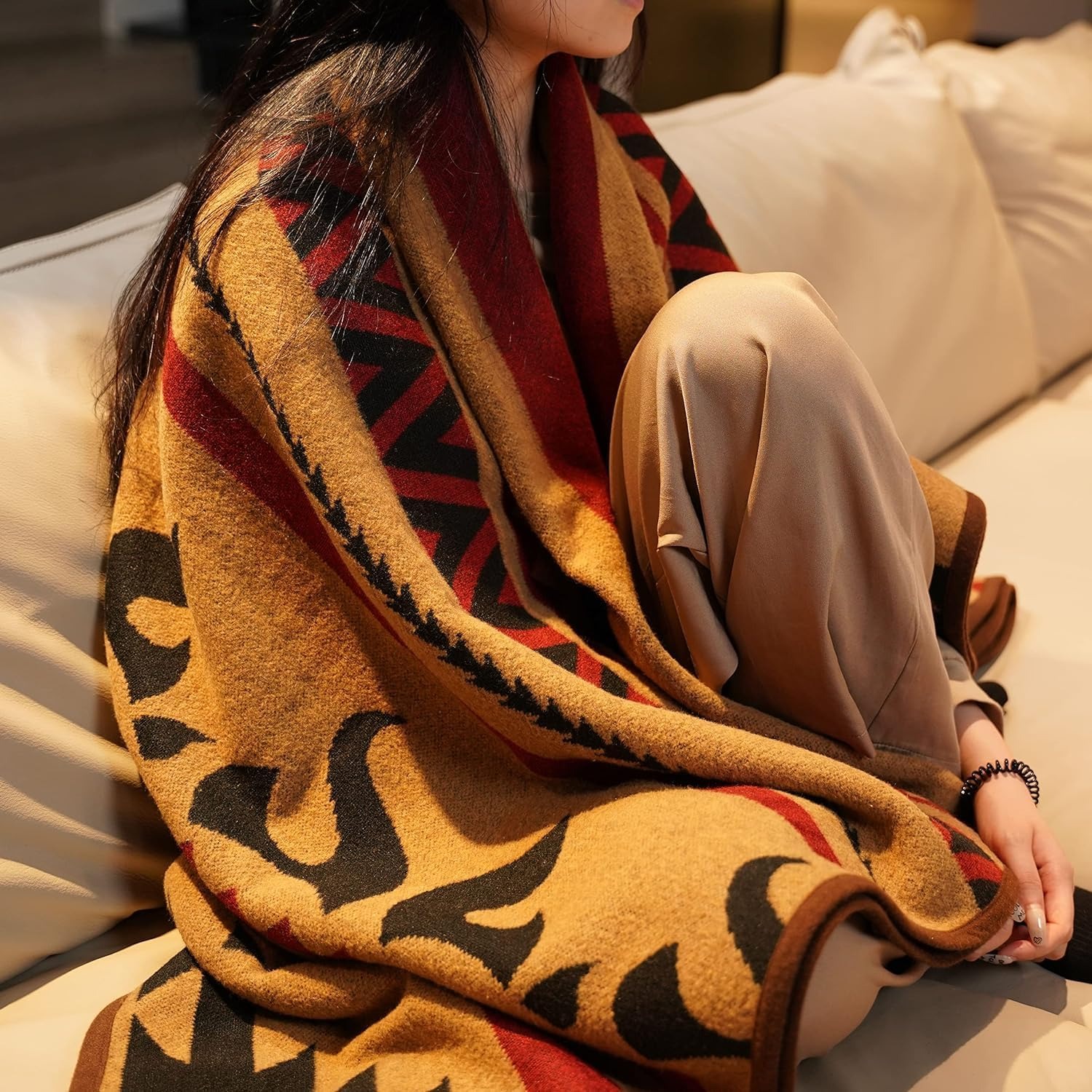
If it lives on a sofa, 160 x 220 cm is the sweet spot for a two-seater or three-seater. Draped over the back it looks intentional rather than crumpled, and when you pull it down there is enough fabric for two people without rationing.
If it is destined for a bed, this size works as a top layer rather than full bedding. On a double it covers most of the sleeping area with a small drop. On a queen or king it sits across the bottom half, which is actually how most people use a wool throw on a larger bed anyway. The point is to add warmth where your feet and legs are and to have something easy to kick off at 2am.
For an armchair, it is generous. You can tuck the extra length around your legs or let it pool on the floor, whichever you prefer.
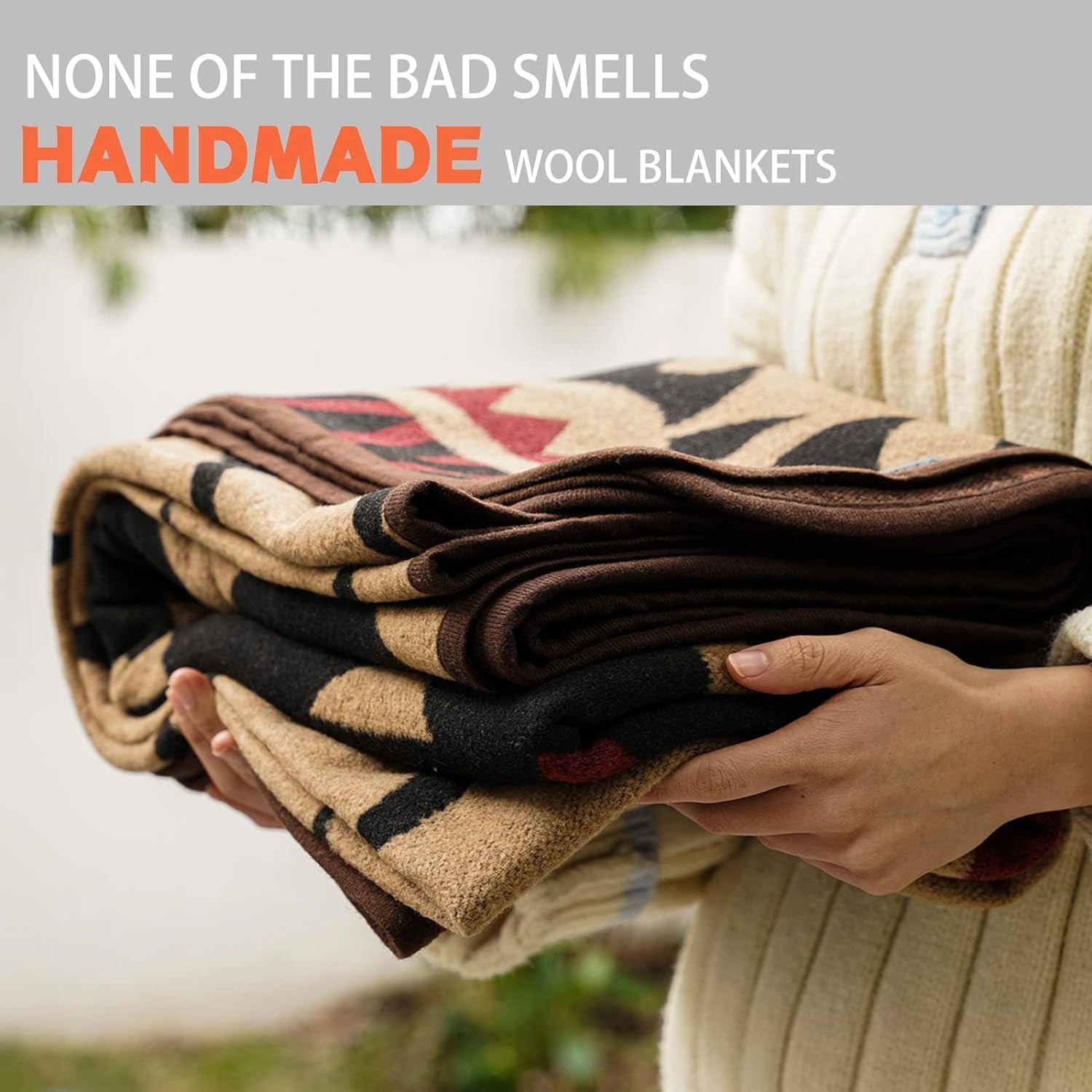
For outdoors, the fold matters more than the footprint. Rolled up it goes in a car, a tent, or the bottom of a picnic basket.
How to choose between the options
When people compare wool throws, they usually weigh up four things.
The first is warmth versus weight. Heavier does not always mean warmer, because trapped air does the insulating, not fibre mass. A dense, lofty wool blanket of moderate weight often outperforms a thin heavy one.
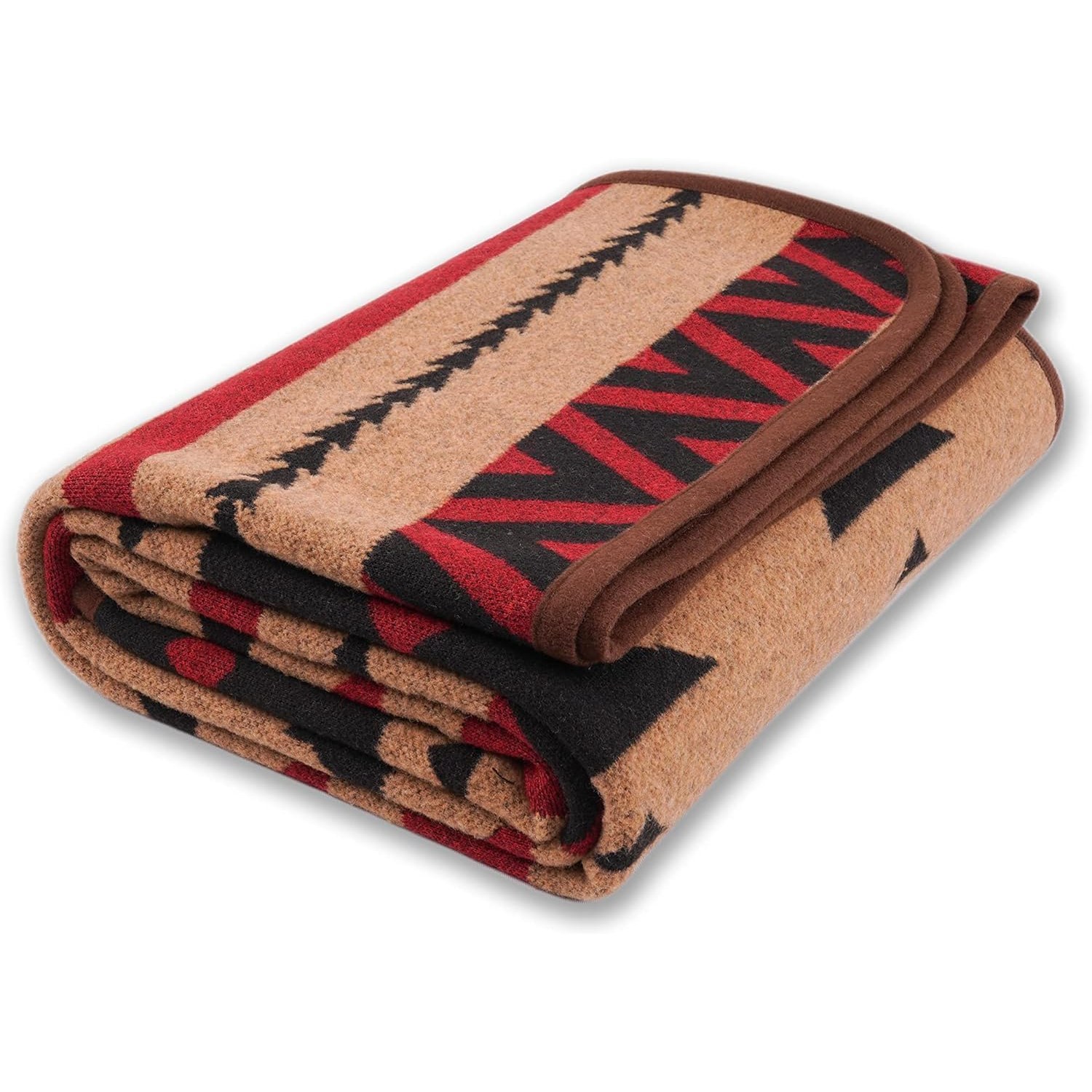
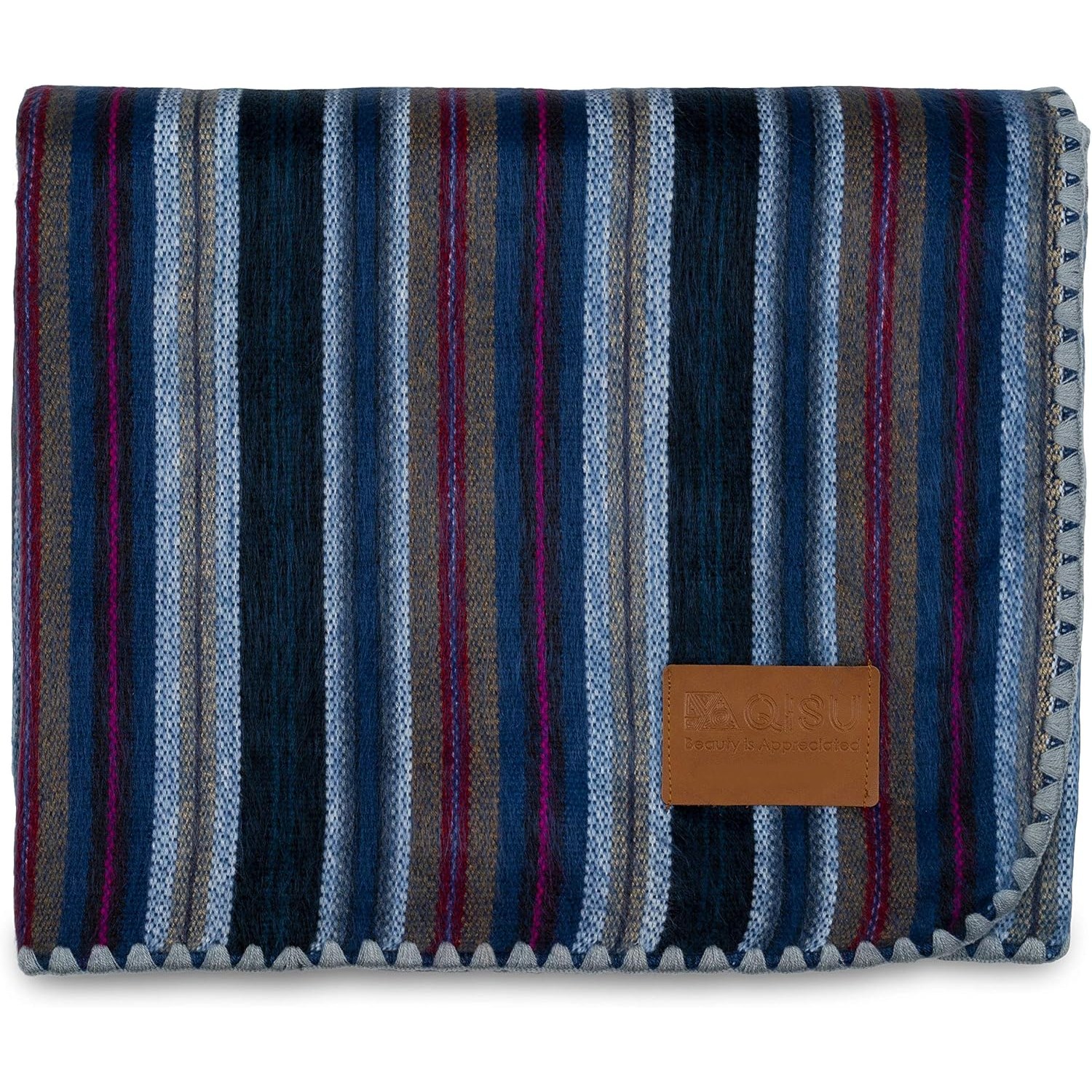
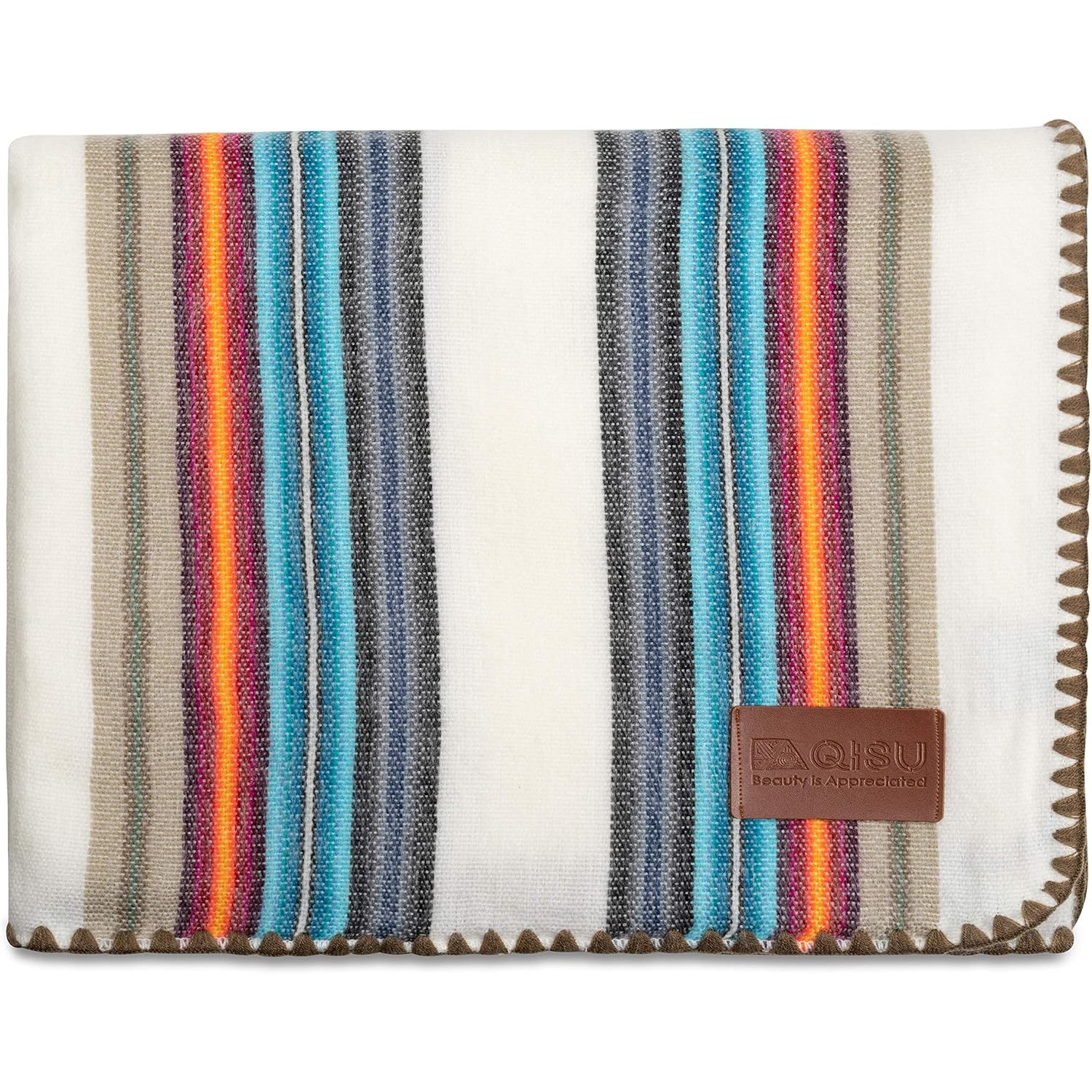
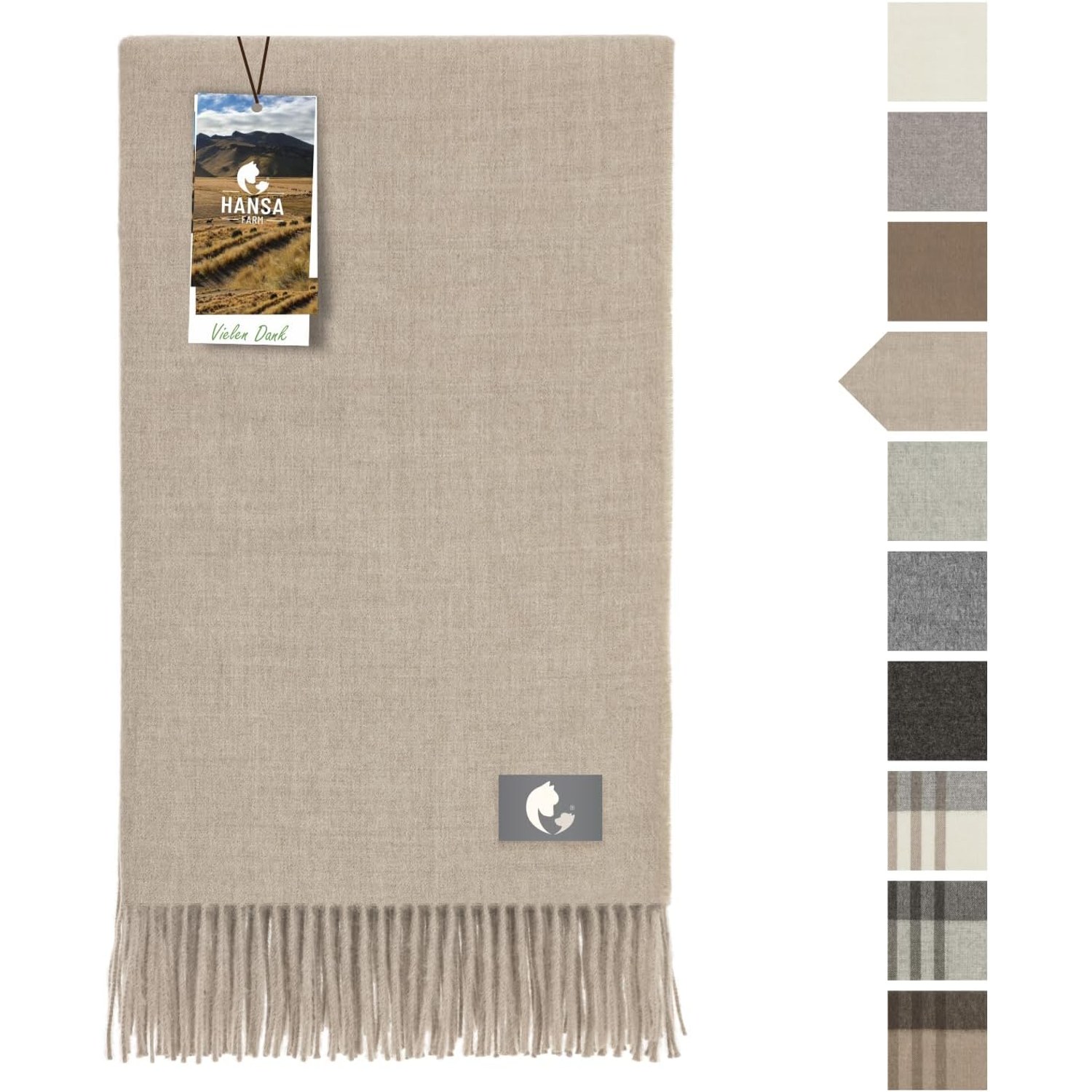
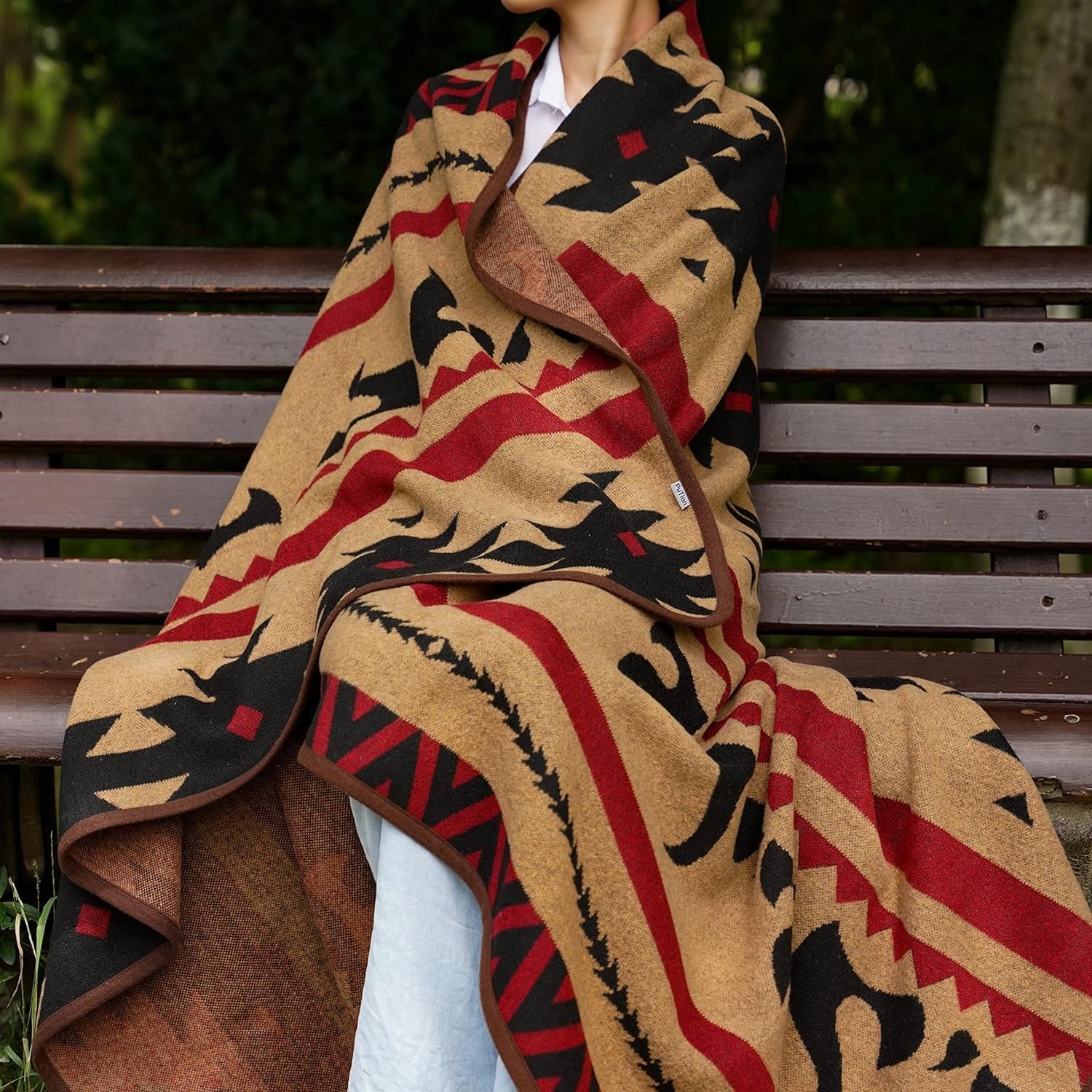
Second is surface feel. Run your hand over the sample images and look at how even the pile is. Patchy, uneven surfaces usually mean the fabric will wear unevenly too.
Third is edge finish. Blankets fail at the edges first. Clean, secure stitching around the perimeter is the single best predictor of how a blanket looks after two winters.
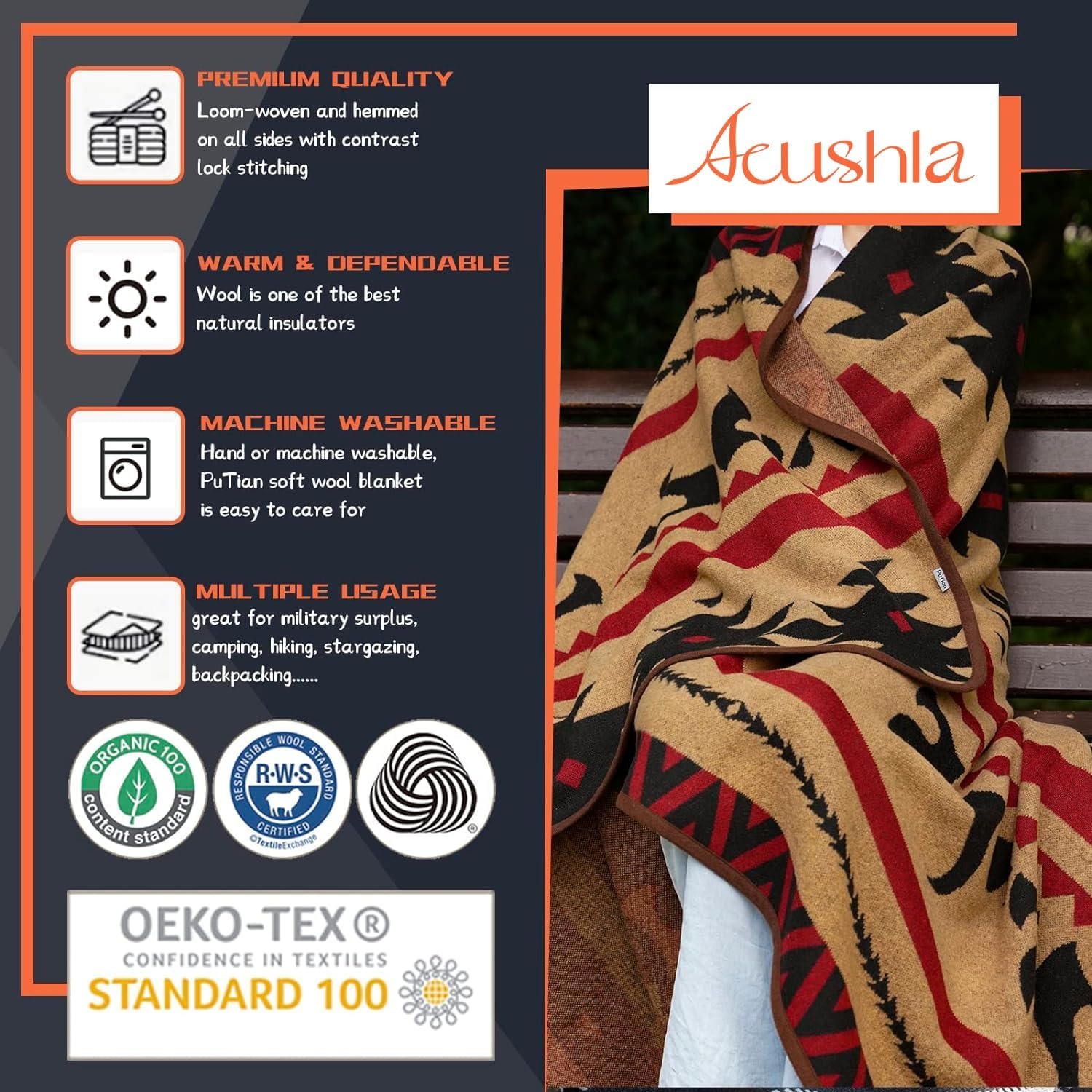
Fourth is care. If a blanket needs dry cleaning, be honest with yourself about whether you will bother. A hand-wash-cold blanket is realistic for most people, because in practice you will wash it rarely and air it often.
Living with a wool blanket
Wool needs less washing than people expect. The fibre resists odour build-up, so the usual maintenance is airing. Hang the blanket outside on a dry, breezy day for a few hours and it comes back fresh. Do that every few weeks during heavy use and you will go a whole season between washes.
When you do wash it, cold water and a gentle wool detergent are the rules that matter. Hot water and agitation are what felt wool, shrinking it and turning that soft surface hard. Do not wring it. Press the water out, roll it in a dry towel to absorb more, then lay it flat on a rack. Keep it out of direct sun and away from a hot radiator, because fast drying with heat stiffens the fibres.
Expect some shedding early on. Short fibres work their way loose in the first few uses and then stop. Light pilling on high-contact areas is also normal with wool and comes off easily with a fabric comb or a gentle pass with a pill shaver.
For storage, clean and completely dry comes first, then fold it into something breathable. A cotton bag or a lidded basket is ideal. Sealed plastic traps any residual moisture against the fibre, which is how blankets come out of summer storage smelling musty.
The short version
If you want one blanket that gets used instead of stored, buy it big enough to share and made of something that breathes. A merino wool blanket 160 x 220 cm covers both. It is long enough for a tall adult, wide enough for two on a couch, and the wool handles moisture so it stays comfortable over a long evening rather than just a short one.
It moves easily between rooms and between uses. Sofa in the evening, bed layer overnight, car boot at the weekend. Care is straightforward if you stick to cold water and flat drying, and airing it outdoors does most of the day-to-day work.
Choose it if you feel the cold, share your seating, or want a natural fibre blanket that still looks good left out in the living room. Skip it if you want something you can throw in a hot machine wash every week, because that is not how wool wants to be treated.