
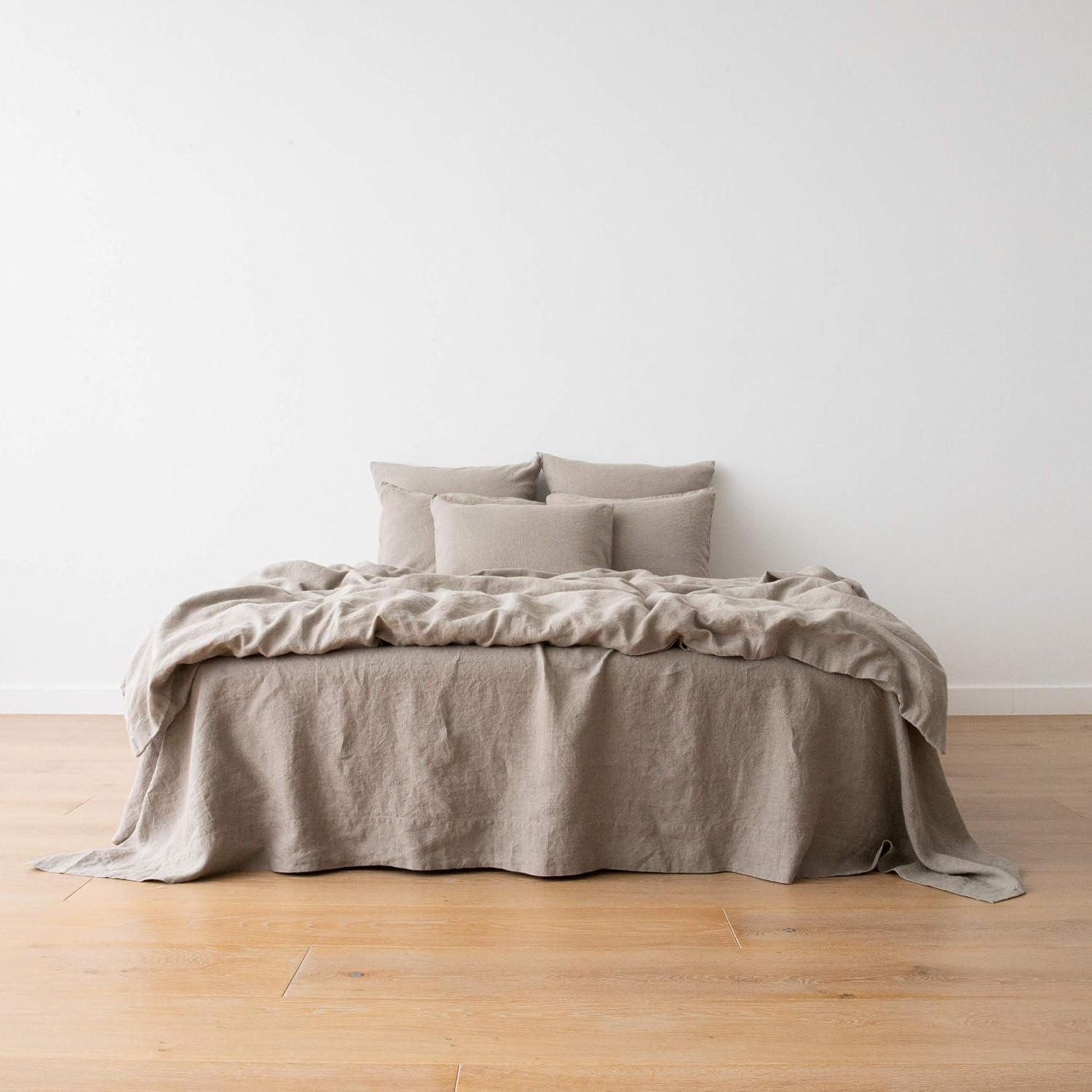
The complete guide
Washed Linen Cushion Covers, A Practical Buyer's Guide
The problem with cushion covers that never look relaxed
Most people buy cushion covers twice. The first time, they pick something smooth and structured because it looks tidy in the photo. Then they live with it. The cover creases where a shoulder leans, the sheen shows every dent, and the bed looks worse at 9am than it did when it was made. Keeping it presentable turns into a small daily chore nobody signed up for.
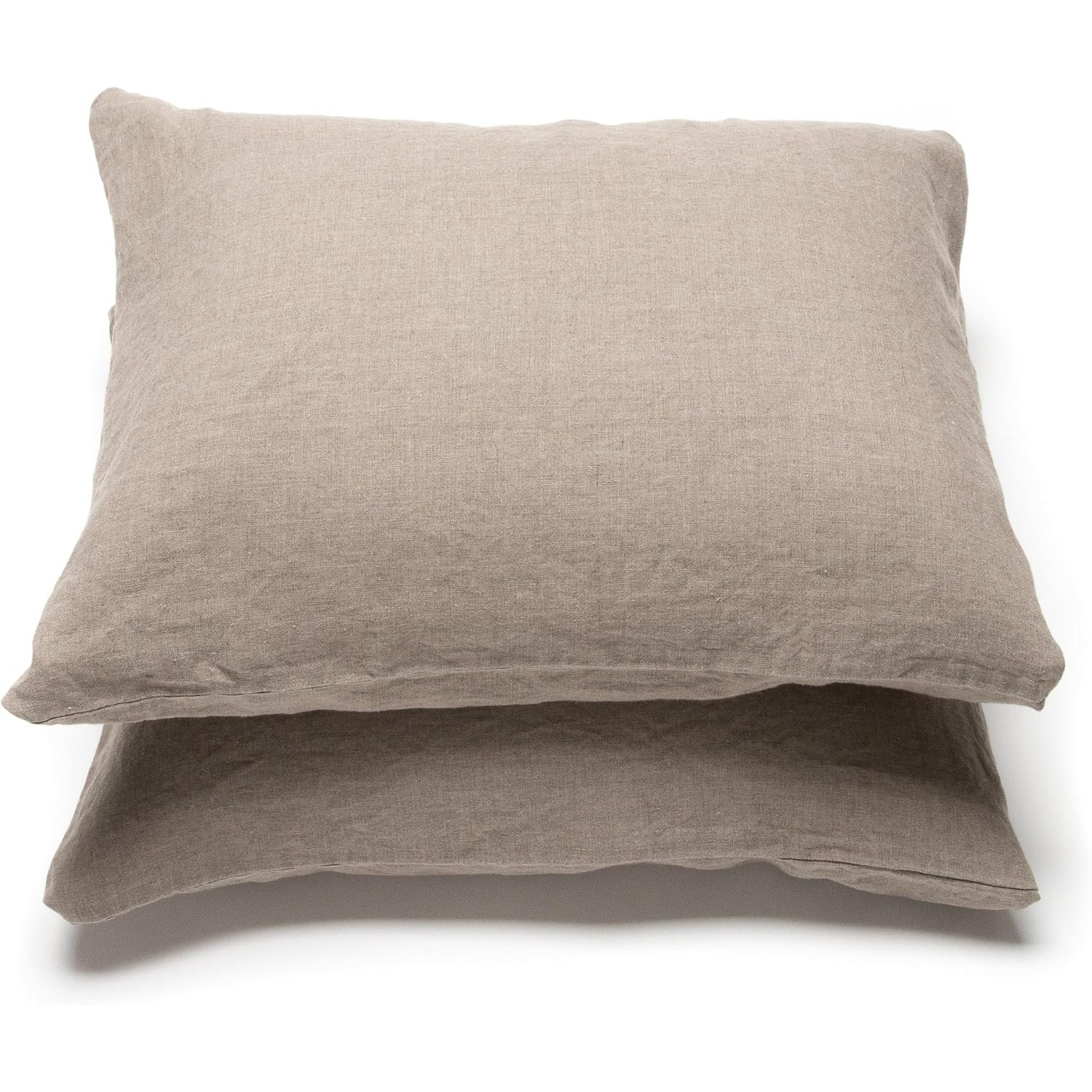
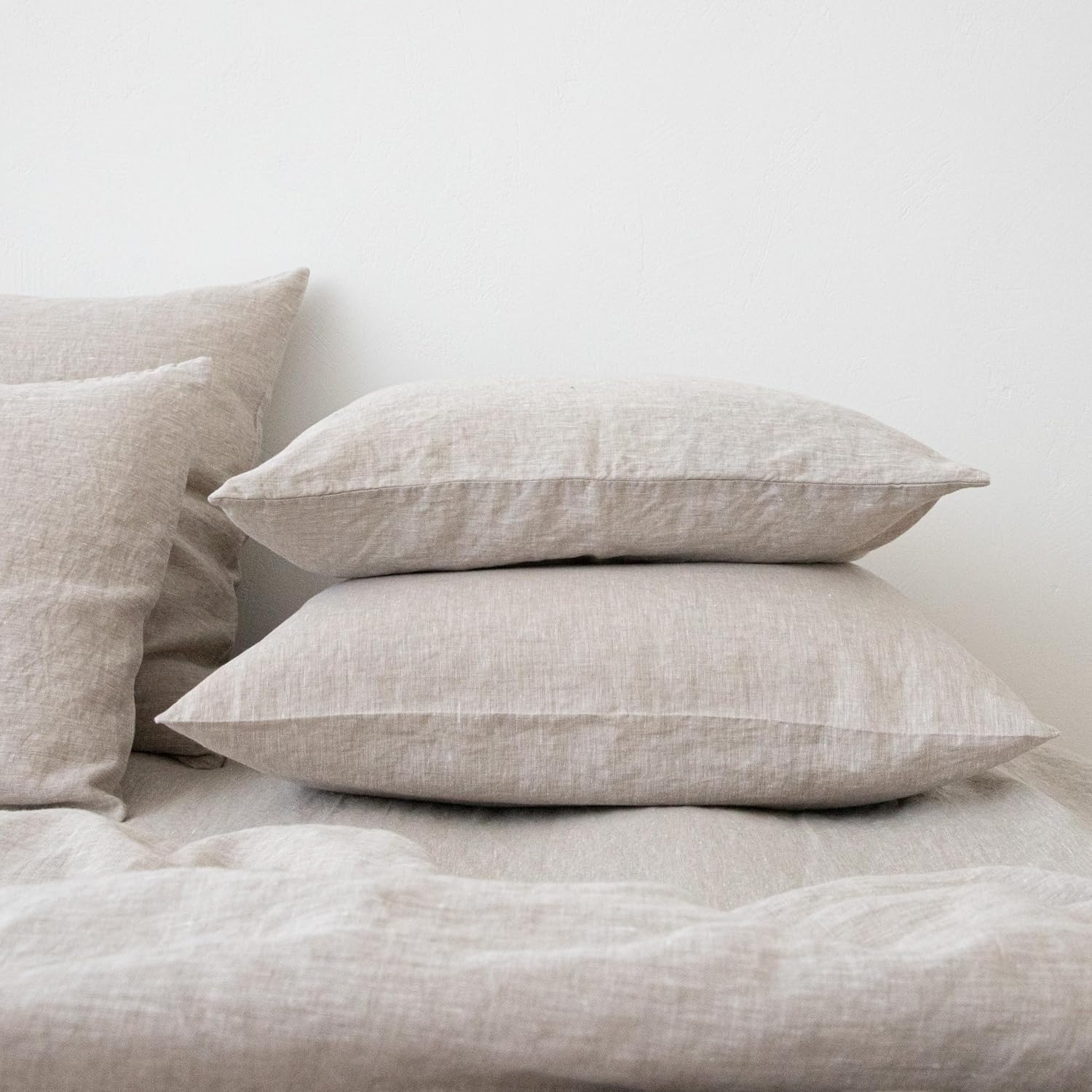
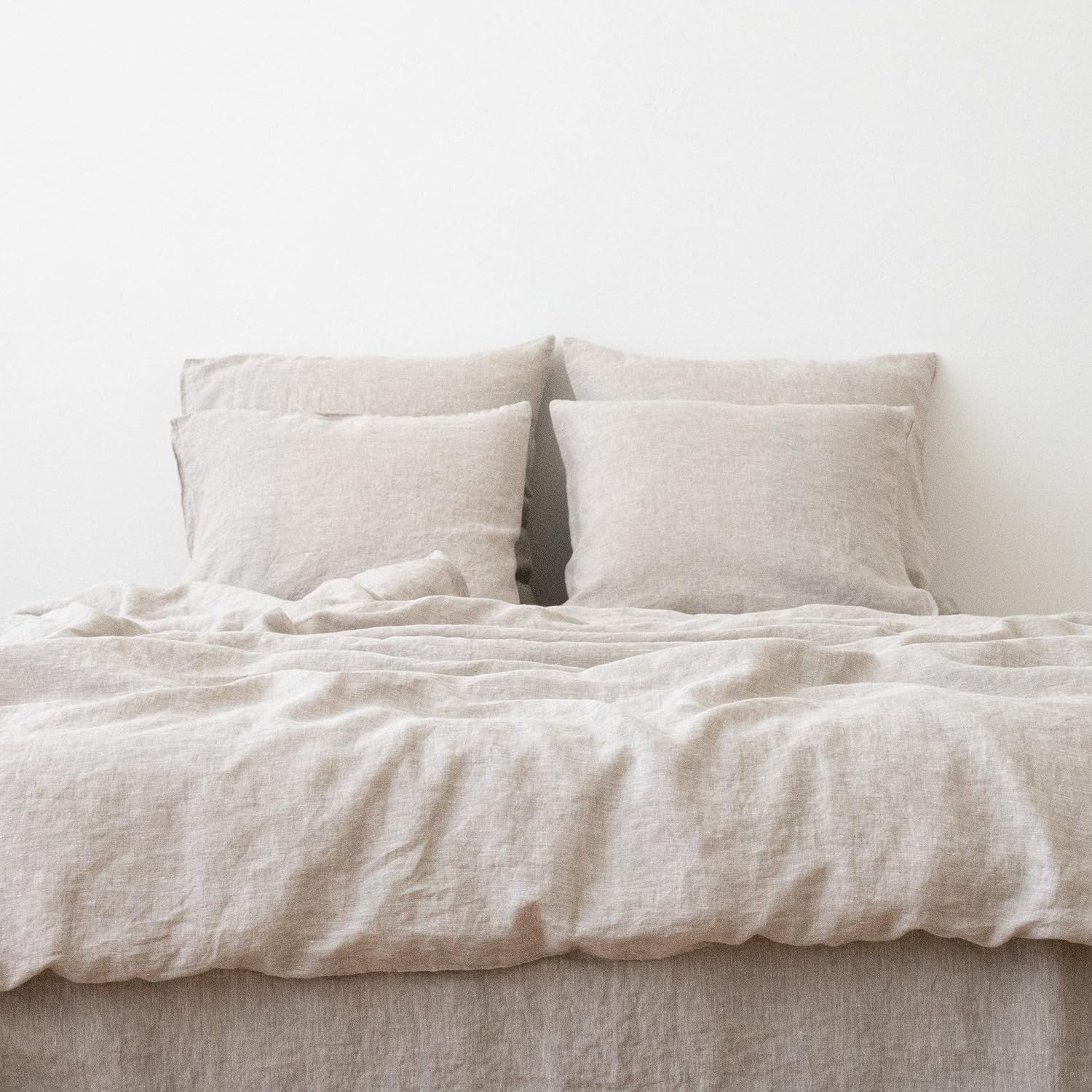
Washed linen takes the opposite approach. The fabric is already relaxed, so a crease is not a failure, it is just how the material sits. That is the honest appeal of a washed linen cushion cover at 50 x 60 cm. It looks good when it is perfect and it still looks good when the dog has been on the bed.
What washed linen actually is
Linen is spun from flax, a plant fibre with long, strong strands and a naturally uneven surface. That unevenness is why linen has texture you can see from across a room, and why it ages the way it does. Cotton is rounder and smoother, so it reflects light more evenly and feels slicker. Neither is better, they just behave differently.
The word "washed" refers to a finishing step done at the mill. The fabric is laundered before it is cut and sewn, which relaxes the fibres and settles most of the shrinkage out of the way. Two things follow from that. One, the cover feels soft the day it arrives instead of after six weeks of use. Two, your own washing at home does not change the size much, so the fit over your insert stays consistent.
New, unfinished linen can feel almost papery. If you have ever bought linen and wondered why people rave about it, there is a decent chance you bought the unwashed kind and gave up before it broke in. Pre-washed skips that stage.
Why linen suits bedding specifically
Flax fibre is absorbent and hollow, so it takes on moisture and lets it go again quickly. Combine that with a weave that has a bit of air in it, and you get a fabric that stays dry against skin on a warm night. That is the main reason linen keeps turning up in any list of the best natural linen bedding in warm climates.
It is not only a summer fabric, though. Linen regulates rather than insulates. In a cool bedroom it feels dry and pleasant instead of cold and damp, which is more than can be said for a lot of slippery synthetics. The quilt does the warming, the linen handles the surface comfort.
Durability is the other quiet advantage. Flax fibres are strong, and linen that gets washed often tends to soften rather than wear thin. Household linen that lasts a decade is not unusual.
Getting the size right
This set is 50 x 60 cm, two covers per box. That rectangle is a common European pillow size, so it works directly as a pillowcase on a bed. It is also a good size for the big back cushion on a sofa, the kind you actually lean into rather than shuffle out of the way.
Measure your existing insert from seam to seam, not around the puff. If it measures 50 x 60 cm you are set. If it comes in a little under, the cover will look slightly loose, which some people like and some do not. If you want a fuller, plumper look with no sag at the corners, go up about two centimetres on the insert. A 52 x 62 cm insert inside a 50 x 60 cm cover fills the shape nicely.
Fill type matters for the look as well. Feather and down compress and drape, which suits the soft character of linen. Polyester fill holds a squarer shape and resists flattening, which some people prefer on a sofa that gets heavy use. Either works, it is a question of whether you want slouchy or structured.
Who these suit, and who they do not
They suit anyone who makes the bed quickly and wants it to look intentional anyway. They suit hot sleepers. They suit homes with a lot of natural materials already, oak, rattan, wool, plain cotton, because washed linen sits beside all of those without competing. Shoppers after the best linen cushions for sofa use often end up with this size for the same reason, it is big enough to be useful.
They are less suited to someone who wants a hotel-smooth bed with sharp edges. Linen will never do that without ironing, and ironing linen every week is a short road to resentment. If a crisp finish is non-negotiable, percale cotton is the honest answer.
They are also not an outdoor product. Natural fibres fade in direct sun and do not enjoy rain. A covered patio is fine for an afternoon, but bring them in.
Looking after them
Care is simple, which is half the point. Machine wash warm or cool on a gentle cycle, with similar colours, using a mild detergent. Do not overload the drum, since linen needs room to move to wash evenly.
Skip fabric softener. It coats the fibres and works against the absorbency that makes linen worth owning in the first place. Skip bleach too, which weakens flax and can leave uneven patches.
Tumble dry on low if you like, and take the covers out while they are still a touch damp. Smooth them with your hands and let them finish on a rack. That one habit removes most of the heavy wrinkling without any ironing. If you want a smoother surface, steam press on a linen setting while the fabric is slightly damp.
For stains, act early. Cool water and a dab of detergent handle most spills. Hot water sets protein stains, so resist the urge.
Store them folded in a cupboard or a cotton bag rather than sealed plastic. Natural fibres do better with a bit of airflow.
How many to buy
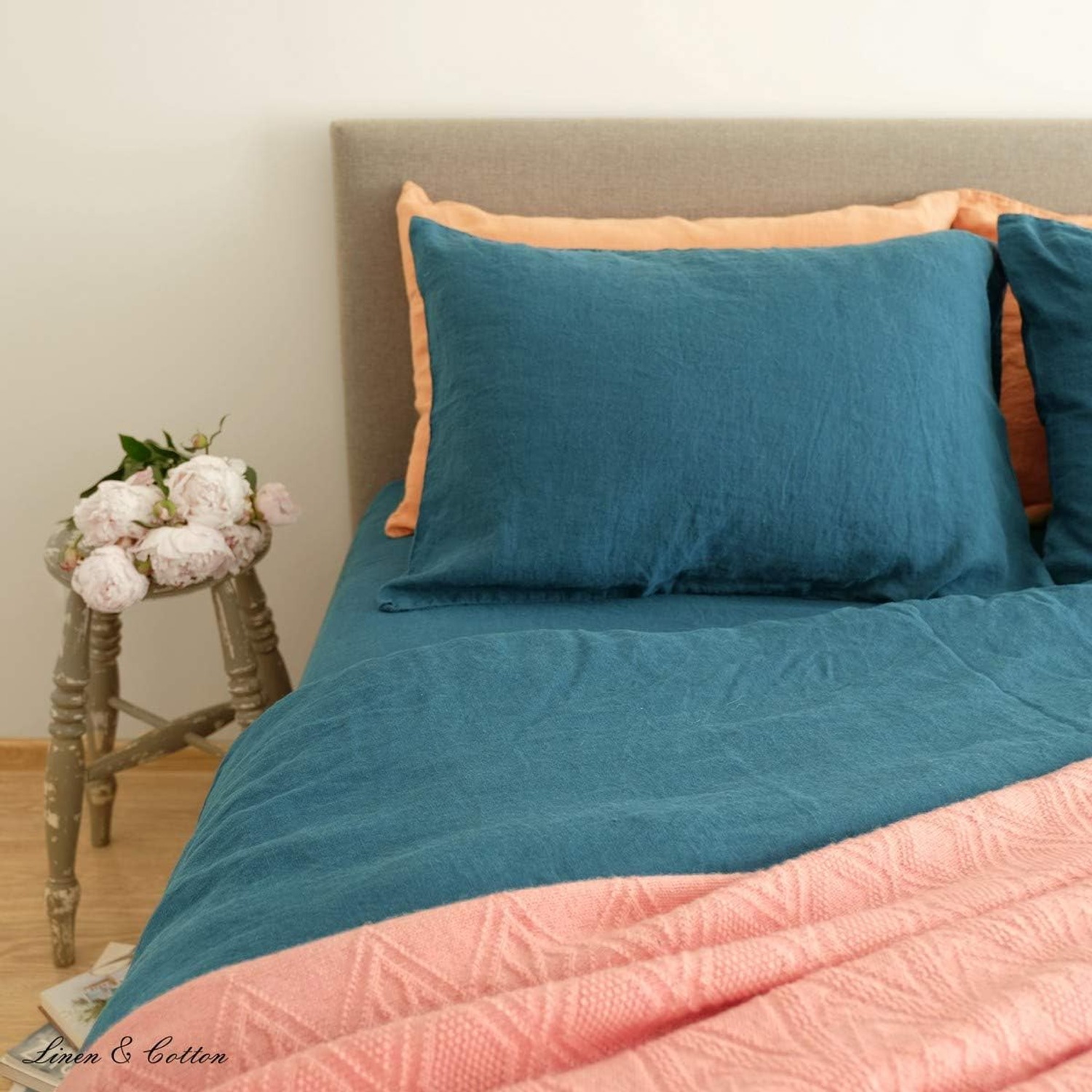
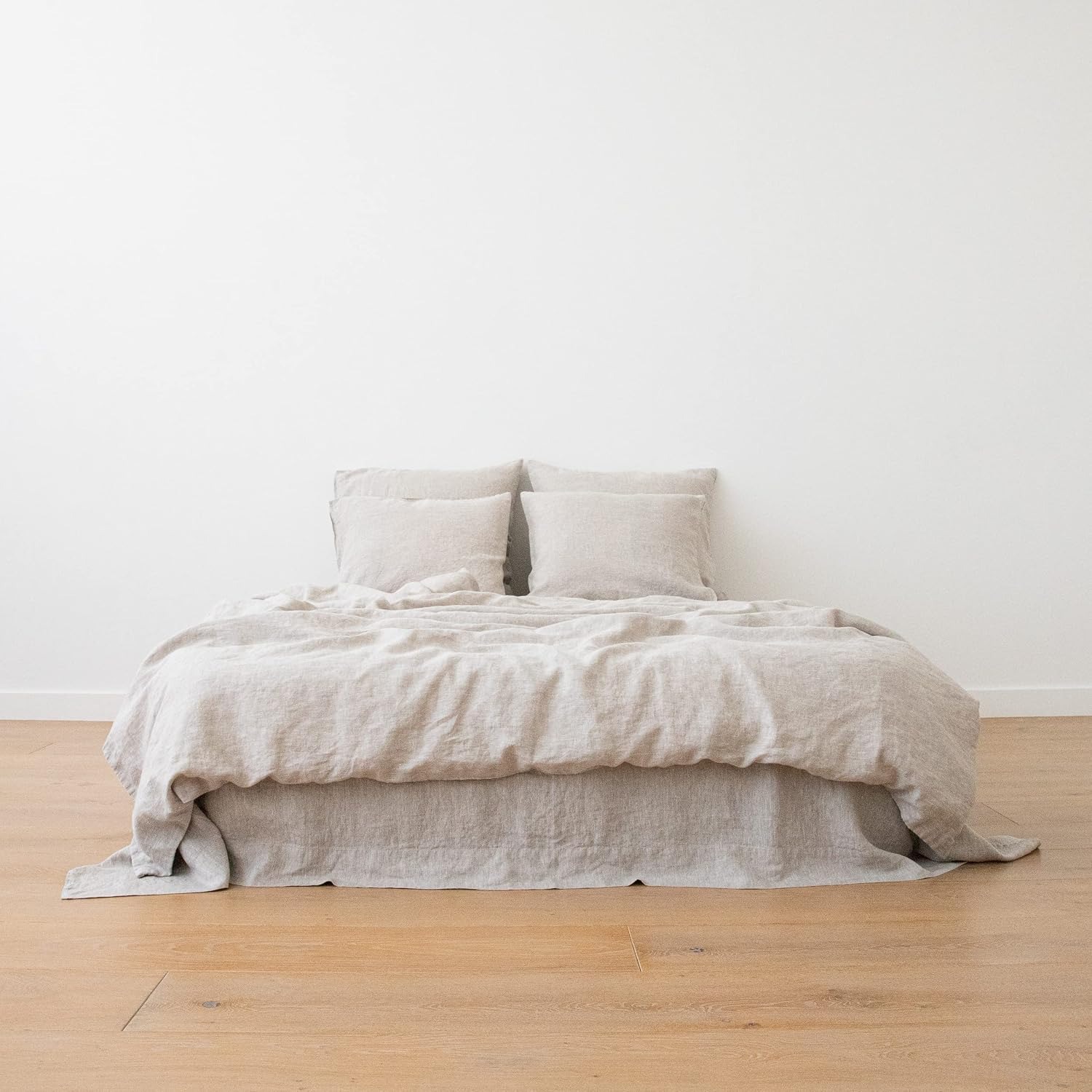
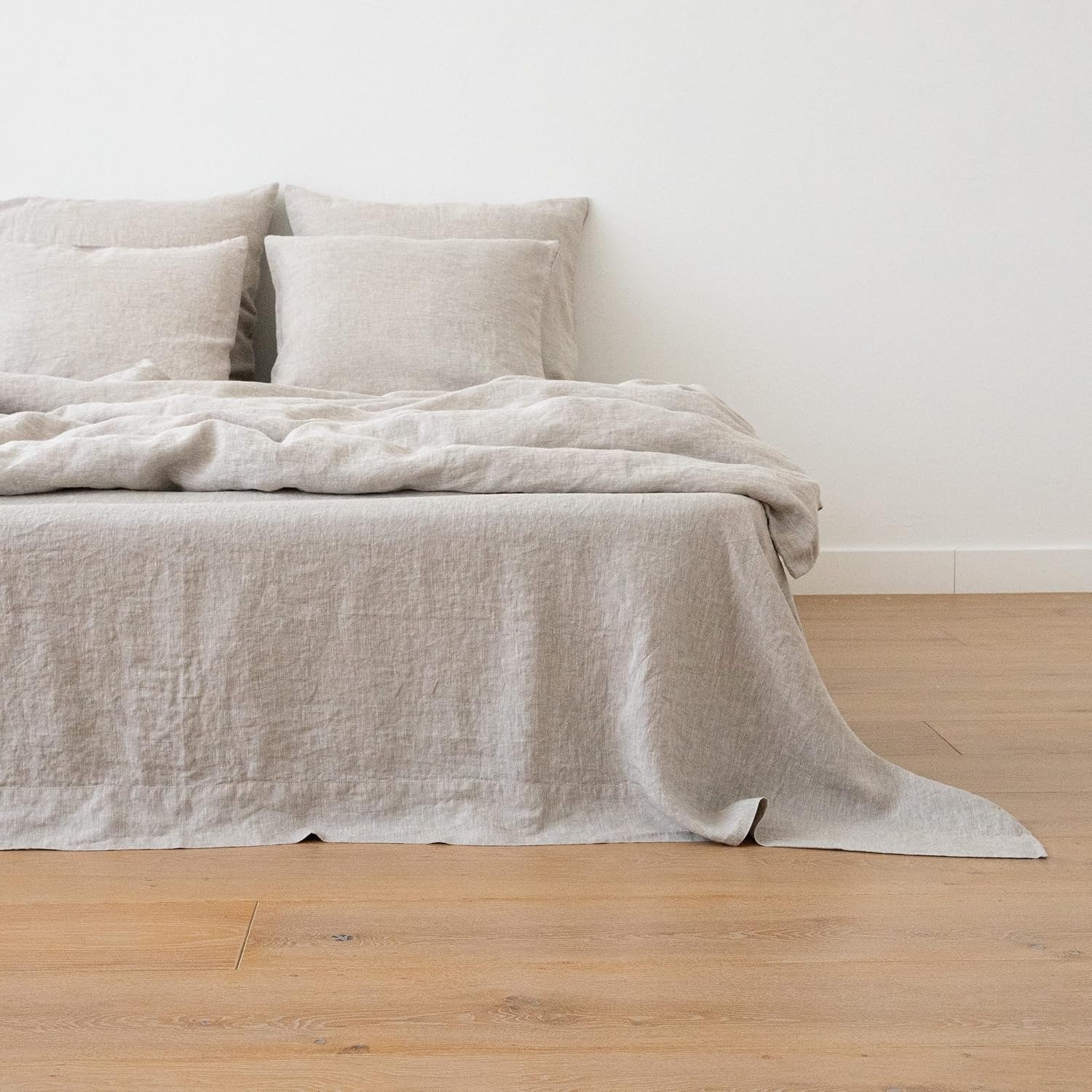
One set of two dresses a pair of European pillows on a queen bed. If you layer, with sleeping pillows in front of the Europeans, you may want a second set for the back row. On a king, two sets is the usual answer. For a sofa, two matching covers at either end look deliberate, and a third in a different texture breaks up the symmetry if that is your taste.
Having a spare set makes laundry day easier, since you can strip and remake the bed in one go instead of waiting for a dry cycle.
The short version
Washed linen cushion covers at 50 x 60 cm give you a soft, breathable, low-maintenance surface that looks relaxed on purpose. The pre-wash means they arrive soft and stay the size you bought. Two covers in the set is enough for a matched pair on a bed or a sofa. Measure your insert, consider sizing up slightly for a fuller shape, wash cool, dry low, and skip the softener. Do that and the covers will keep getting better for years rather than wearing out.