
The complete guide
How to Choose a Merino Wool Scarf for Men
The gap nobody plans for
Most winter outfits fail in one spot. You can have a good coat, decent boots and a warm jumper, and still spend the walk to the station with cold air pouring straight down your collar. The neck is a weak point because it is exposed, it has a lot of blood flow near the surface, and no coat on earth seals it properly when you turn your head.
A scarf fixes that. The trouble is that a lot of scarves are either too thin to matter or so bulky that they shove your coat collar up around your ears. A merino wool scarf for men sits between those two problems. The fibre is fine, so the cloth can be relatively light and still hold warm air against the skin.
What merino actually does
Wool works by trapping air. Air is a poor conductor of heat, so a layer of it next to your body slows the rate at which you lose warmth. Wool also handles moisture well, absorbing a fair amount of it into the fibre before it starts to feel damp, which is why wool stays comfortable when a synthetic scarf starts to feel clammy.
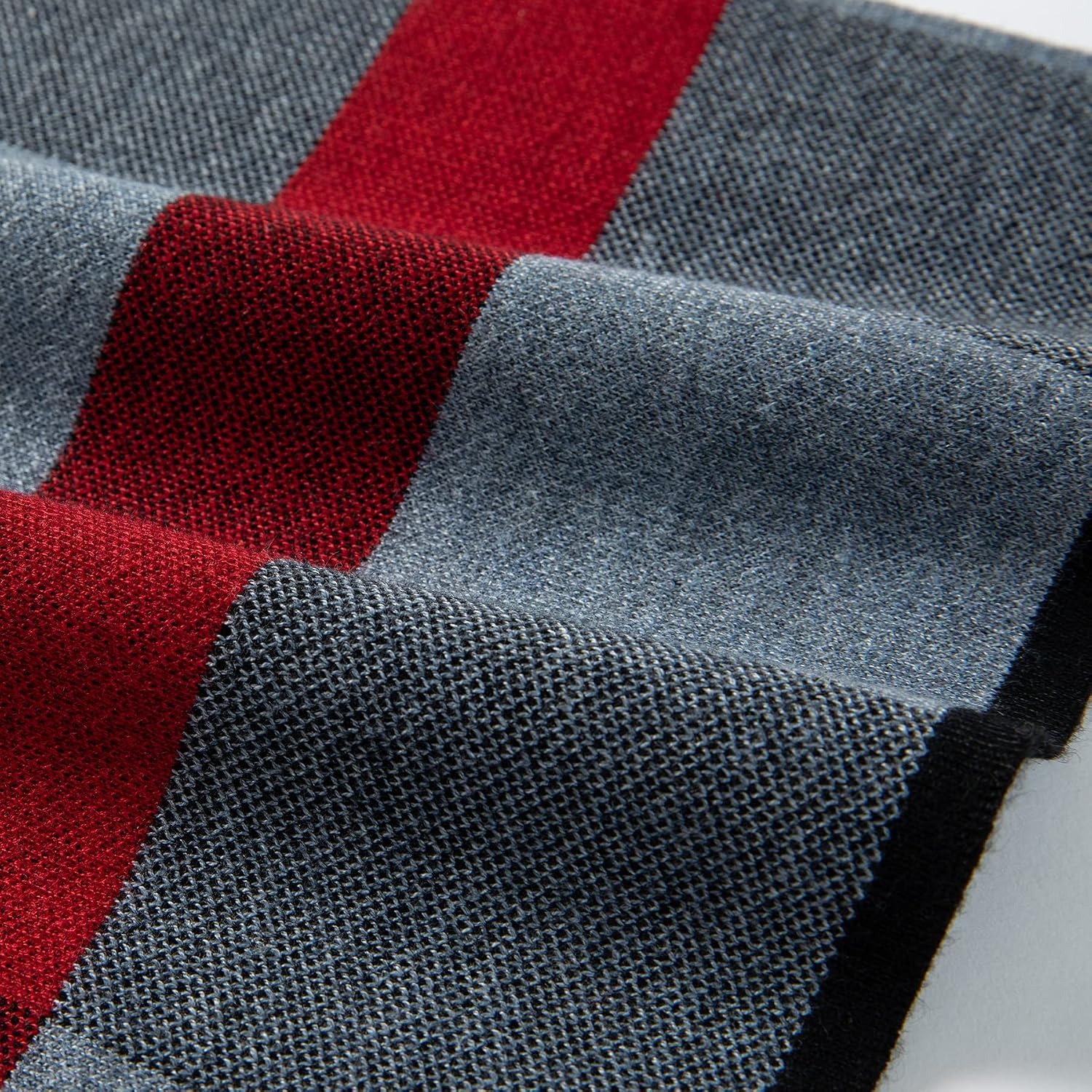
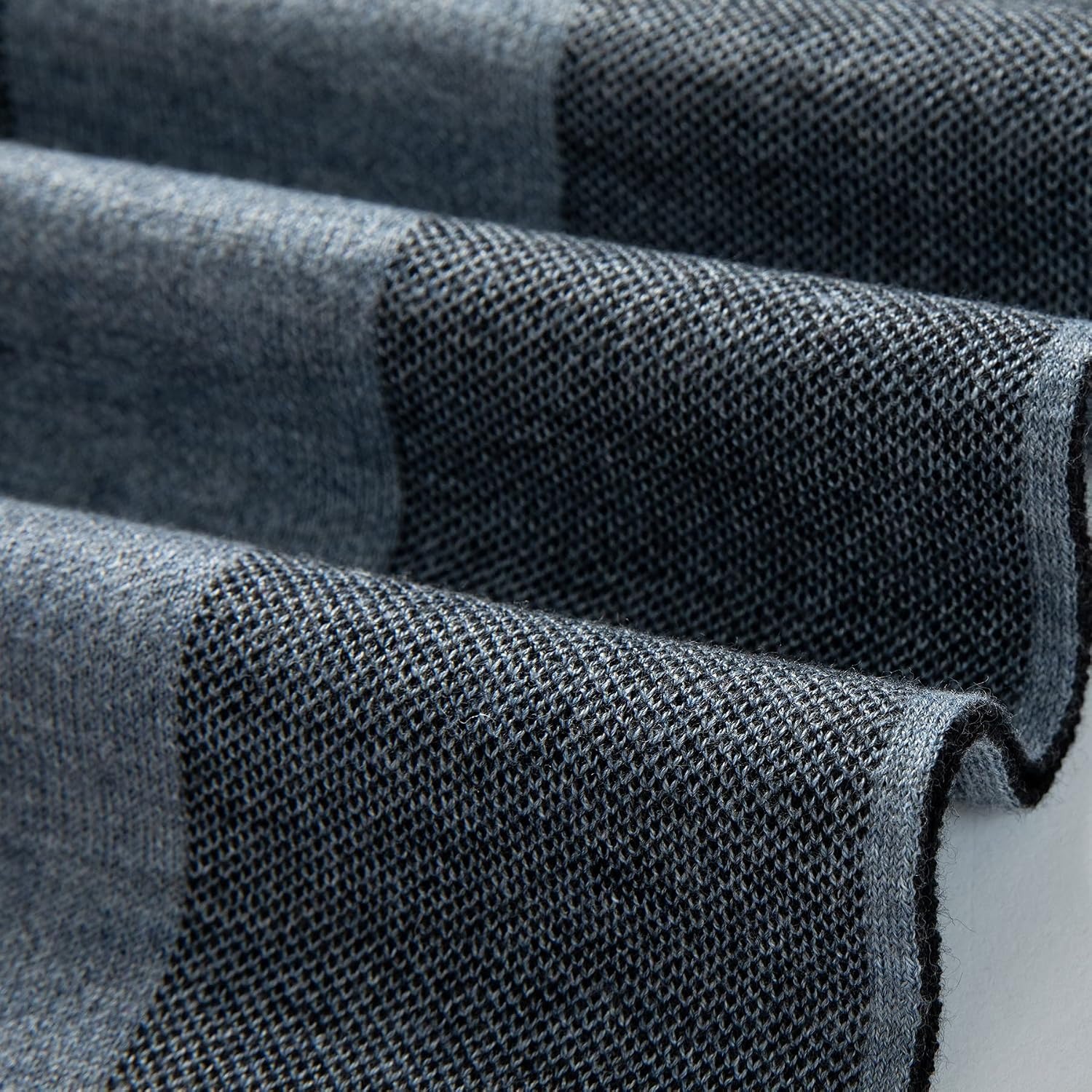
Merino is a type of wool with a much finer fibre than standard wool. Fineness matters for one practical reason. Thick, coarse fibres stand up and press into your skin, which registers as itch. Fine fibres bend instead. That is the whole story behind the "soft wool" claim, and it is why merino shows up so often in base layers and scarves rather than in heavy outer coats.
For a scarf, this is the right fibre. You want something that can sit directly against the neck under an open shirt collar without driving you mad, while still being warm enough to justify wearing.
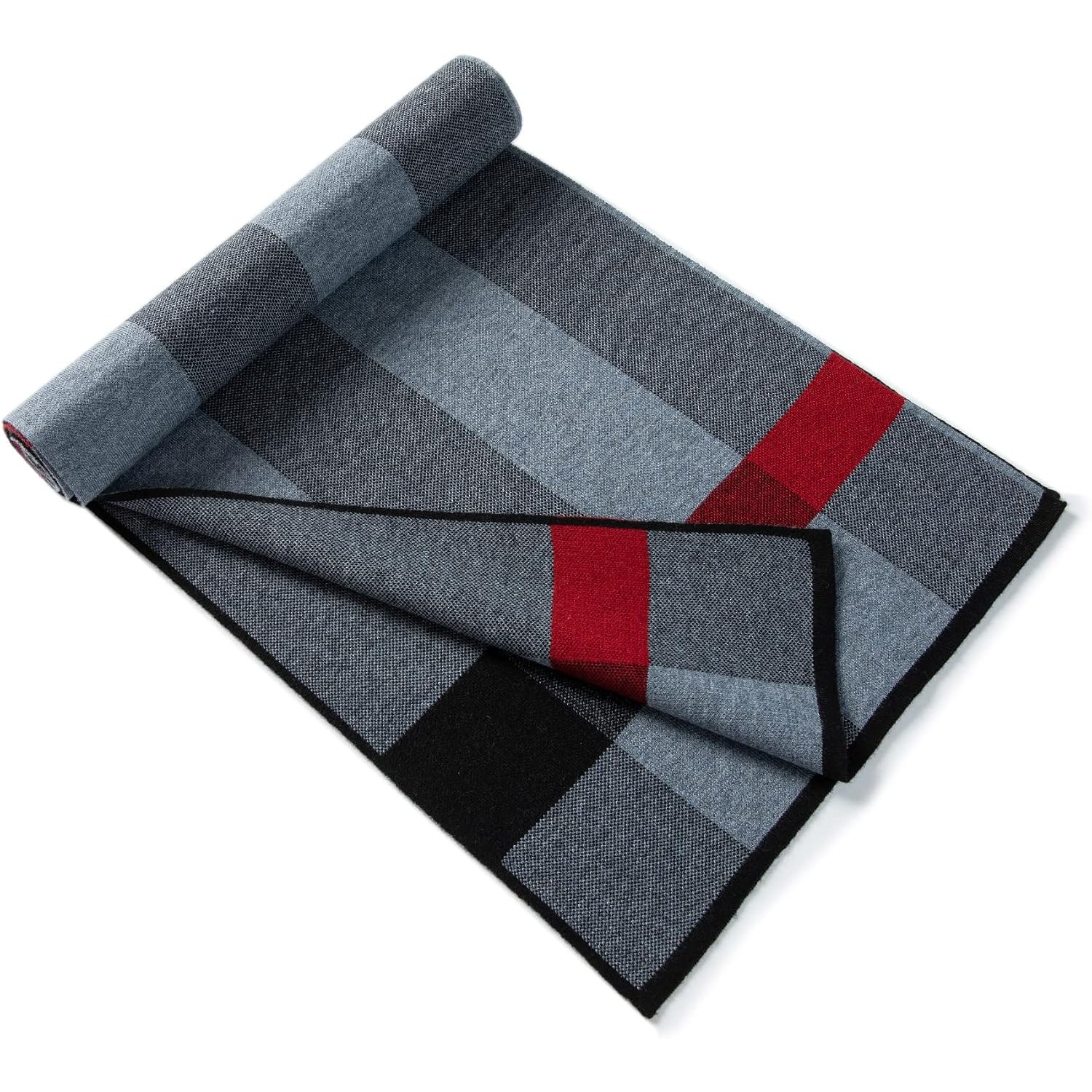
Why tartan plaid still works
Winter wardrobes tend to go dark. Charcoal coat, navy jumper, black boots. It is practical, it hides the weather, and it also gets visually flat fast. A patterned scarf is one of the easiest ways to add something to that without buying a whole new coat.
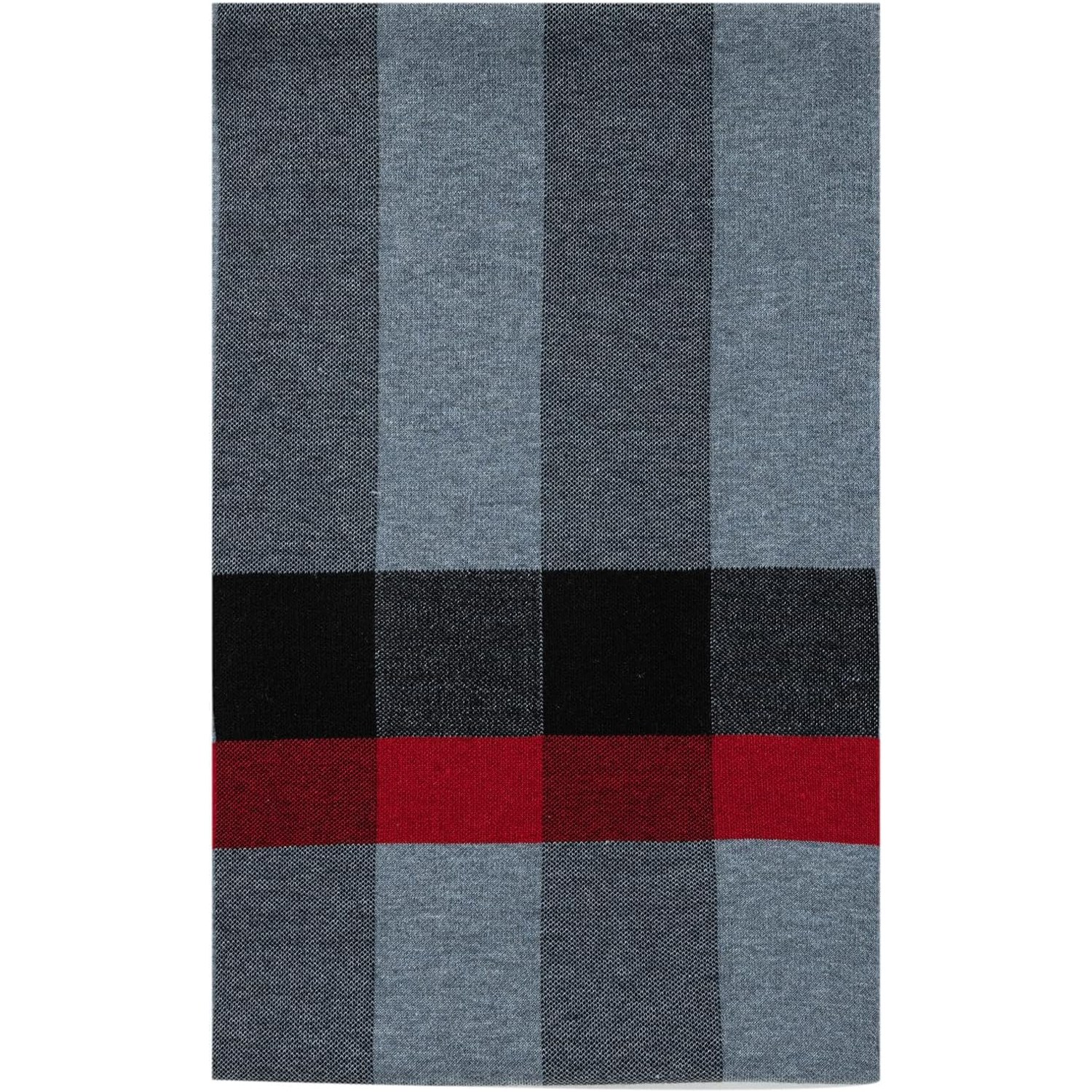
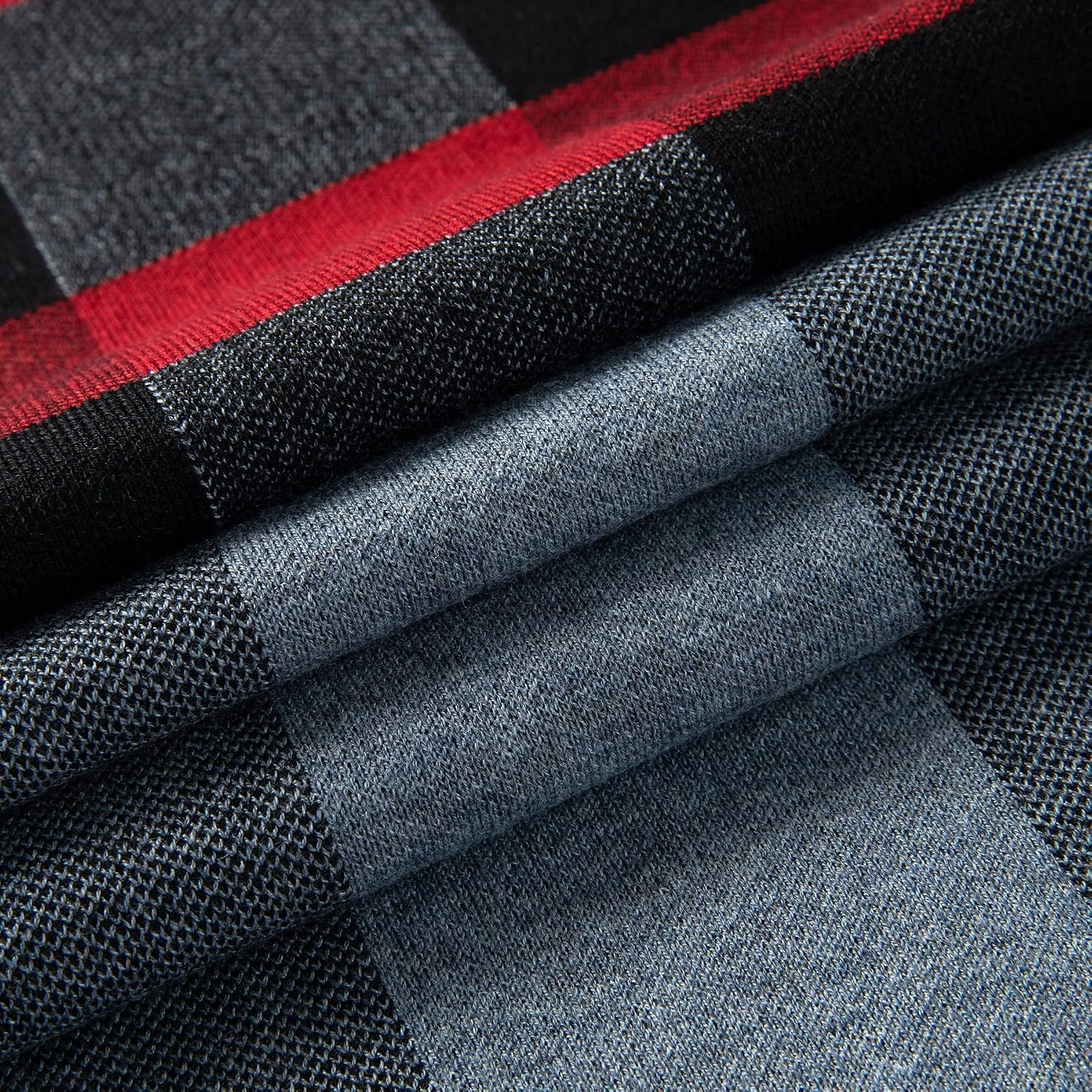
Tartan plaid has stayed in rotation for generations because the grid structure is orderly. It is a pattern with rules, which is why it can sit under a suit jacket without looking like a costume. A busier or more abstract print often cannot do that.
The practical upshot is flexibility. The same scarf can be worn flat and loose under an overcoat for an office day, then wrapped twice over a jumper on the weekend. You get two looks out of one accessory, which is more than you can say for most things in a winter wardrobe.
Who this suits
This is a good match if you want a warm layer that does not look like gym kit. It is for people who walk to work, wait for buses, stand around at winter sport, or just want something at the door for the school run. It also suits anyone buying a gift and wanting to avoid the sizing problem that comes with jumpers and gloves.
It is less suited to anyone who needs waterproof gear. Wool handles damp air well, but a scarf is not rain protection. It is also not the right choice if you need something you can throw in the washing machine every week, because the care instruction here is dry clean only.
How to choose between scarf options
A few things actually matter when comparing scarves, and a few things only sound like they matter.
Fibre is the first. Merino and cashmere both feel soft. Cashmere is softer and lighter again, but it is more delicate and sits at a higher price. Merino handles daily wear, coat collars and bag straps better. If you want the best wool scarf for winter that will get used constantly rather than saved for occasions, merino is the practical pick.
Length is the second. A longer scarf gives you more options, because you can double wrap it and still have ends to tuck. A short one only ever drapes. This scarf is cut as a standard men's layering scarf, though the exact measurements are not listed in this record, so check the label if you need a specific length.
Pattern scale is the third. Large, bold plaids make a statement and are harder to pair with patterned jackets. Smaller, tighter plaids behave more like a texture from a distance and go with more things. If this is someone's only patterned scarf, the more classic the better.
The last thing is presentation, and it only matters if you are giving it away. A boxed scarf saves a trip for wrapping paper and looks finished the moment it leaves your hands.
Wearing it well
Three approaches cover almost everything.
The drape is the simplest. Lay it flat around the back of your neck with even ends hanging down the front, and let the coat hold it in place. This is the look for suits and overcoats, and it takes two seconds.
The single loop is the everyday version. Fold the scarf in half lengthways, put it around your neck, then pull the loose ends through the loop. It sits tidily, does not come undone, and keeps the neck covered.
The double wrap is for genuinely cold days. Take it around twice and tuck the ends inside your coat. It is warmer than the other two and slightly bulkier, which is fine under a parka but awkward under a slim-cut jacket.
One small tip. When you wear a scarf under a coat, put the scarf on first and then the coat. Doing it the other way round leaves the scarf riding up and the collar fighting it all day.
Looking after wool
The care label here says dry clean only. That means no machine washing, no hand washing, no bleach and no tumble drying. Wool reacts badly to a combination of heat, water and agitation, which causes the fibres to lock together and shrink. Once that happens there is no undoing it.
The good news is that wool does not need washing often. It resists odour better than most fibres, so airing a scarf overnight on the back of a chair usually refreshes it. Save the dry cleaning for the end of the season or an actual spill.
For small marks, blot rather than rub, and do not add water. For surface pills along the edges where the scarf rubs against a bag strap, a fabric comb or a pill shaver takes them off cleanly. For storage, fold or roll it flat in a drawer rather than leaving it hanging, and keep it clean and sealed over summer so moths lose interest.
Snags happen with any woven cloth. If a thread pulls, resist the urge to cut it. Ease it back through to the wrong side with a blunt needle and the weave closes up.
Giving it as a gift
Clothing gifts are risky because of fit. Scarves sidestep that entirely. There is no size, no shoulder width and no sleeve length to guess, which is why a scarf ends up on so many lists of safe presents for men.
A tartan plaid in merino is a particularly easy choice because it does not commit the recipient to a trend. It works for a father, a brother, a partner, a colleague or a wedding party. The gift box means it arrives ready to hand over, which matters more than people admit in the week before Christmas.
The short version
A merino wool scarf for men does a specific job well. It seals the gap at your collar, it does so without the bulk of a heavy knit, and the fine merino fibre keeps it comfortable against bare skin. The tartan plaid gives you a pattern that pairs with both a suit and a weekend coat, and the gift box takes care of presentation if you are buying it for someone else.
Treat it right, which here means dry clean only and sensible storage, and it stays in rotation for years. That is a reasonable return on one accessory you reach for every cold morning.