
The complete guide
How to Choose a Linen Look Cushion Cover That Actually Works in Your Room
The problem with tired cushions
Most living rooms have the same quiet issue. The sofa is fine, the rug is fine, but the cushions have gone flat, faded or just dated. Replacing them outright feels wasteful, especially when the inserts inside are still perfectly good. Cushion inserts last for years. The covers are what take the beating, from sun on the window side, from elbows, from spilled coffee and from the washing machine.
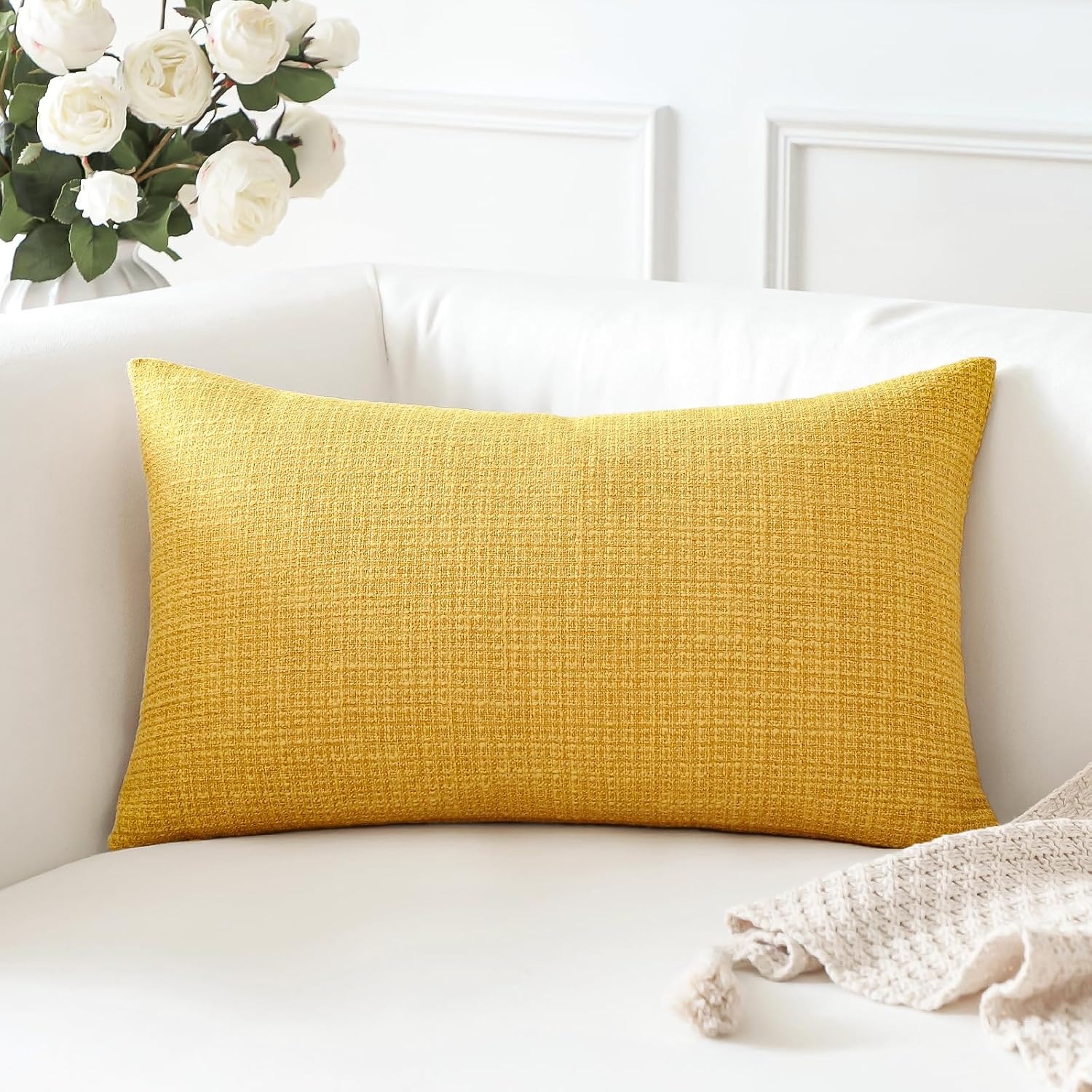
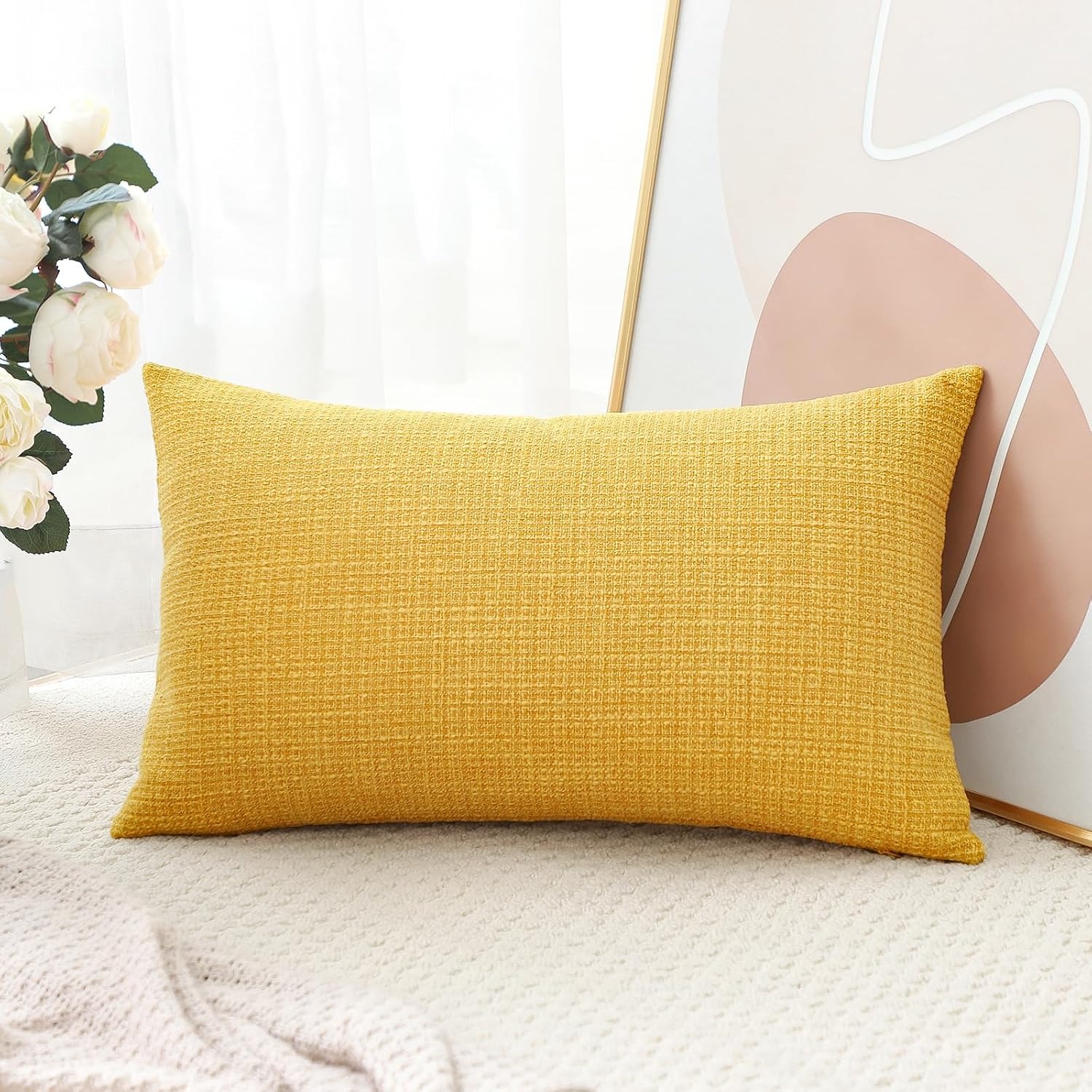
Swapping covers is the cheapest way to change how a room reads. It takes five minutes and nothing else in the room has to move. A plain cushion cover in a linen weave is the version of this that works hardest, because it does not compete with anything. Patterned cushions date quickly and start arguments with your curtains. A solid colour cushion cover with visible texture gives you depth without a design statement you will get sick of.
What "linen look" actually means
This matters, so here it is plainly. This cover is made from polyester fibre woven to resemble linen. It is not pure linen. The maker is clear about that, and we would rather you know up front than find out after unwrapping it.
Linen is a natural flax fibre. It is beautiful, it breathes well, and it wrinkles if you so much as look at it. A linen cushion on a sofa that gets used every evening will be rumpled by Tuesday. Some people love that lived-in look. Plenty of others find it messy.
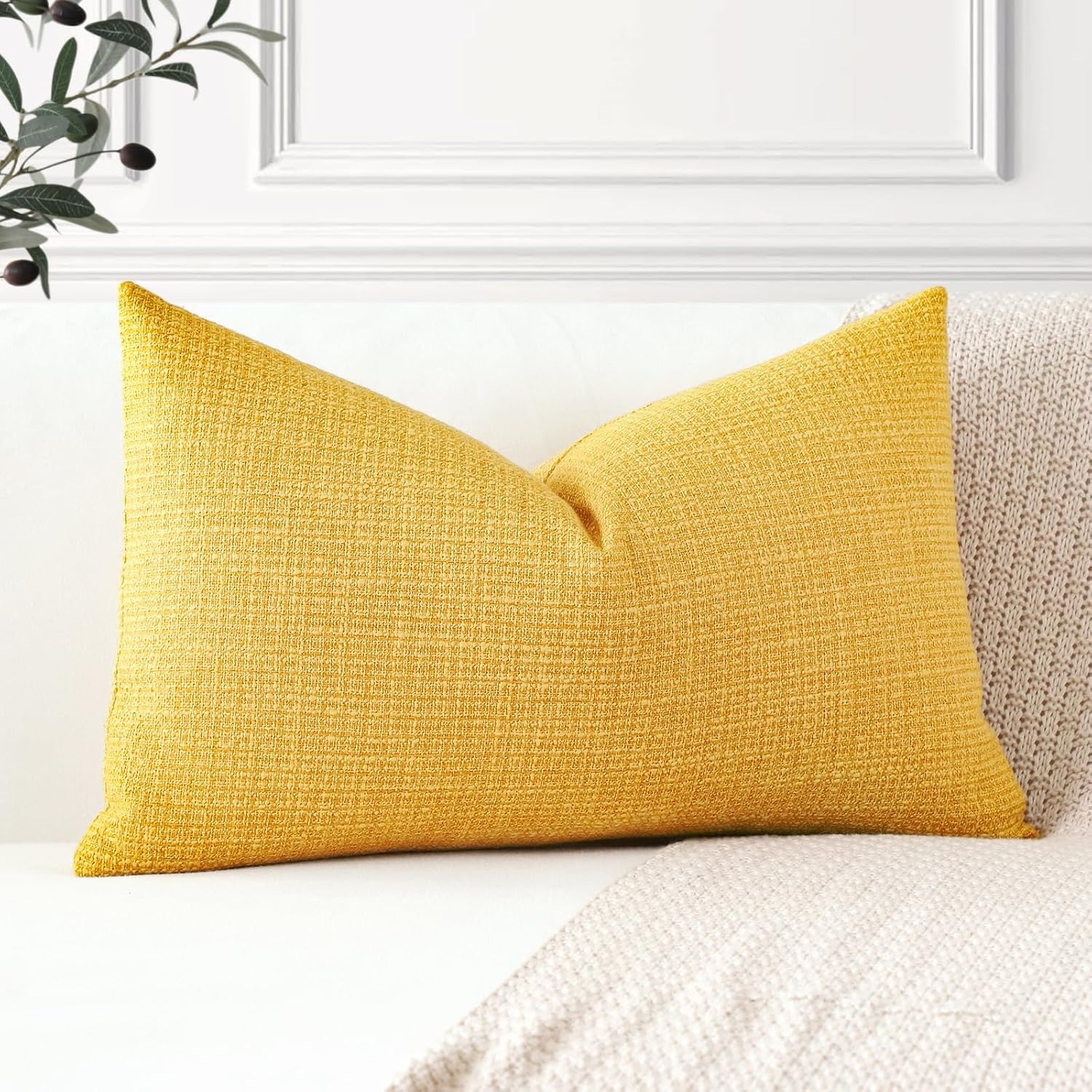
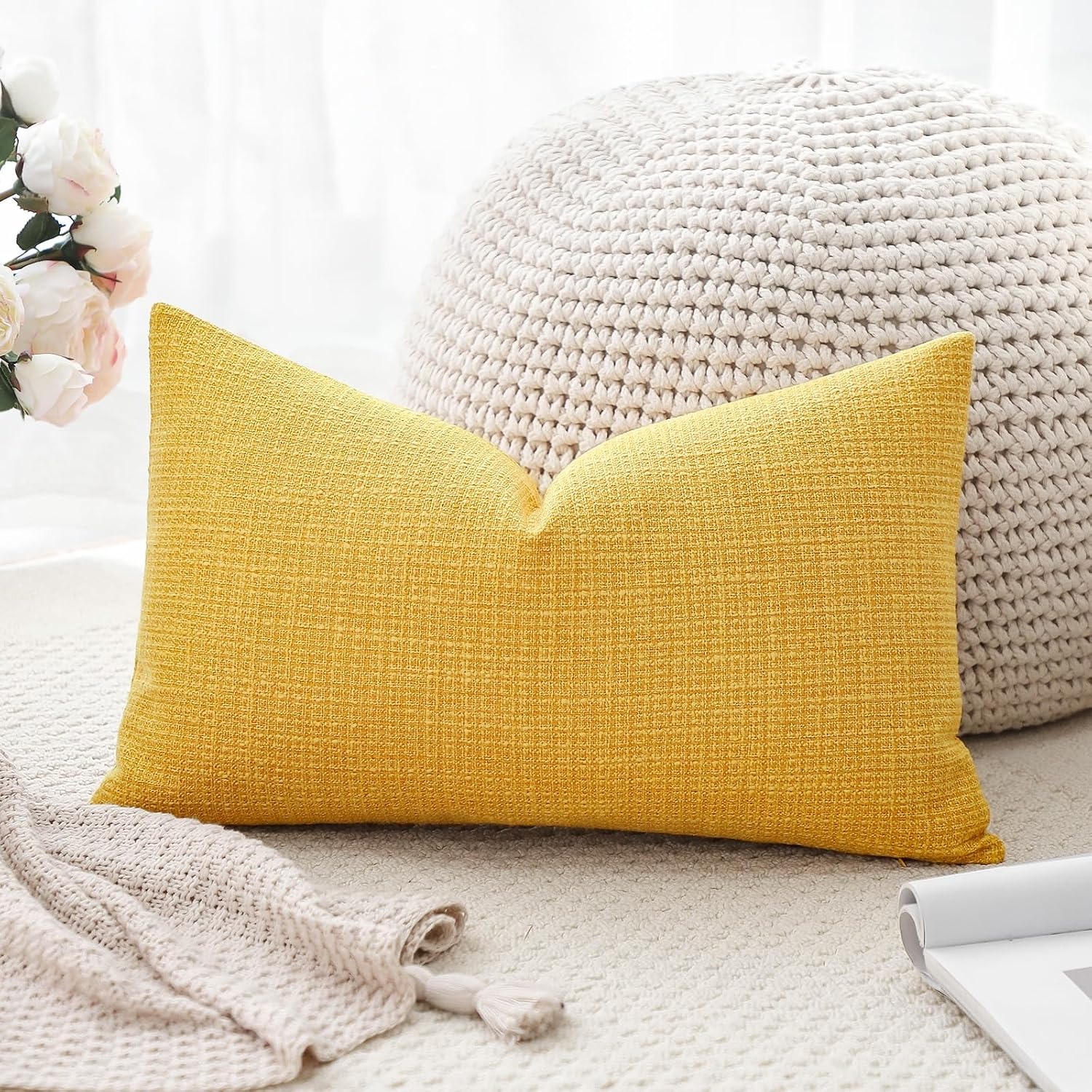
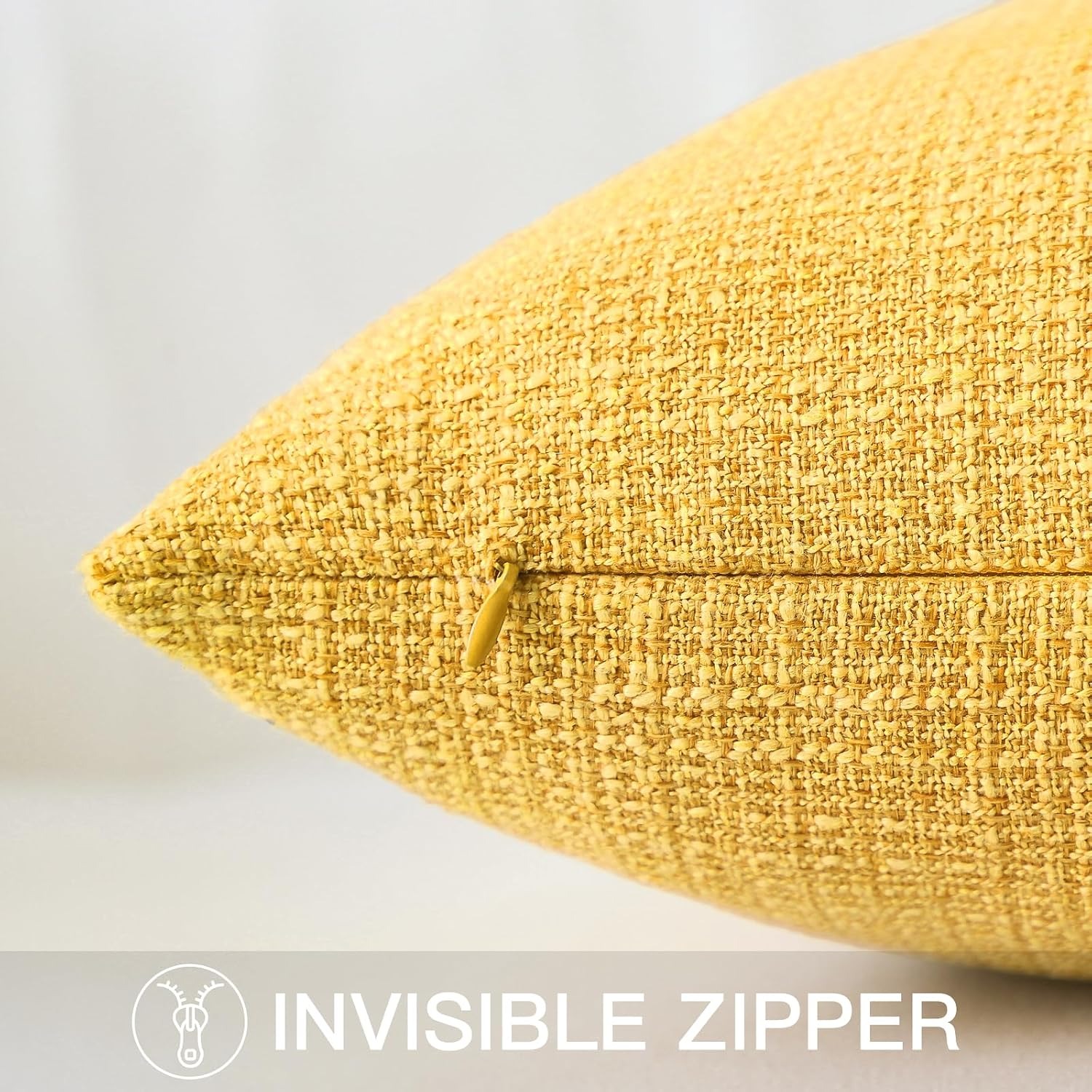
A polyester linen weave cover aims at the middle. The yarn is spun and woven to give that slightly irregular, matte, textured surface that reads as linen from a metre away. The fibre underneath is synthetic, so it holds its shape, resists creasing, and takes a wash without drama. The maker describes the fabric as strong and not easy to lint or wrinkle, with a long service life. That is the trade you are making: a little less natural breathability, a lot less maintenance.
For cushions specifically, this trade usually makes sense. A cushion is not a bedsheet. You are not sleeping against it for eight hours. You want it to look good, hold its shape and survive the wash.
The size and shape question
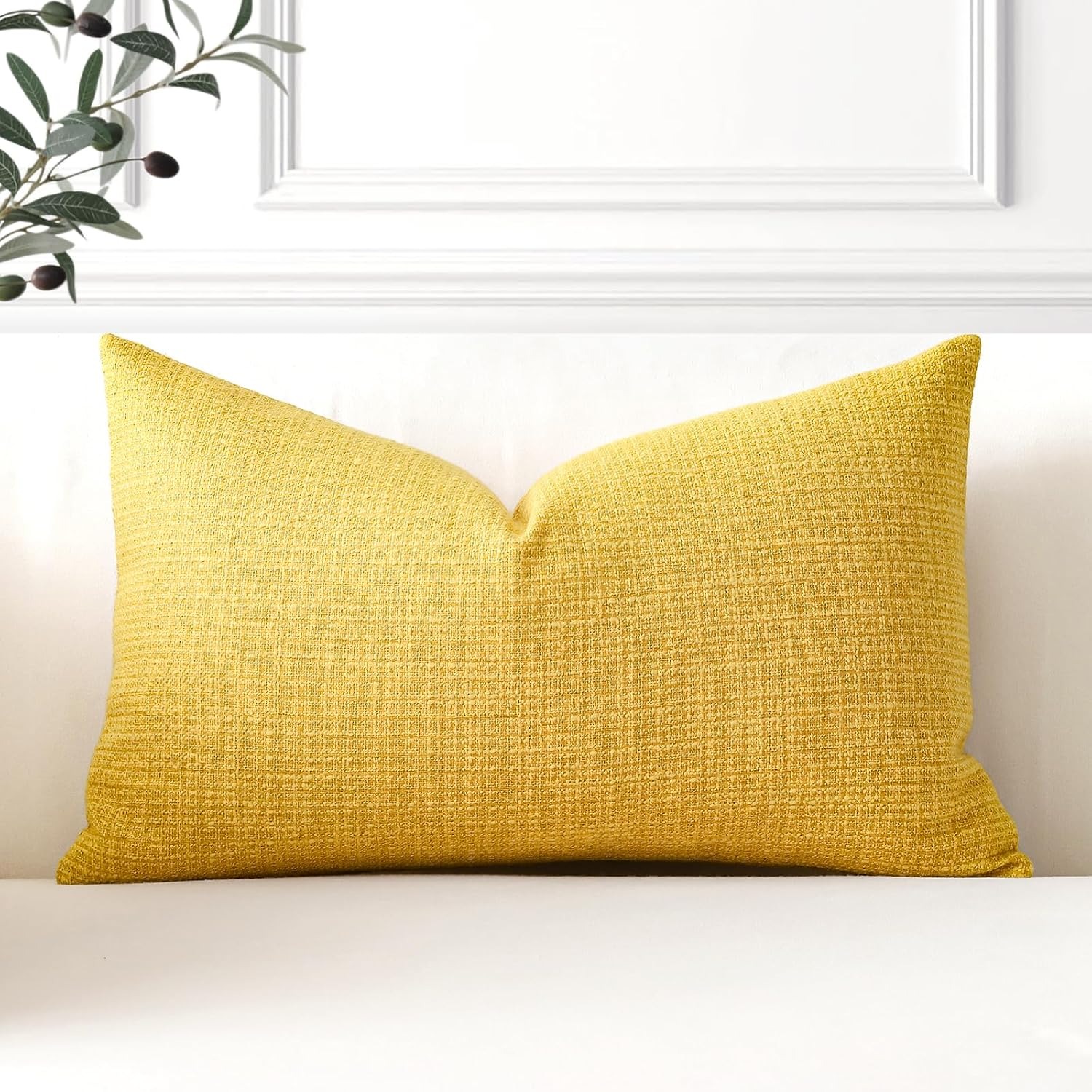
This cover is 40 x 60 cm, about 16 x 24 inches. That is a rectangle, not a square, and the shape changes how you use it.
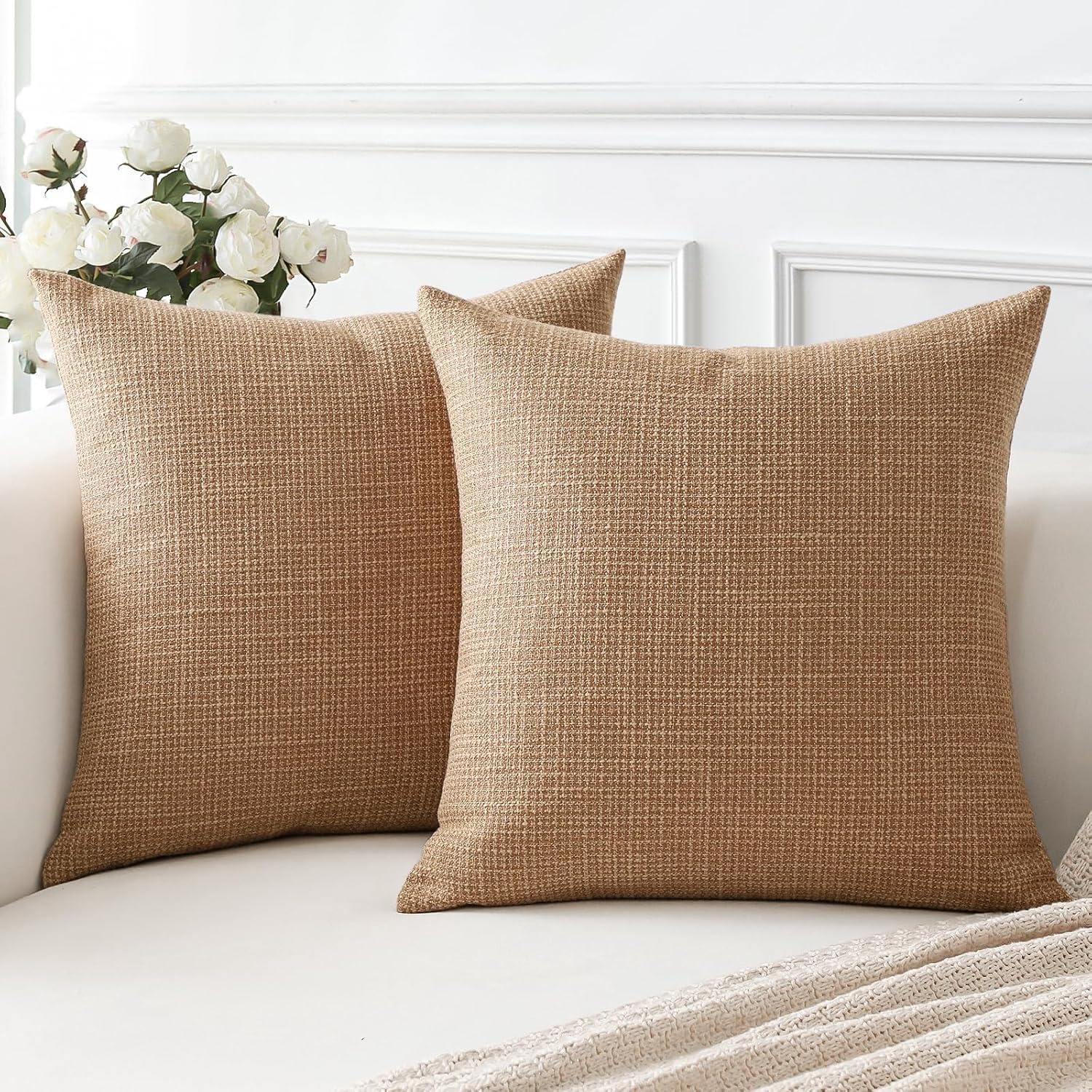
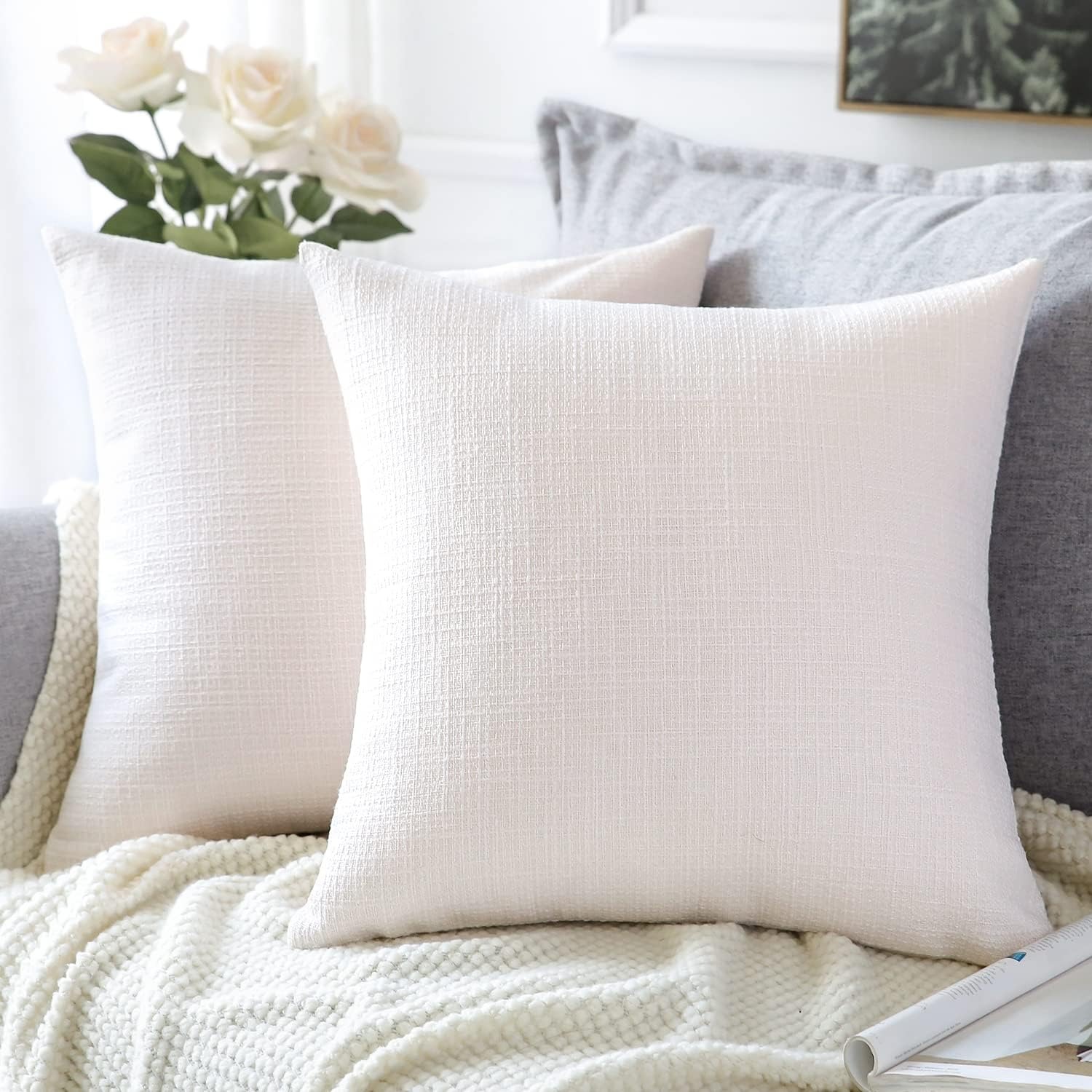
Square cushions, usually 45 x 45 cm, are the default and most sofas end up with a row of them. The trouble is a row of identical squares looks flat and a bit showroom. A rectangular cushion cover in front of them breaks the line. It also sits at the right height for your lower back, which is why this shape is often sold as a lumbar cushion cover.
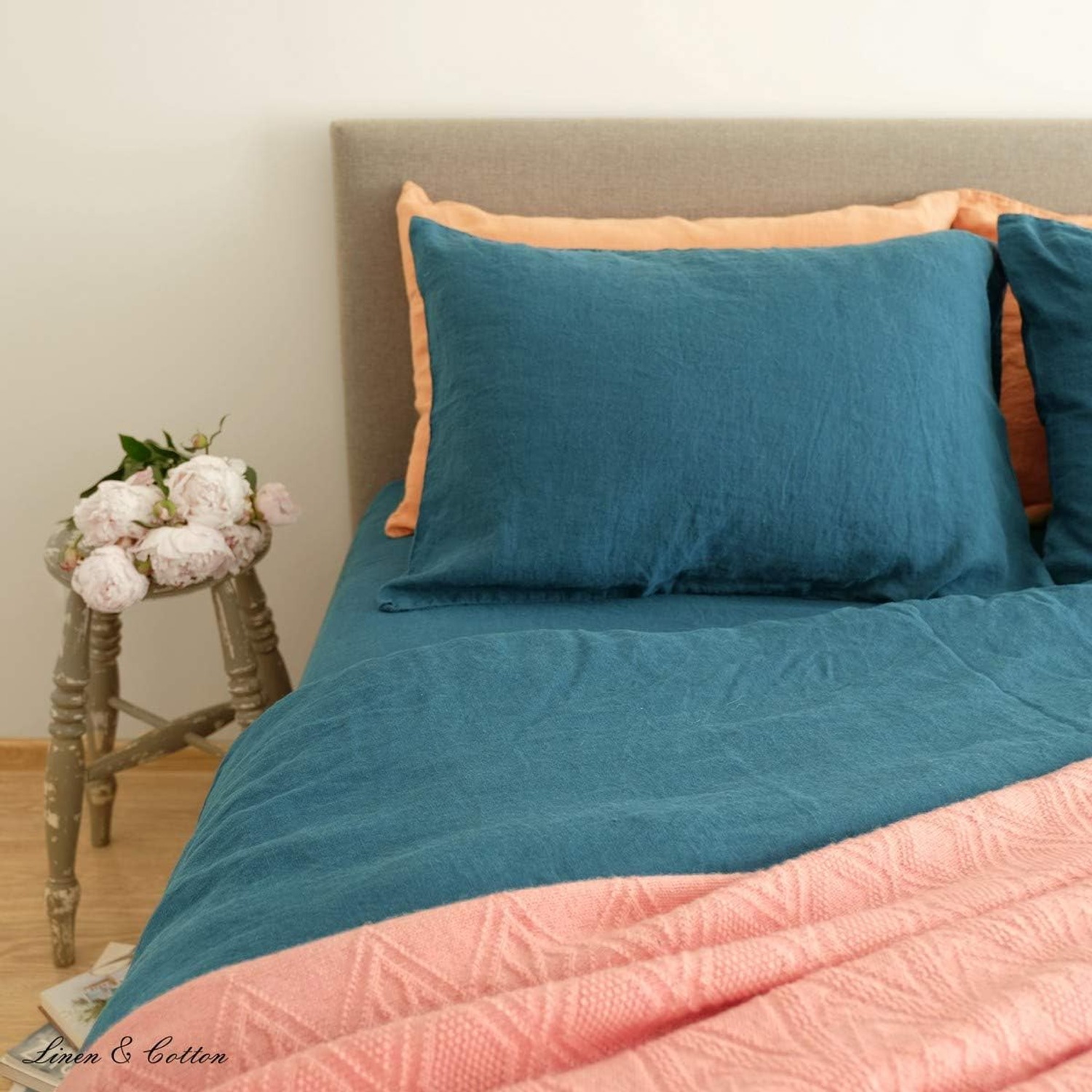
On a bed, the same logic applies. Two square pillows at the back, then a 40 x 60 cm cushion in front, gives you the layered arrangement without needing five decorative pillows. One rectangle does the work of several squares.
One practical note. The measurements are taken by hand, so a difference of one to two centimetres is normal and expected. That is a standard disclosure for textile products and nothing to worry about.
Choosing the right insert
The cover comes on its own. No insert. That is deliberate, and it is why the price works the way it does, but it means you need to think about what goes inside.
If you already own 40 x 60 cm cushions, you are set. Unzip the old cover, pull the insert out, push it into the new one. Done.
If you are starting from scratch, you have two real choices. A feather or feather-blend insert gives a soft, slouchy profile. You can chop the top with the side of your hand and it holds that shape. It is the look you see in interiors magazines. The downside is feathers need plumping and occasionally poke through.
A polyester fill insert holds a firmer, rounder shape on its own. It bounces back after someone sits on it, and nothing works its way out. For a family home or a cushion that gets used hard, this is the easier option.
Either way, consider sizing up. Putting a 45 x 65 cm insert into a 40 x 60 cm cover gives you a plump, well-filled cushion with no sad empty corners. It is a small trick that makes an inexpensive cover look expensive.
Where this cover earns its keep
The obvious spots are the sofa and the bed. But a plain textured cover works in more places than that.
A reading chair benefits enormously from a lumbar cushion, and a neutral cushion cover means it does not look like you dragged a sofa cushion across the room. An office chair gets the same benefit. A bench seat in an entryway, a window seat, a dining chair that people sit on for a long Sunday lunch, all of these are improved by one well-chosen rectangle.
Covered outdoor seating works too, with a caveat. This is an indoor fabric used outdoors, not a purpose-built outdoor cushion cover. Under a verandah roof, out of the rain, it will be fine. Left in full sun and weather for a season, it will fade like any indoor textile. Bring it in when the weather turns and it will keep looking good.
Looking after it
The care routine is short. Machine wash in cold or warm water, gentle cycle, with similar colours. No bleach. That is the whole instruction set.
Two habits make a difference. First, take the insert out before washing. Washing a cushion whole soaks the fill, takes days to dry and can leave a musty smell. Second, zip the cover closed before it goes in the drum. An open zip snags on other items and the slider can get bent out of line.
For drying, low heat in the dryer or a shaded line both work. Polyester dries quickly either way. Direct hot sun will fade colour over repeated washes, so the shade is worth the extra half hour.
If a crease sets in after washing, a low iron or a pass with a steamer sorts it. Most of the time the fabric settles on its own once the insert is back inside and the cushion has been sat on a few times.
Buying more than one
This listing is a single cover. If you are dressing a three-seat sofa, think about how many you actually need before ordering. Two rectangles at either end, with squares in the middle, is a common and tidy arrangement. Three rectangles in a row reads as deliberate on a longer sofa.
There is also a strong case for buying one spare. Having a second cover in rotation means one can be in the wash while the other is on the sofa, and the pair wears evenly over time rather than one cover taking all the use.
The short version
This is a single 40 x 60 cm cushion cover, made from polyester fibre woven to look like linen, with a hidden zip that matches the fabric. No insert included. It washes in cold or warm water, resists creasing and lint according to the maker, and comes in a plain solid colour that gets along with almost anything.
If you want the look of a linen cushion without the ironing, and you already have inserts sitting in flat, tired covers, this is a straightforward fix. Size your insert to match or go slightly larger for a fuller shape, keep it out of permanent direct sun, and wash it gently. That is all it asks.