
The complete guide
How To Choose A Ceramic Vase That Actually Gets Used
The problem with most vases
Plenty of people own vases they never use. The vase is too wide, so a small bunch of flowers slumps against the sides and looks sad. Or it is too short, so anything with a long stem tips forward. Or it is a colour that only works with one particular bunch of flowers, which means it sits in a cupboard eleven months a year.
A vase earns its spot by being flexible. It should look good with ten dollars of supermarket flowers, with a handful of dried grasses, and with nothing in it at all. That is a higher bar than it sounds, and it comes down to three things: height, opening width, and colour.
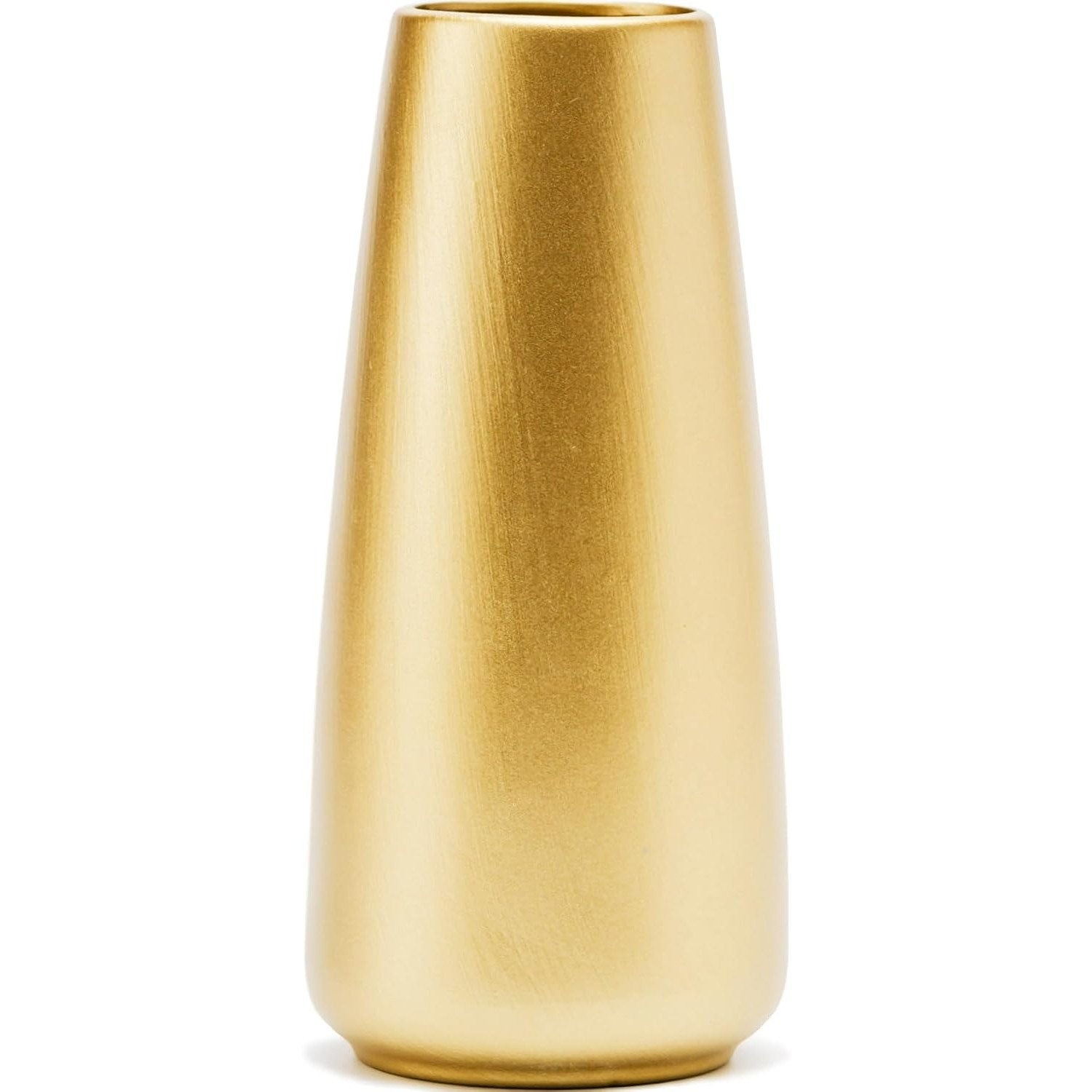
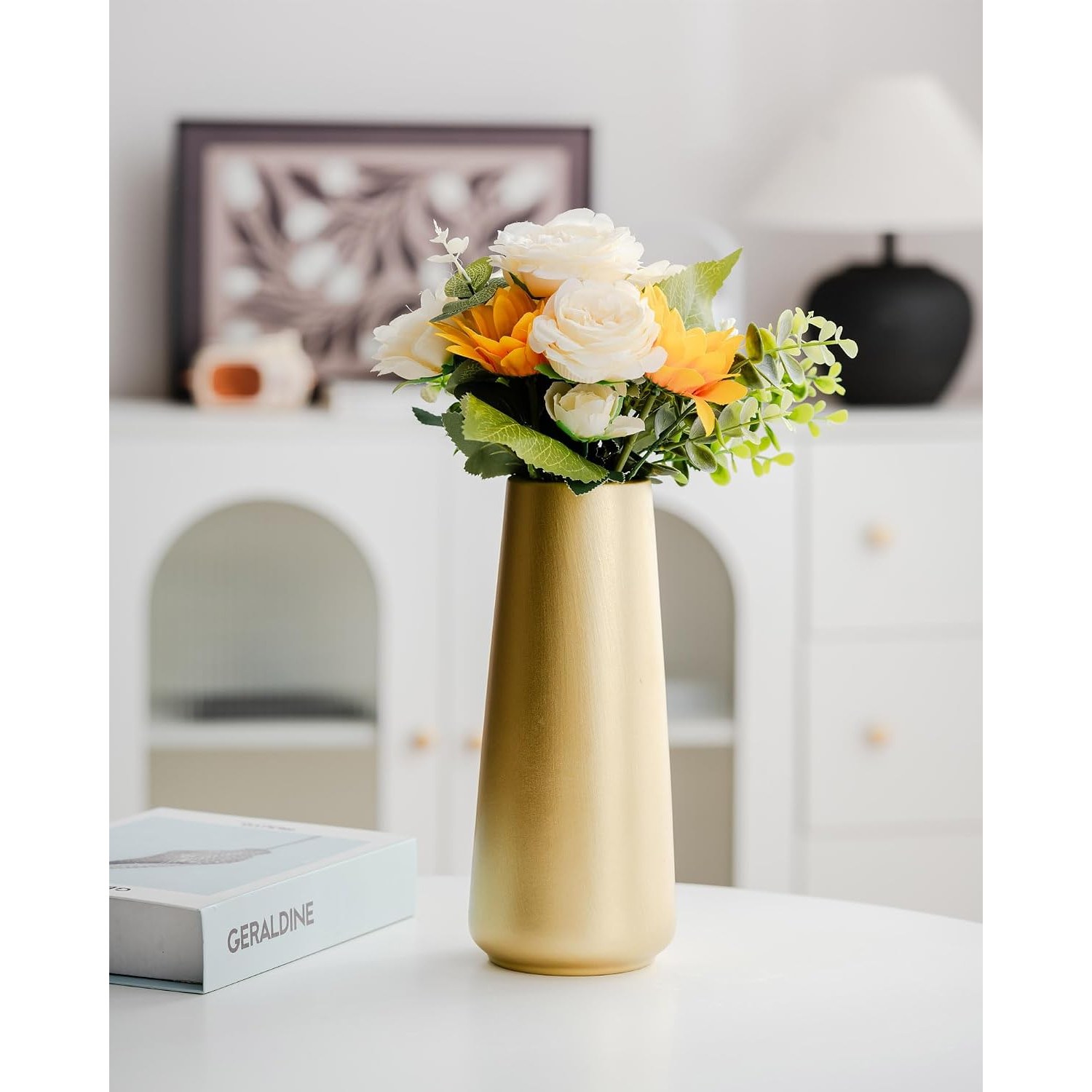
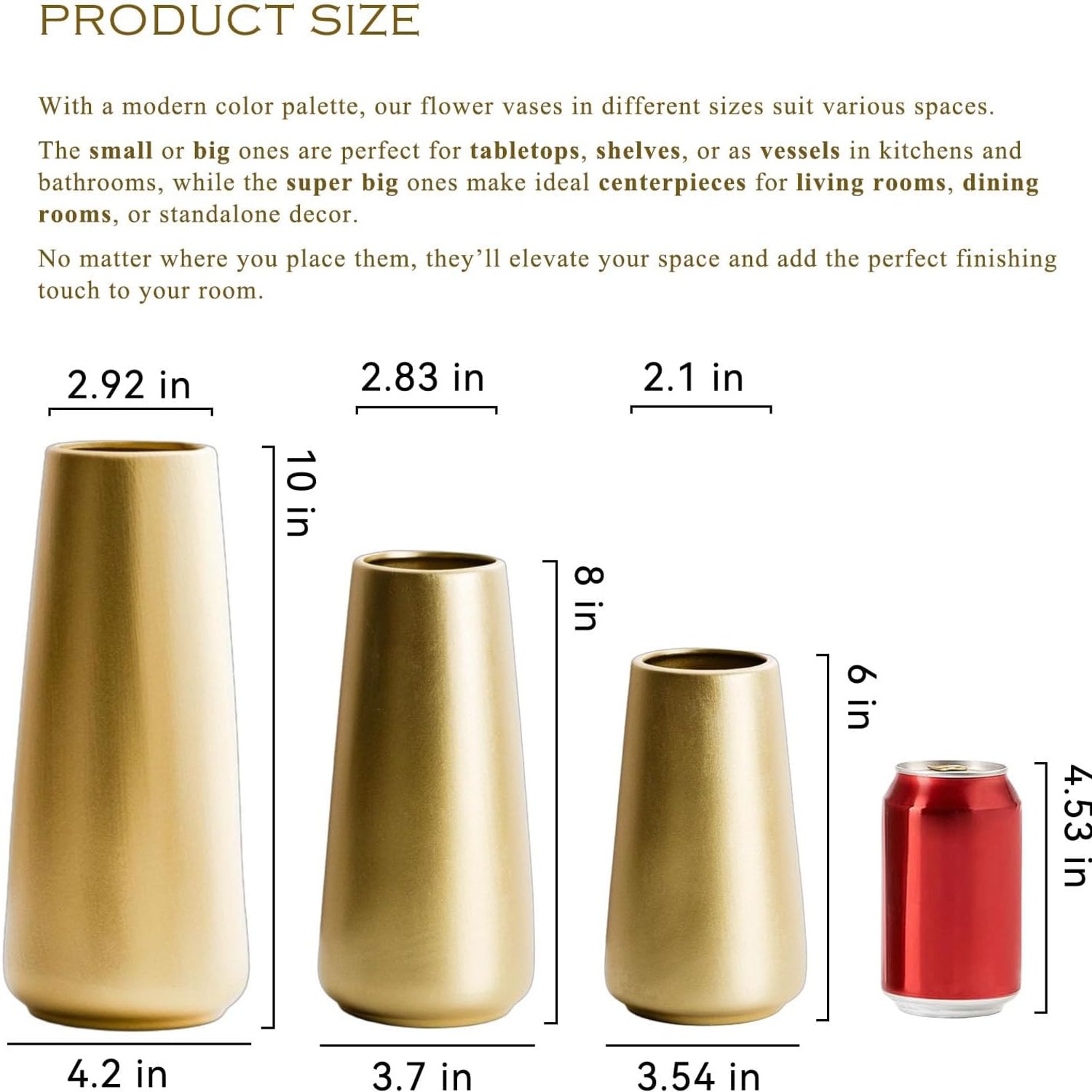
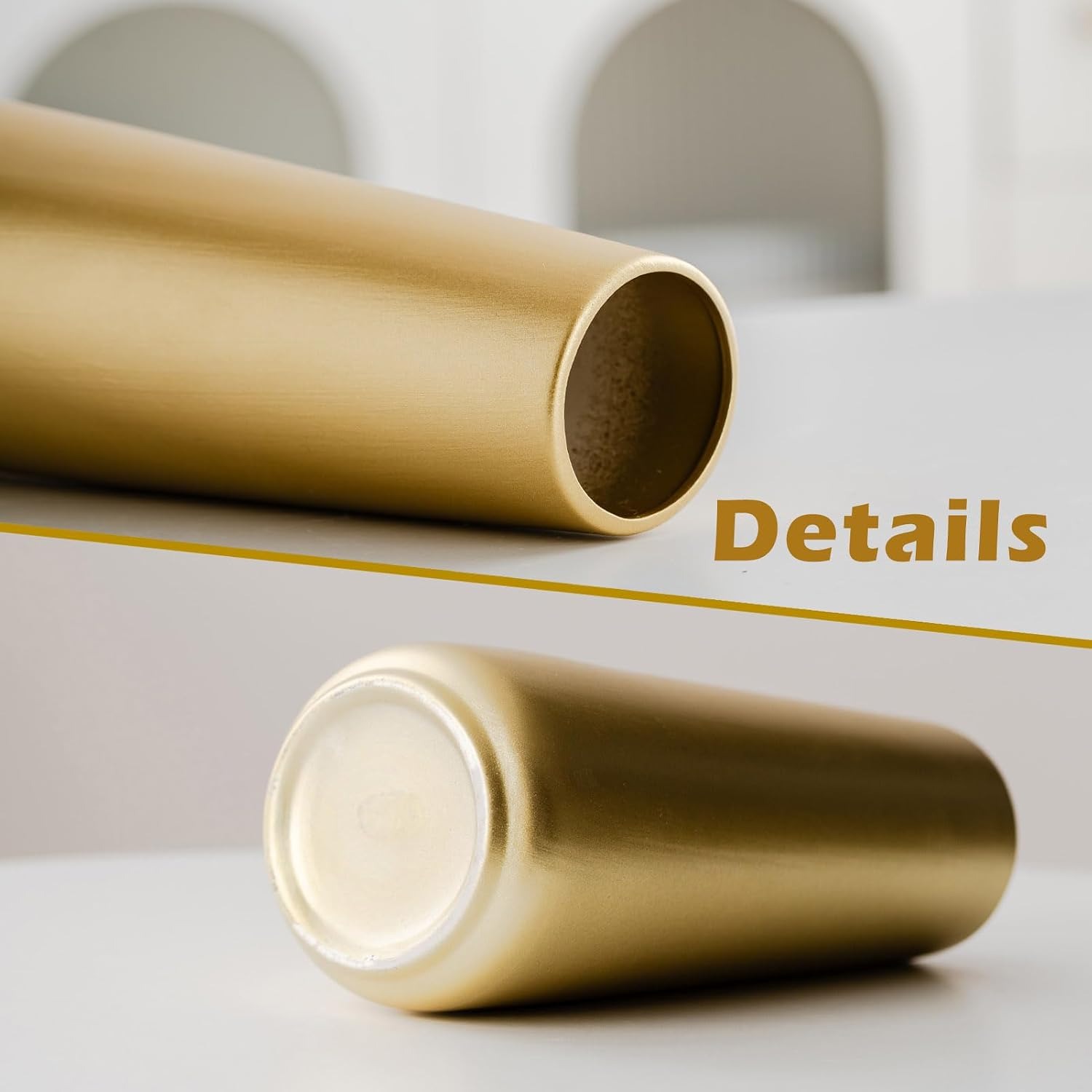
This light gold ceramic vase is built for that middle ground. At 25 cm it is useful across most rooms, and the soft gold glaze sits next to almost anything without a fight.
Why 25 cm is a practical height
Height is the first thing to get right, and it is the thing most people guess wrong.
A rough rule used by florists is that your arrangement should finish at about one and a half to two times the height of the vase. So a 25 cm vase suits stems that end up around 38 to 50 cm tall. That is the natural length of most supermarket bunches, garden roses, tulips, eucalyptus and dried grasses. You barely have to trim.
It also behaves on a dining table. Anything above about 30 cm starts getting in the way of people talking across a table, and guests end up leaning sideways around it. At 25 cm you get presence without the obstruction. Shift the same vase to a sideboard or a hall console and it reads taller, because it is sitting at a different eye level.
On a shelf, 25 cm is enough to break up a run of books without crowding the shelf above. If you are styling open shelving, this is about the sweet spot for a single accent piece.
How a glazed ceramic vase works
Ceramic starts as clay, gets shaped, then goes through a firing. A glaze is applied and fired again, which fuses a hard, glassy layer onto the surface. That glaze is what makes the vase hold water without seeping, and it is what gives the finish its colour and feel.
Two practical results follow from that. First, you can use the vase wet or dry, so fresh flowers one week and dried stems the next. Second, the surface is easy to wipe clean but it can be dulled by harsh chemicals and scratched by abrasive pads. Mild soap and a soft cloth keeps a glaze looking the way it did when it arrived.
The other thing worth knowing is that ceramic is heavier than glass of the same size, which helps with stability. A vase that stays put when you brush past it is a vase that lasts.
Who this suits
If you buy flowers regularly, this is an everyday workhorse. It handles a standard bunch with almost no trimming and it looks like something rather than nothing when it is empty.
If you never buy flowers, it still works. Dried stems and faux greenery sit in it for months with no maintenance beyond a dust. People hunting for the best vase for faux stems usually want exactly this profile, something with enough weight at the base that tall artificial branches do not tip it over.
It suits renters, because it changes a room without touching a wall. It suits people in small apartments, because it takes up almost no floor or bench space. And it is a reliable gift, which is why it keeps turning up on lists of the best gold home decor accent for housewarmings.
Where it is less ideal is a home with a cat who patrols benchtops, or a household with toddlers at grabbing height. Ceramic and gravity do not get along. Put it somewhere high and stable in those situations.
Choosing the right colour tone
Gold is a broad word. There is bright, mirror-finish gold that behaves like a metal, and there is soft, warm, muted gold that behaves like a neutral. This one is the second kind.
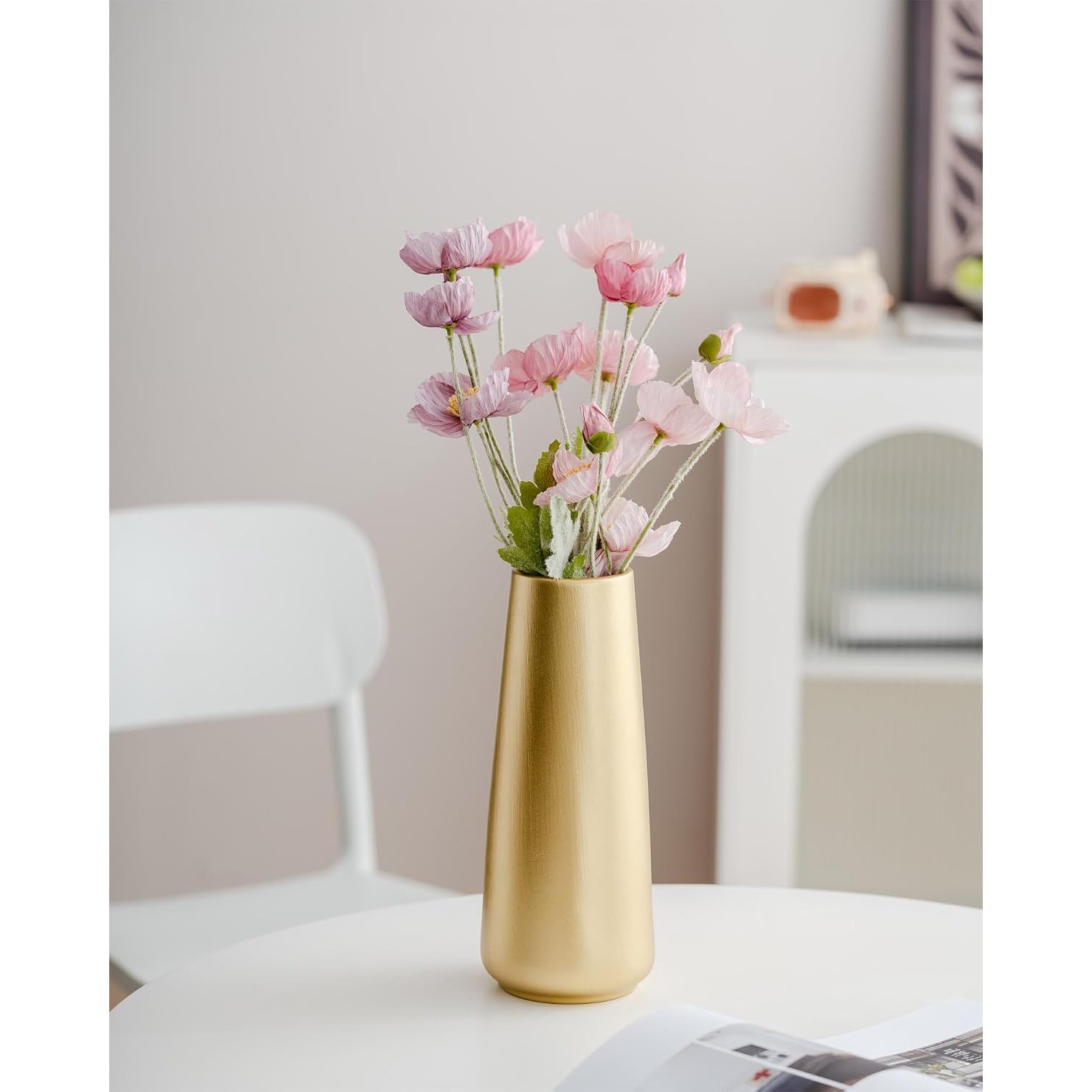
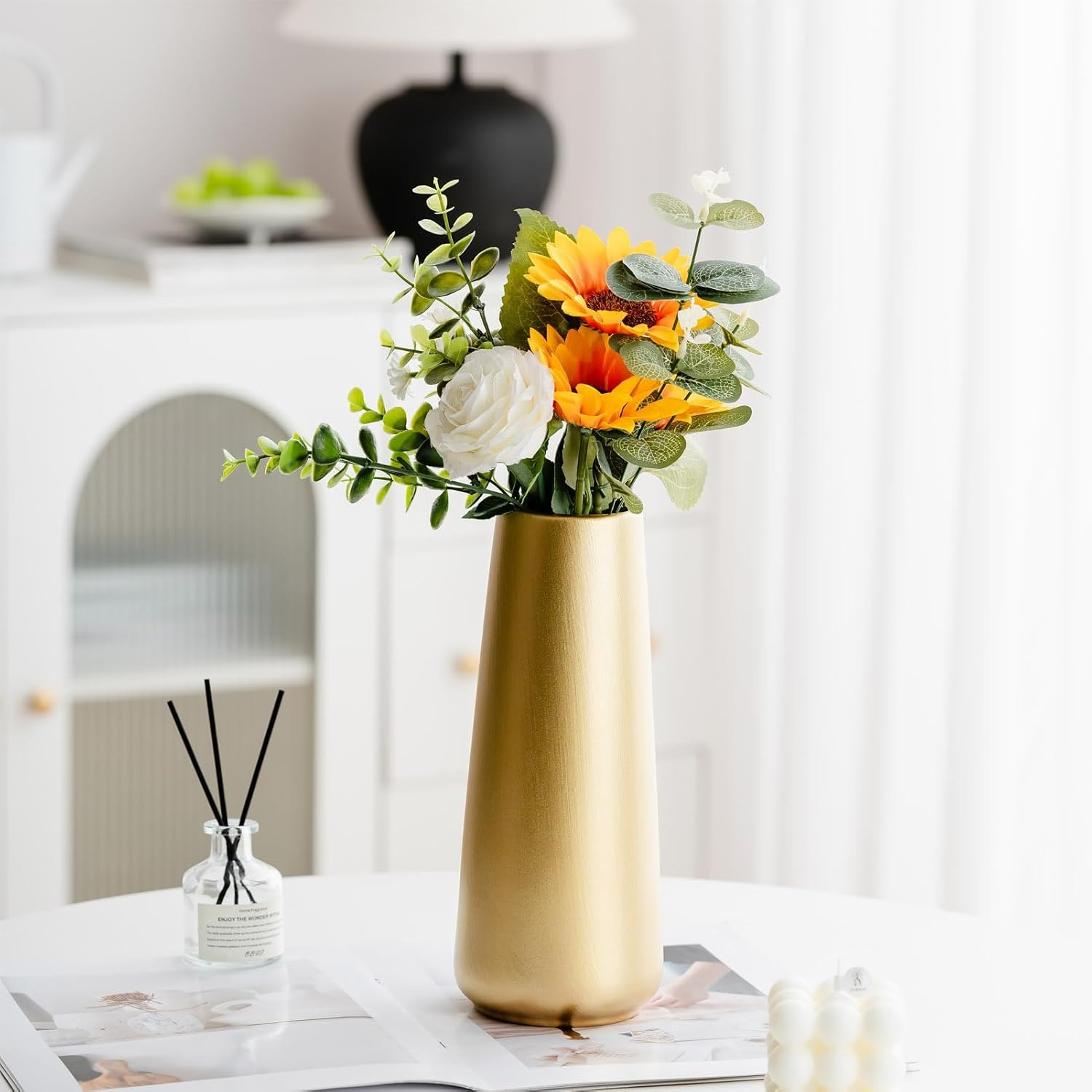
That matters because muted gold is far easier to live with. It picks up warmth from lamps and late afternoon sun, and it sits comfortably against oak, walnut, rattan, white ceramic, black metal frames and linen upholstery. It also softens rooms that lean cool and grey, which is a common problem in apartments with north-facing windows in the southern hemisphere, or south-facing ones in the north.
If your room already has brass tapware, gold light fittings or warm timber, this ties into that without matching it exactly. Matching metals perfectly is not a goal worth chasing. A close family is enough.
Styling it in practice
Start with one stem type rather than a mixed bunch. Five stems of eucalyptus, or three branches of something with interesting shape, or a tight bunch of a single flower colour. Mixed supermarket bunches tend to look busy in a slim vase.
Cut on an angle, strip any leaves that would sit below the waterline, and let the arrangement settle for a few minutes before you fuss with it. Flowers find their own position.
For grouping, odd numbers work but so does a simple pair. If you want the best neutral vase for shelves to carry across a room, put one on the mantel, one on a side table and one in the hall. Repetition reads as intentional.
In a bedroom, keep it simple. A single branch or a few dried pieces on a dresser is enough. The best minimalist flower vase arrangements usually involve less material than people expect.
Looking after it
Hand wash only, with warm water and a small amount of mild dish soap. Dry it with a soft cloth so you do not get water spots on the glaze.
If you use it for fresh flowers, rinse it between bunches. Plant matter and hard water leave a film inside that gets harder to shift the longer you leave it. A soak with warm water and a splash of white vinegar handles most of it, followed by a soft bottle brush.
Keep it away from the dishwasher, the microwave and the oven. None of those are designed for decorative glazed ceramic.
Place it on a flat surface, back from the edge of benches and tables. When it is full of water, lift it with two hands rather than one hand on the neck.
Gifting it
Vases are one of the few homewares you can give without knowing much about someone's taste. There is no size to get wrong, no scent to guess, and no style commitment. A neutral gold vase lands well at housewarmings, weddings, birthdays and thank-yous.
If you want to lift the gift, pair it with a bunch of dried stems so it arrives looking finished rather than empty. That small addition turns a nice object into a complete thing.
The short version
A vase is only good if you use it. This one is 25 cm tall, which suits most standard bunches with almost no trimming, and short enough to work on a dining table. The glazed ceramic body holds water, so fresh flowers, dried grasses and faux stems are all fair game. The soft gold tone leans neutral, which means it works with timber, white, black and linen rather than demanding a specific colour scheme.
Hand wash it, keep it off the edge of the bench, and it will keep doing its job for years. If you are after one accent piece that quietly improves a room, this is a sensible place to start.