
The complete guide
How to Choose Merino Wool Socks for Women
The problem with cold feet
Cold feet are rarely about the temperature outside. They are usually about the sock. Cotton socks soak up moisture from your skin and then hold onto it, which is exactly the wrong thing to do when the air turns cold. Damp fabric pulls heat away from your foot far faster than dry fabric does. You can be wearing a thick cotton sock and still feel like you are standing on a tile floor.
Synthetics have the opposite problem. They dry quickly but they do not hold warmth well on their own, and they tend to get smelly after a single wear because bacteria thrive on them. So you end up in a frustrating middle ground, where your choices are a sock that is warm but damp or a sock that is dry but cold and needs washing every day.
Wool solves most of this, which is why it has been the standard sock material for a very long time. The catch is that ordinary wool is coarse enough to feel scratchy against the thin skin of the foot and ankle. Merino is the version of wool that fixes the scratch.
What makes merino different
Merino fibres are much finer in diameter than regular wool. When a fine fibre touches your skin it bends rather than holding firm, so you feel softness instead of prickle. That one physical difference is the entire reason merino took over the wool clothing market.
The warmth comes from the structure of the fibre. Wool is naturally crimped, so when it is knitted into a sock it traps a lot of still air. Still air is a very good insulator. At the same time wool absorbs moisture vapour into the core of the fibre and moves it away from your skin, so your foot feels dry even when it is working. That combination, warm and dry at once, is hard to get from any single synthetic.
There is a practical bonus too. Wool resists odour naturally, which means you can wear a pair twice before washing without any unpleasantness. For a three-pair set, that is the difference between enough socks for a week and enough for three days.
Why the blend matters
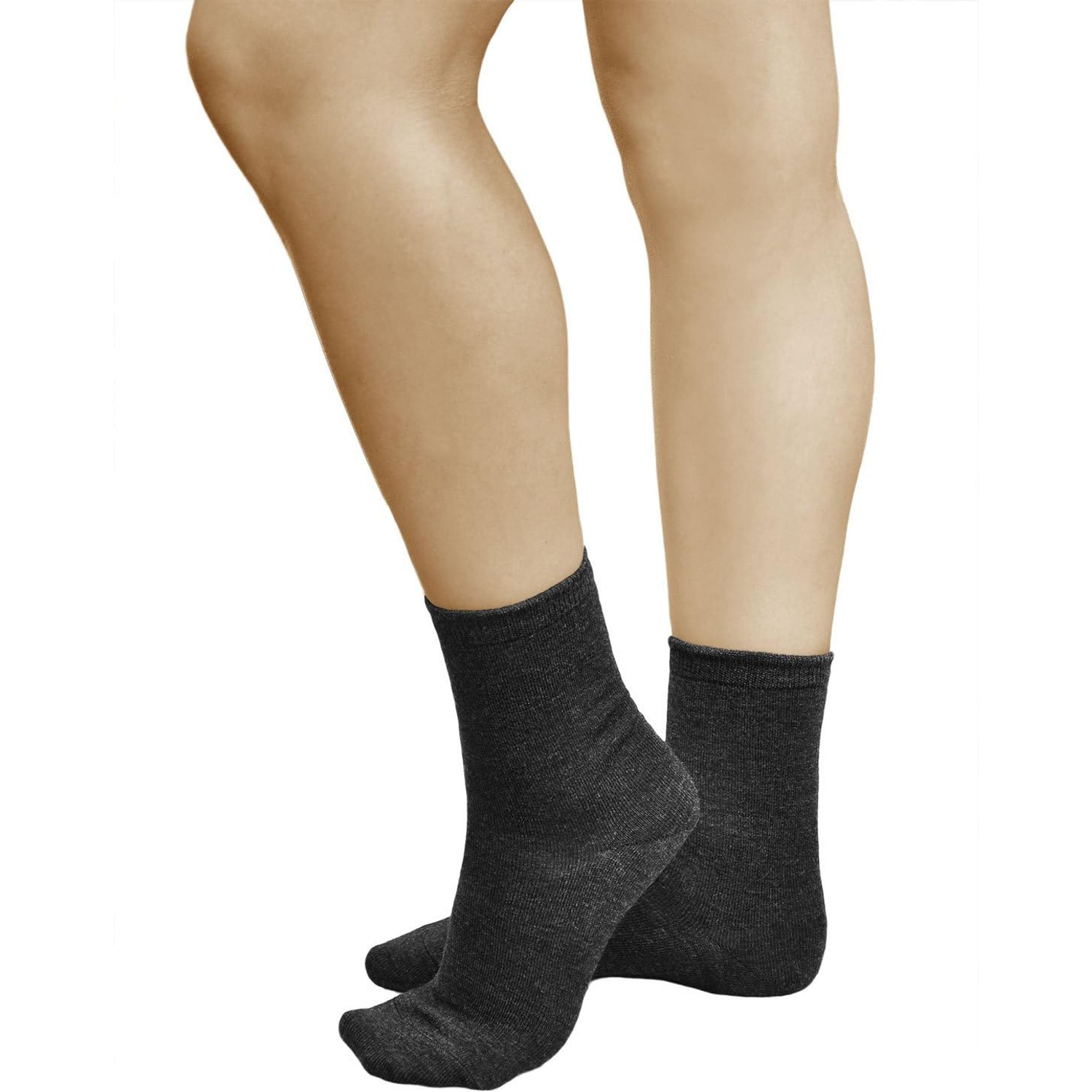
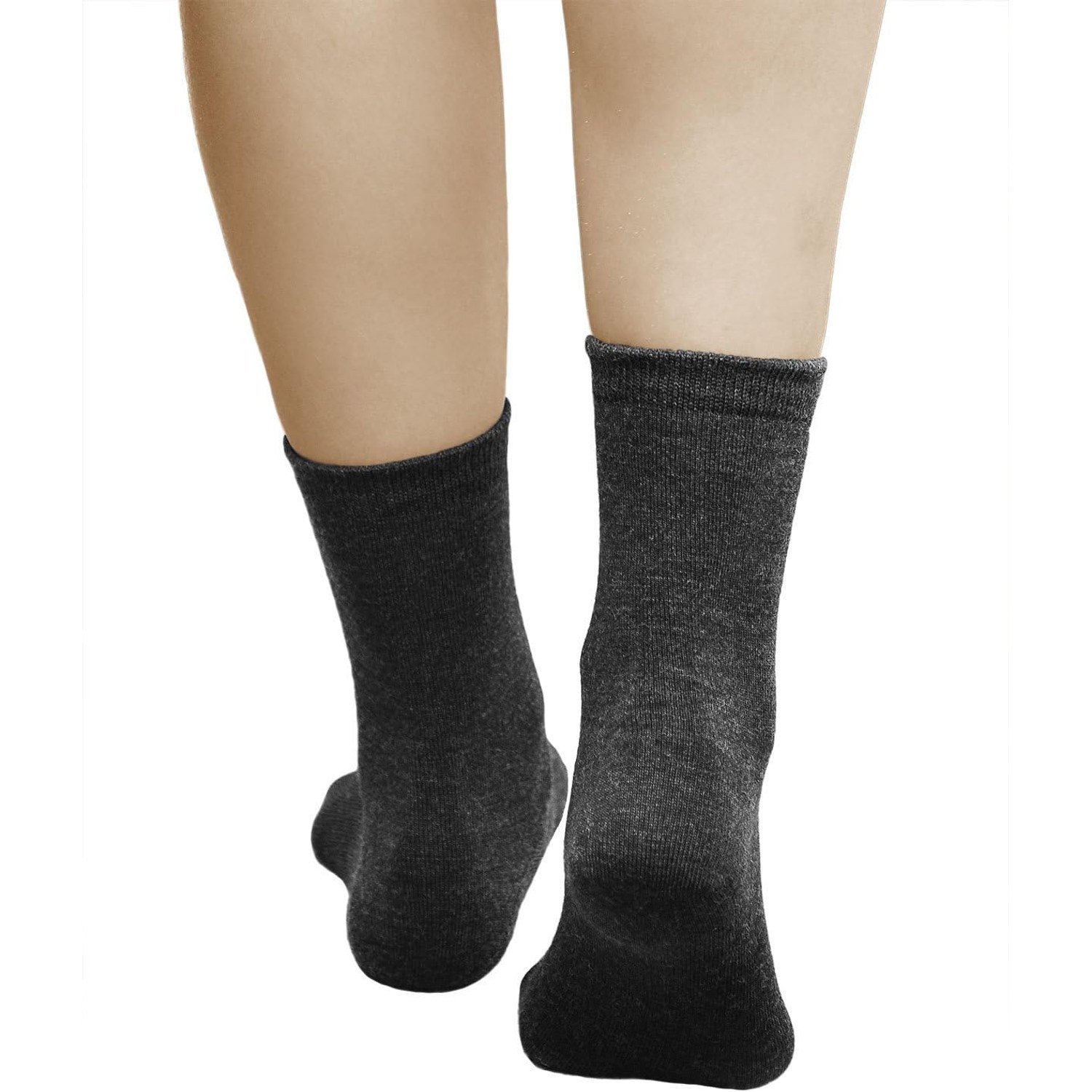
These socks are 80% merino wool, 17% polyamide and 3% elastane, and each part is doing something specific.
The merino is the comfort and the warmth. The polyamide is the toughness. Pure wool socks wear through at the heel and under the ball of the foot faster than most people expect, because wool fibres are soft and soft fibres abrade. Adding nearly a fifth polyamide into the mix, concentrated through the stress zones, is what turns a lovely but fragile sock into one you can wear all winter.
The elastane is small in quantity and large in effect. Three percent is enough to give the knit memory, so the sock pulls back to its original shape after a day of stretching around your foot. Without it, wool socks sag at the ankle by mid-afternoon and start sliding into your shoe.
If you see a sock advertised as 100% merino, it will feel wonderful and it will not last. A blend like this one is the sensible compromise.
The construction details that actually change your day
Three features on this sock are worth understanding, because they are the ones you notice after four or five hours rather than in the first minute.
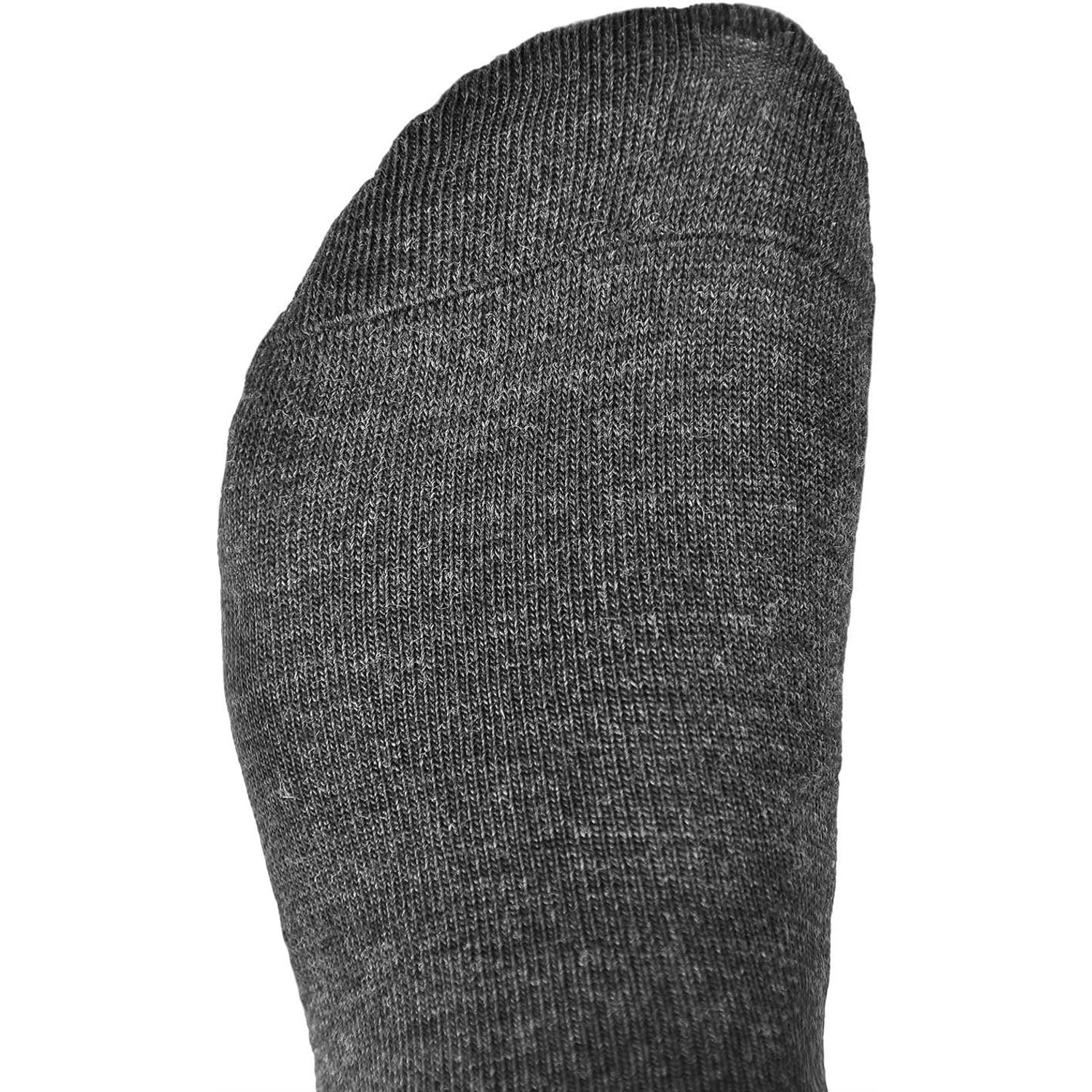
The flat hand-linked toe seam is the big one. Most socks are closed at the toe with a seam that sits as a raised ridge right across the top of your toes. In a roomy shoe you may never notice. In anything snug it becomes a point of pressure, and for anyone with sensitive feet it is the thing that makes socks unbearable. Hand-linking joins the two sides of the knit stitch by stitch so the join lies flat. It costs more to produce and it is one of the clearest signs you are looking at a well-made sock.
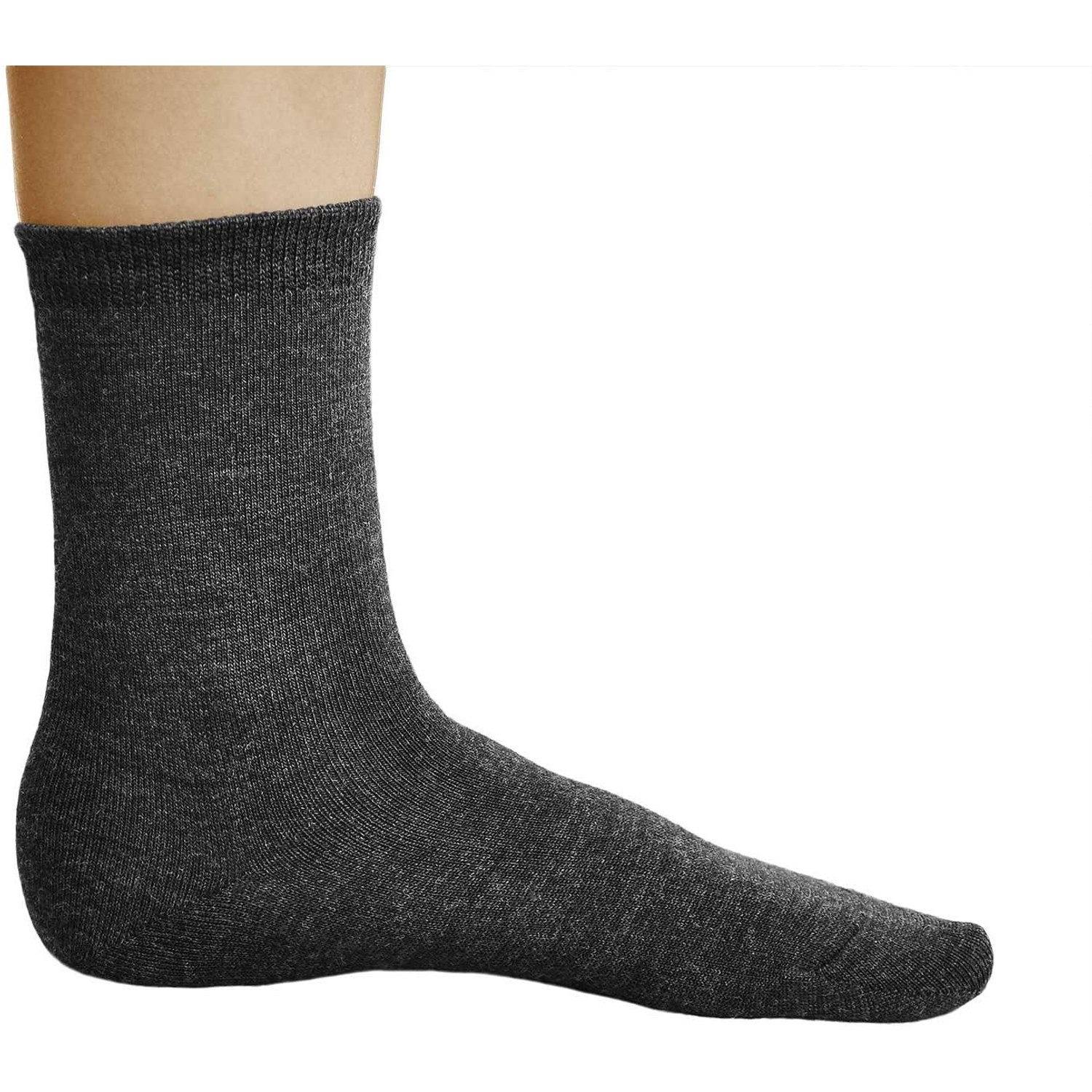
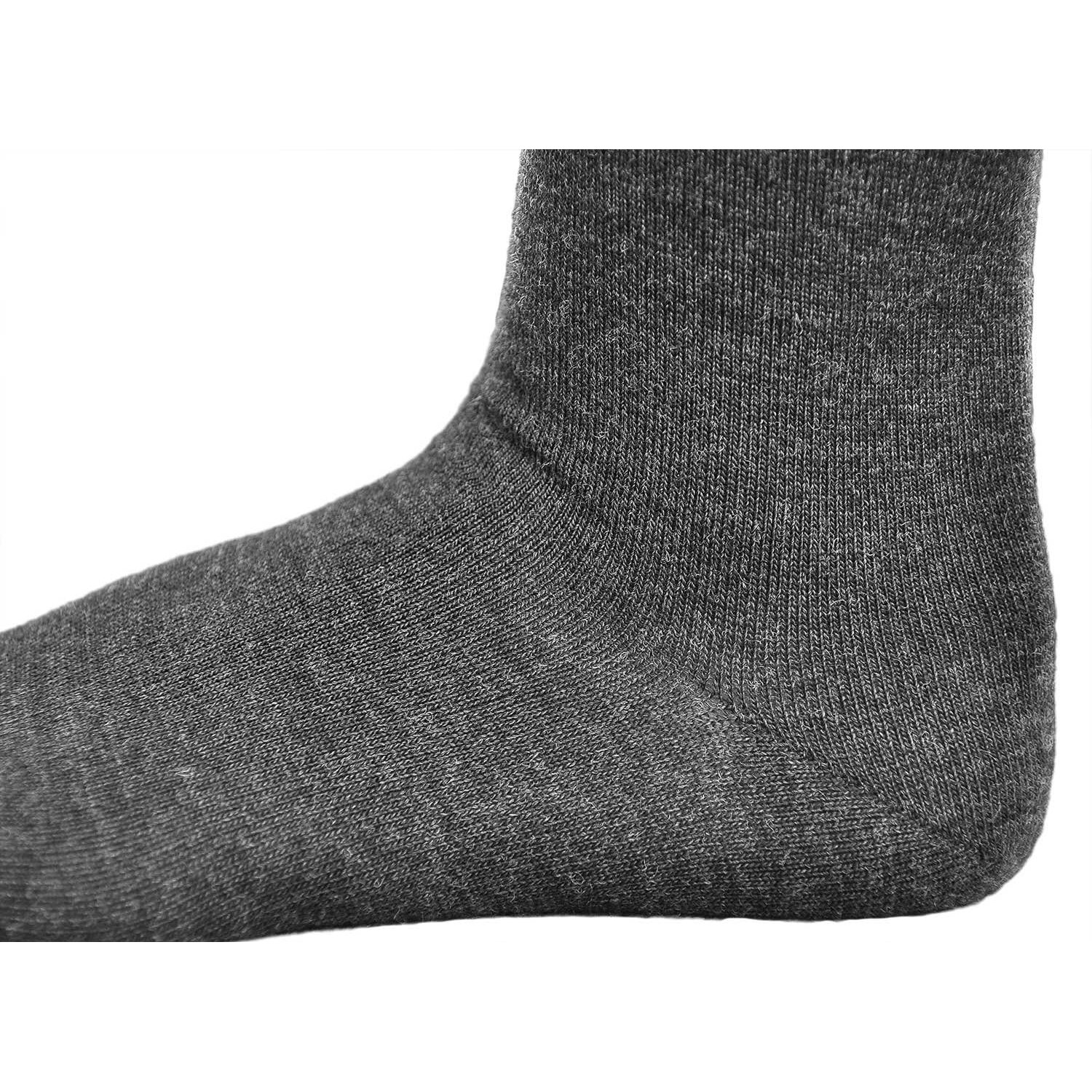
The Y-heel is the second. A cheap sock is essentially a tube with a bit of extra knitting at the back. A Y-heel builds an actual angled pocket that matches the shape of your heel. The result is that the sock stays anchored, so it does not rotate around your foot or creep down under your arch during the day.
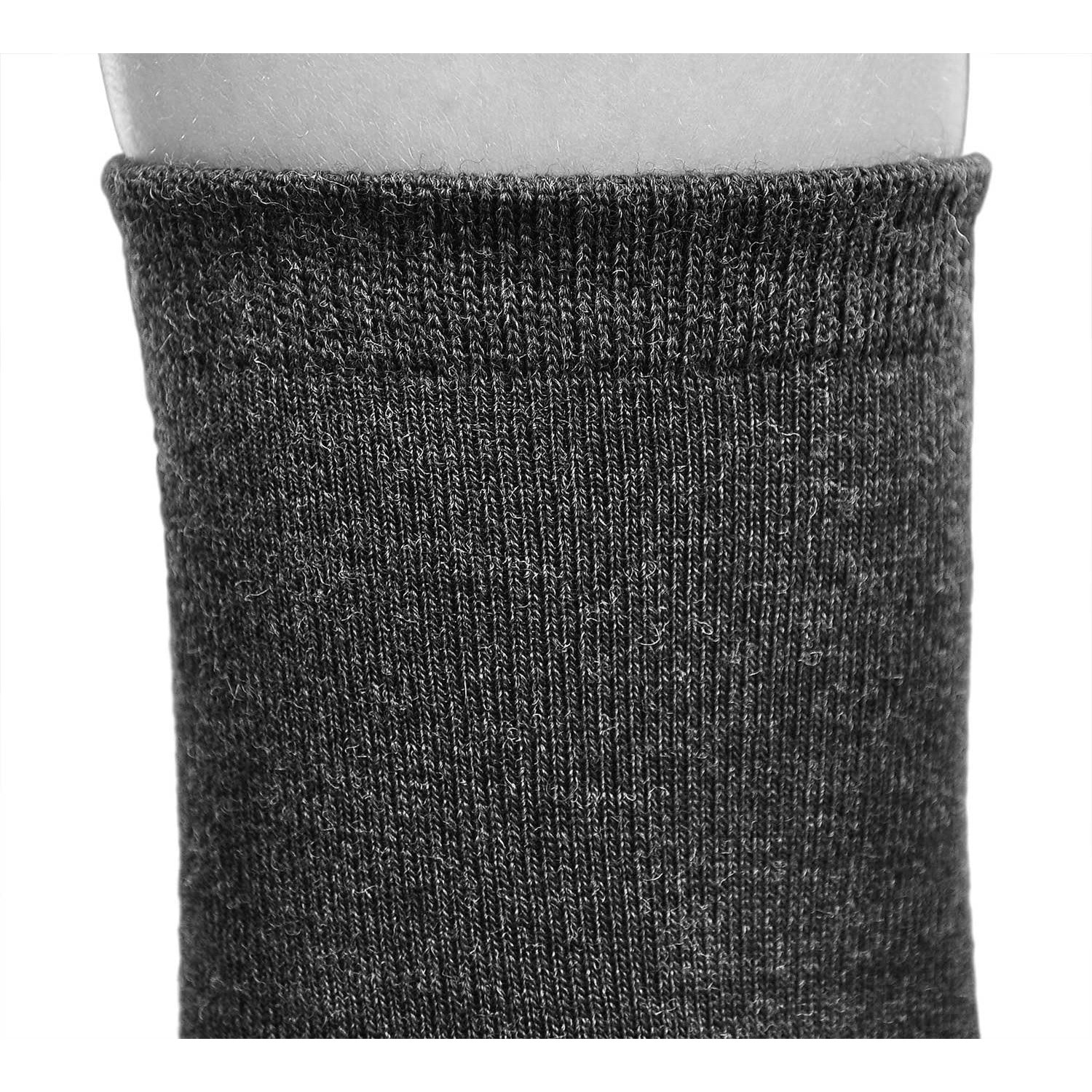
The cuff is the third. Elastic at the top of a sock has one job, to hold it up, and plenty of socks overdo it to the point of leaving a red groove in your leg. A soft elasticated cuff holds position through tension spread over a wider band rather than a tight ring. It is a small thing until you take your socks off at night and your ankles do not look marked.
Choosing the right weight
Sock thickness is the thing most people get wrong. These are moderately thick, which puts them in the everyday category. They are warm enough for the mild cold of late autumn and through winter, and slim enough to fit in regular shoes without cramming your foot.
That makes them a good match for walking shoes, trainers, flats, loafers, soft boots and general daily wear. It makes them a poor match for a few specific situations. Stiff leather boots want a thicker, more cushioned sock to pad the pressure points. Mountain hiking wants a technical sock with dedicated cushioning zones. Genuinely frosty conditions, the kind where you are standing still outdoors for a long stretch, want a heavier wool weight.
Be honest about where you will wear them. The best wool socks for everyday wear are not the same product as the best socks for a winter summit, and buying a heavy expedition sock for commuting leaves you with sweaty feet and shoes that no longer fit.
Getting the fit right
Socks have more forgiveness in sizing than shoes, but not unlimited forgiveness. A sock that is too large bunches under the arch, and that bunching is what causes blisters. A sock that is too small pulls the toe seam tight across your toes and drags the heel pocket down below where your heel sits.
Check the size options on the listing against your usual shoe size. If you are between sizes, think about what you will wear them with. Slightly roomier is better in boots, slightly snugger is better in flats and loafers where there is no space to spare.
Looking after them
Wool care is simple once you know the two rules: keep the heat down and keep the agitation gentle.
Wash inside out in cool water on a wool or delicates cycle, with a detergent made for wool. Standard laundry detergents often contain enzymes that break down protein fibres, and wool is a protein fibre. Do not bleach and do not iron.
Skip the tumble dryer entirely. Heat plus tumbling makes wool fibres lock together and the sock comes out two sizes smaller and stiff. Reshape them while damp, lay them flat and let them dry away from radiators and direct sunlight.
One more habit that helps: turn them inside out before washing. It protects the outer face of the knit and gets the inside, which is where the skin oils are, properly clean. Done this way, a good merino blend sock will see several seasons.
The short version
Merino is wool without the itch. The 80% wool content gives you warmth and breathability, the polyamide and elastane keep the sock in shape and stop it wearing through, and the flat toe seam, Y-heel and soft cuff are the details that make them comfortable after hours rather than minutes.
They are a mid-weight everyday sock for autumn and winter in normal shoes, not a technical sock for mountains or stiff boots. Three pairs gives you a sensible rotation, and if you wash them cool and dry them flat, they will outlast most of what is already in your sock drawer.