
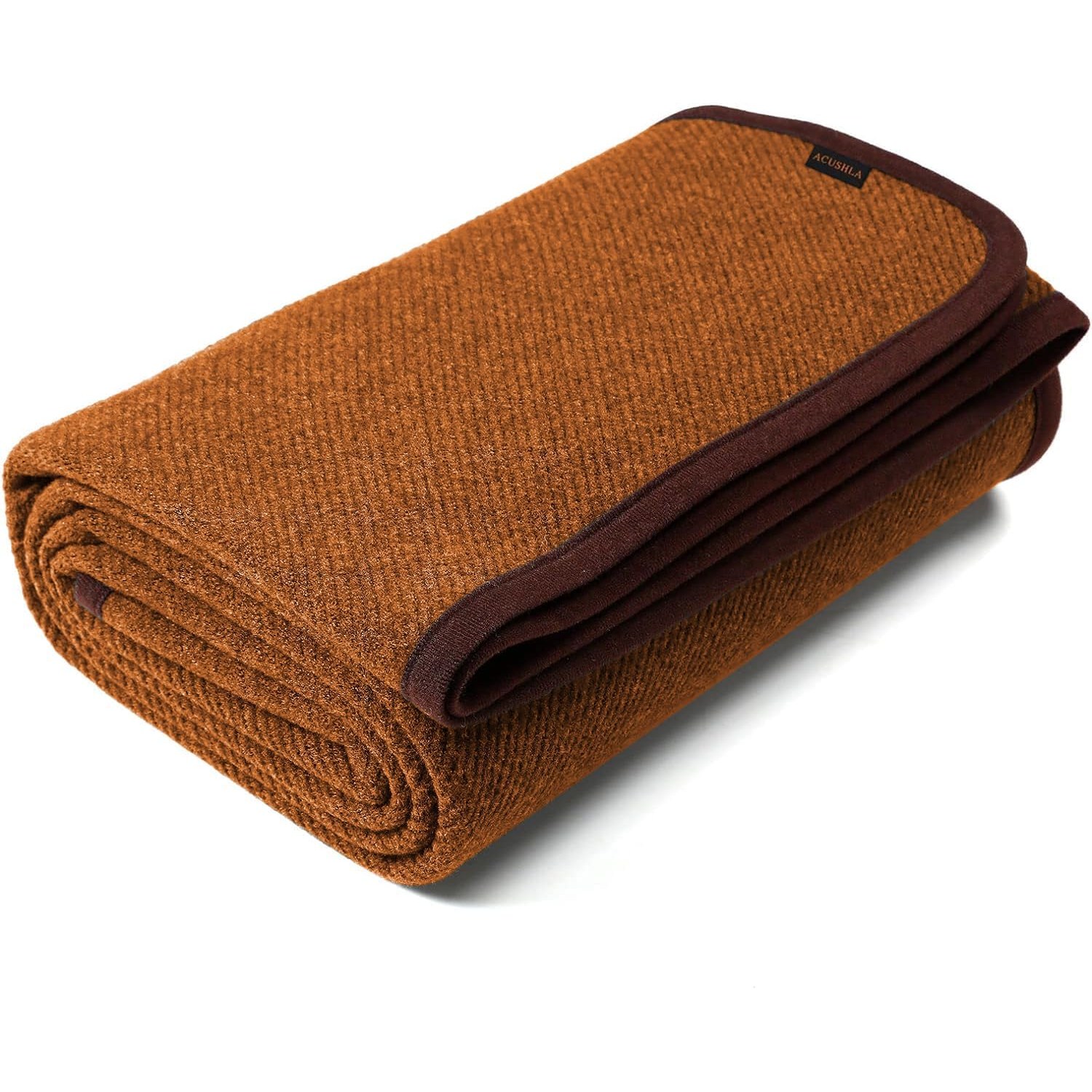
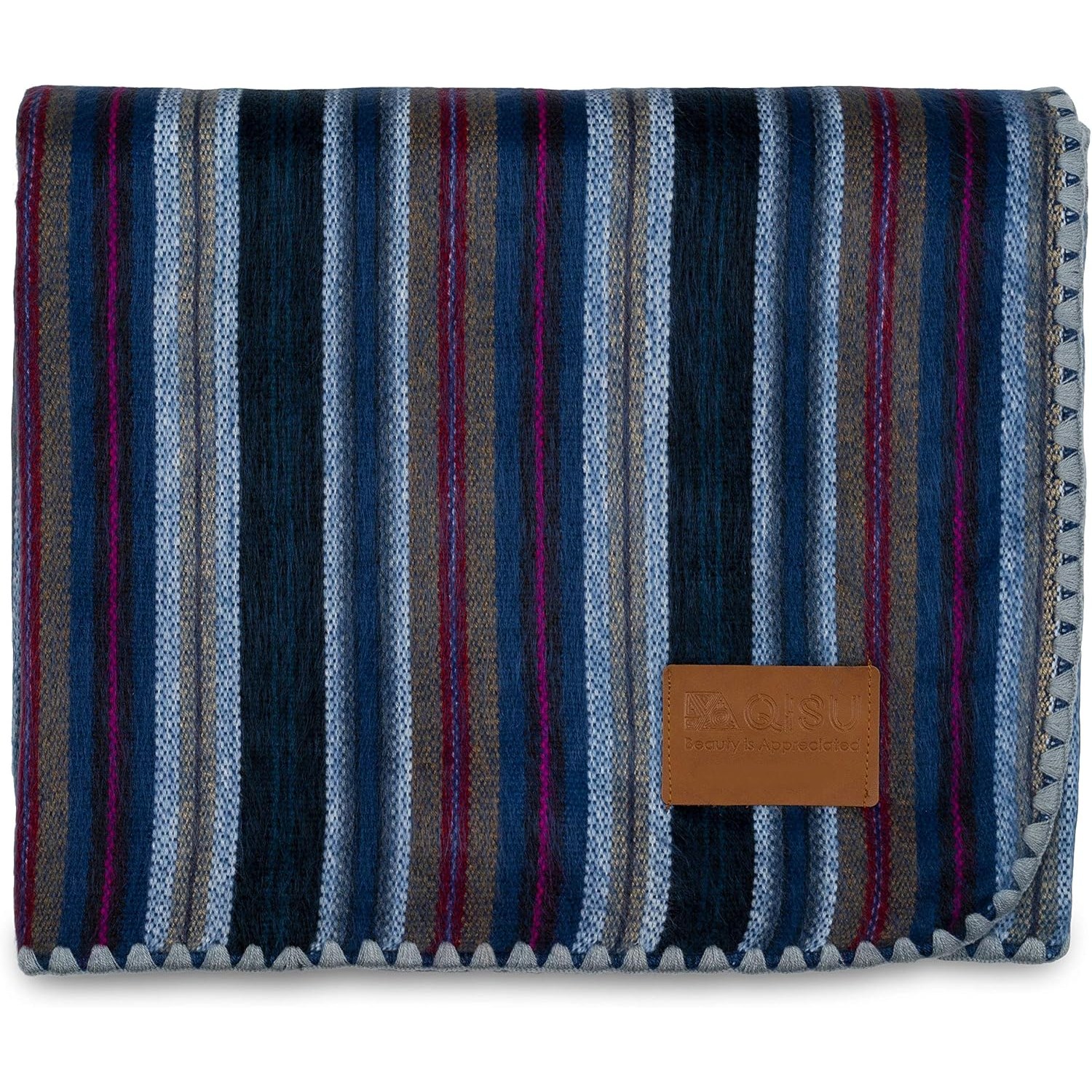
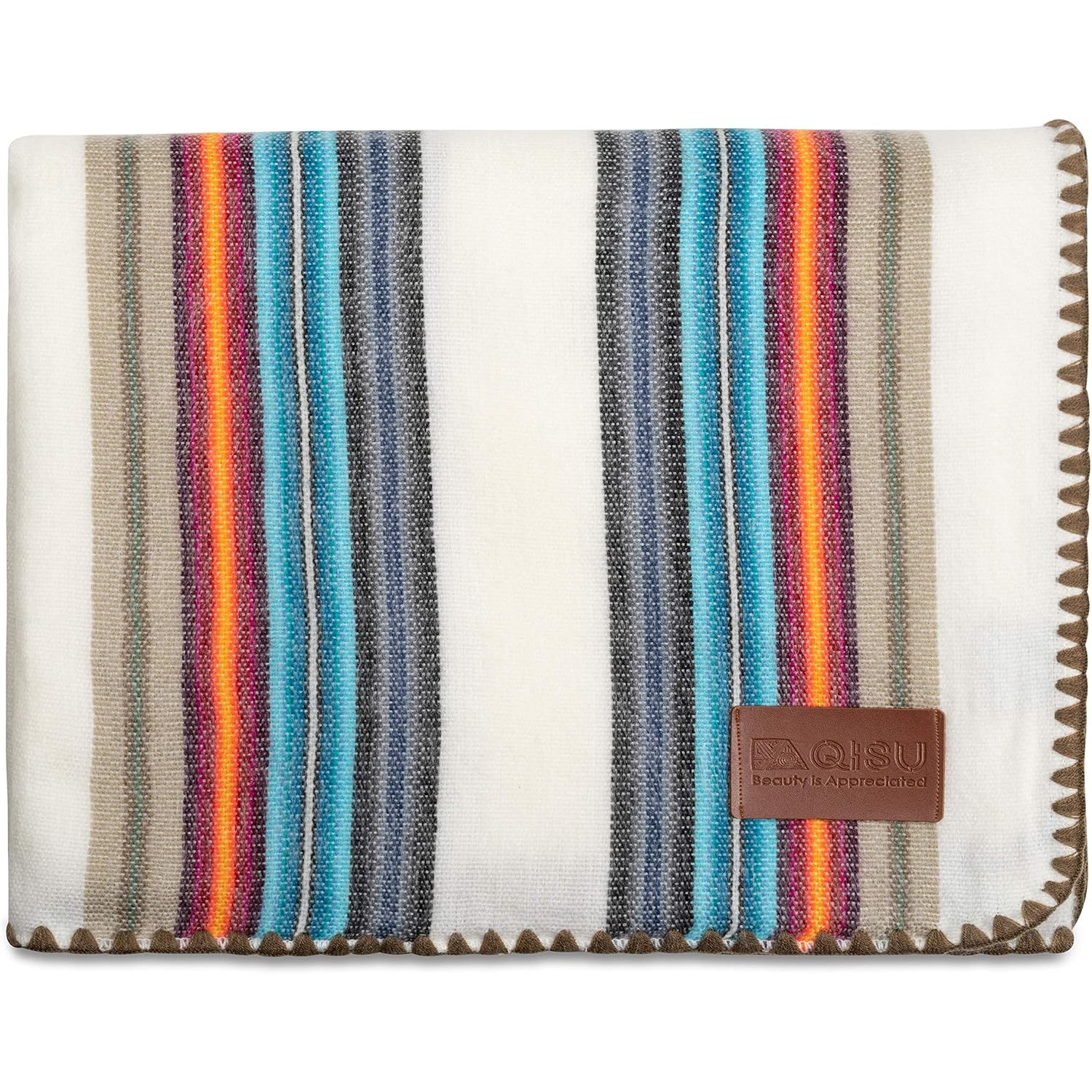
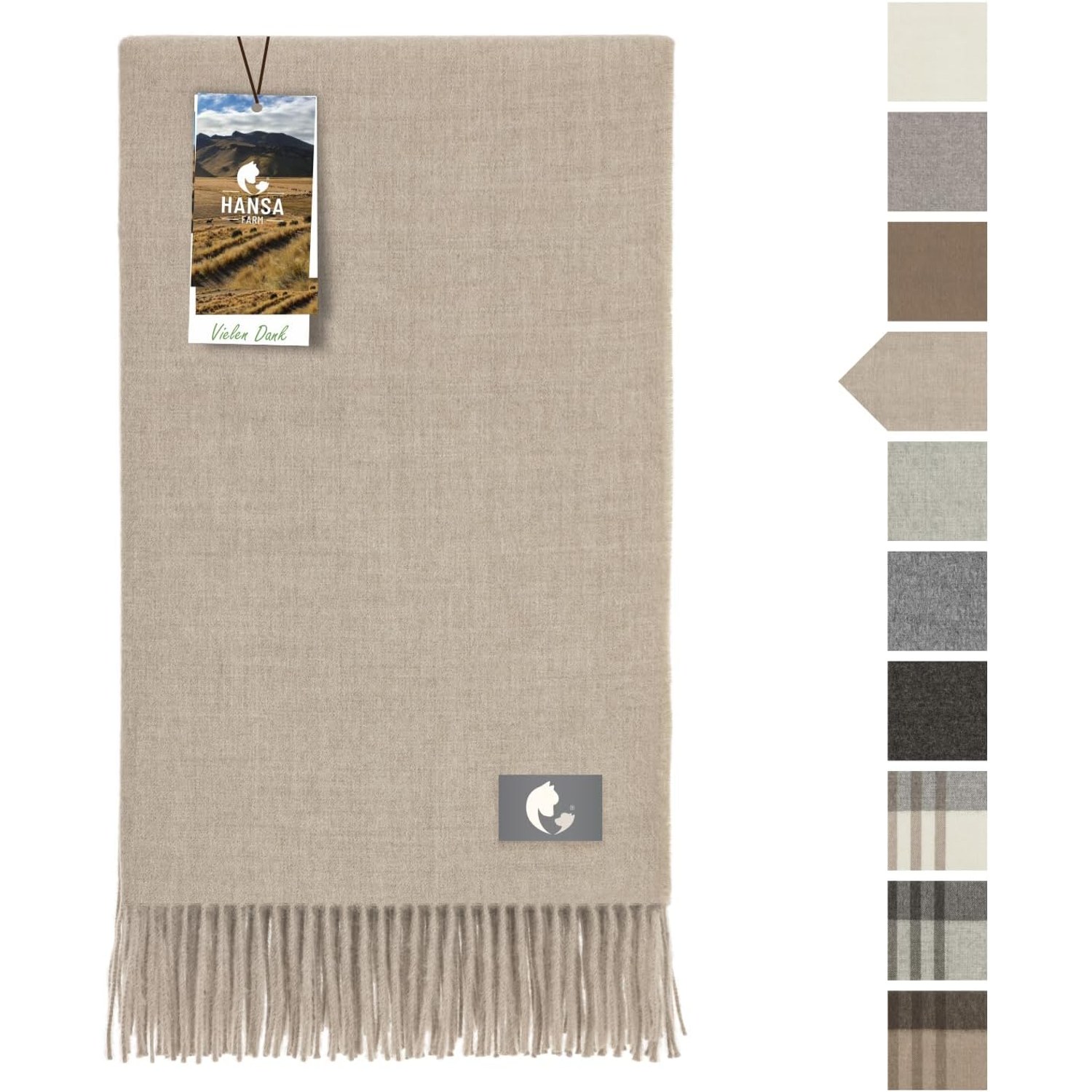

The complete guide
How to Choose a Merino Wool Blanket, Sofa Throw or Bedspread
The cold spot that heating never quite fixes
Most homes have one. A sofa by a draughty window. A spare room that stays two degrees colder than everywhere else. A back seat in the car that turns into a fridge by six in the evening. Turning the heating up fixes the air but not the problem, because what you actually feel is heat leaving your body faster than you make it.
A blanket works the other way round. It does not heat anything. It slows the loss. That is why a good wool throw can make a room feel warmer than a radiator does, and why people who own one tend to reach for it before they reach for the thermostat.
This guide covers what to look for in a merino wool blanket 160 x 200 cm, who it suits, and how to keep it in good shape for years.
Why merino, and why a blend
Merino wool comes from a breed of sheep known for an unusually fine fleece. Fine fibres mean two things. They feel softer against skin, because thick fibres are what cause that familiar prickle in old-fashioned wool blankets. And they crimp more, which traps more still air. Still air is the actual insulator. Wool is just a clever way of holding it in place.
Merino also moves moisture. It can absorb a fair amount of water vapour inside the fibre while the surface still feels dry, and it keeps insulating when damp. That is the property that matters when you are sitting on wet grass, waking up in a tent at dawn, or waiting beside a broken-down car in the rain.
This blanket is a blend: 25% merino wool, 72% polyester and 3% nylon, using Australian merino. Purists sometimes dismiss blends, but a blend has real advantages for a household blanket. The synthetic portion resists abrasion, holds the pile together, dries faster and tolerates a home washing machine far better than fine all-wool fabric does. You get a good share of wool's behaviour with much less fuss. If you want the best machine washable wool blanket for everyday family use, a blend like this is usually the sensible middle ground.
The size question
Blanket sizing is where people most often get it wrong, usually by buying too small. A throw that is 120 x 150 cm looks fine folded over an armchair and is useless the moment two people want to share it.
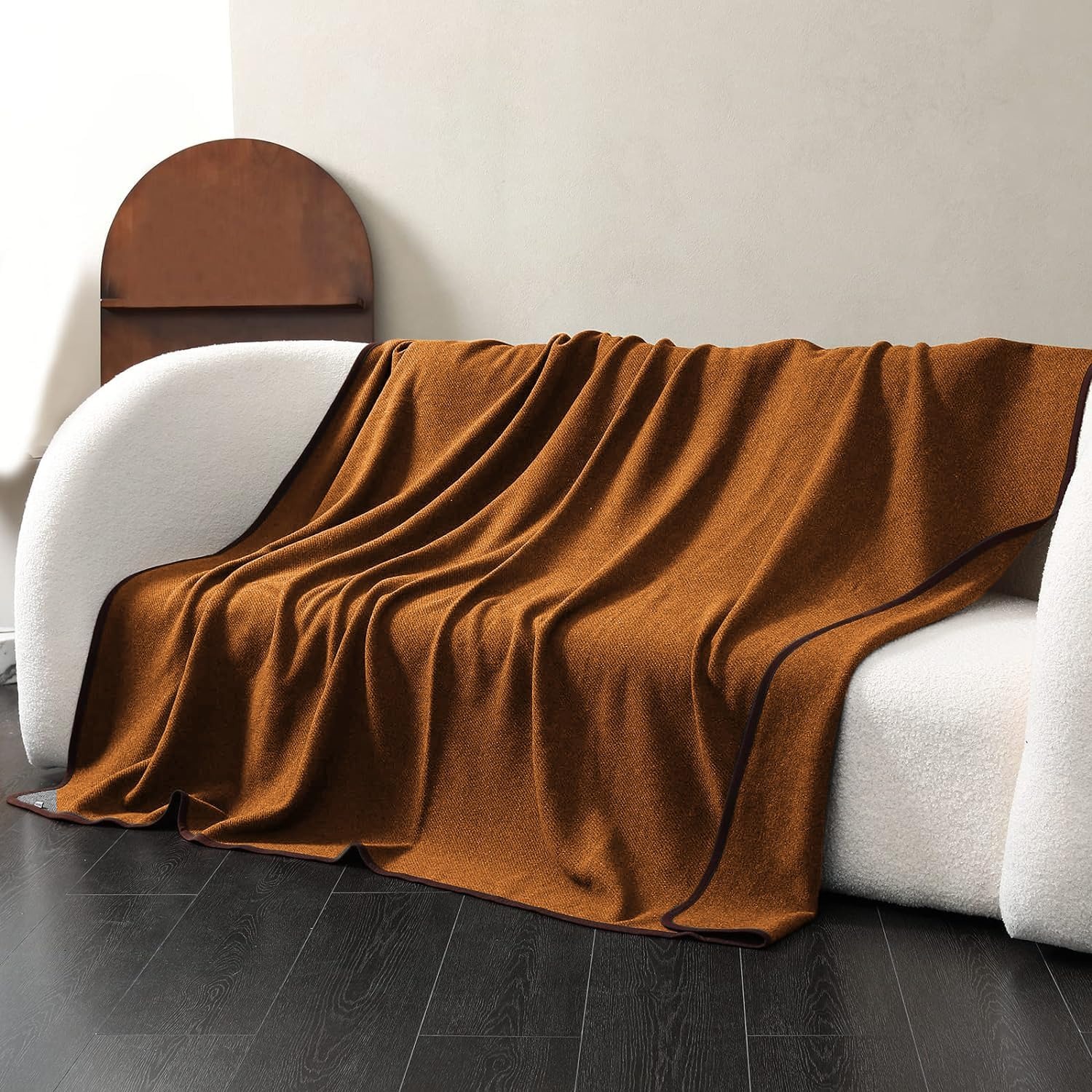
160 x 200 cm is a genuinely useful footprint. Two metres covers a tall adult head to toe with room to tuck. 160 cm is wide enough that you are not rationing it across a two-seater sofa. On a single bed it works as a full bedspread with a drop down both sides. On a double it sits as a warm top layer over the sleeping area. On a king it becomes a feature throw across the foot of the bed rather than full coverage.
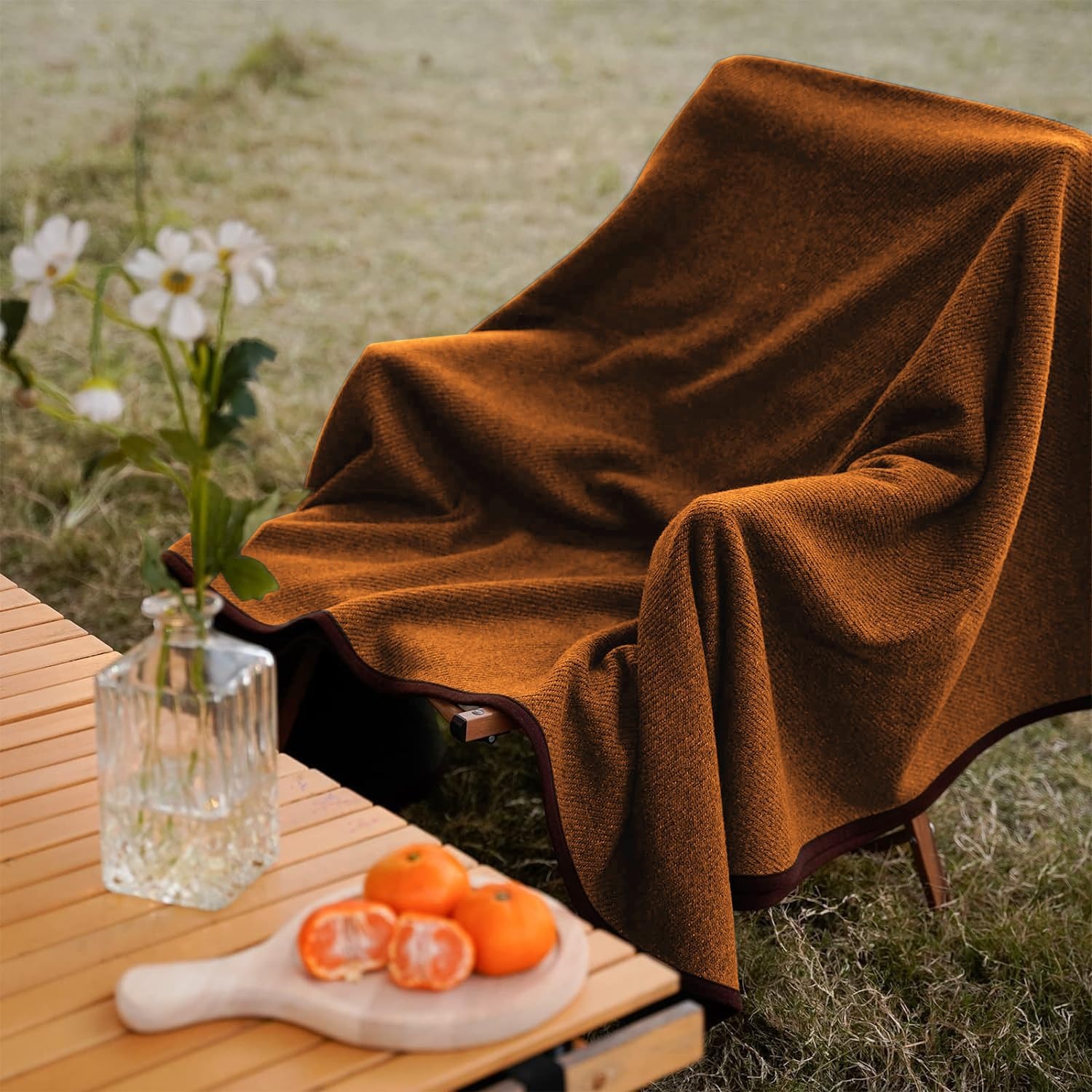
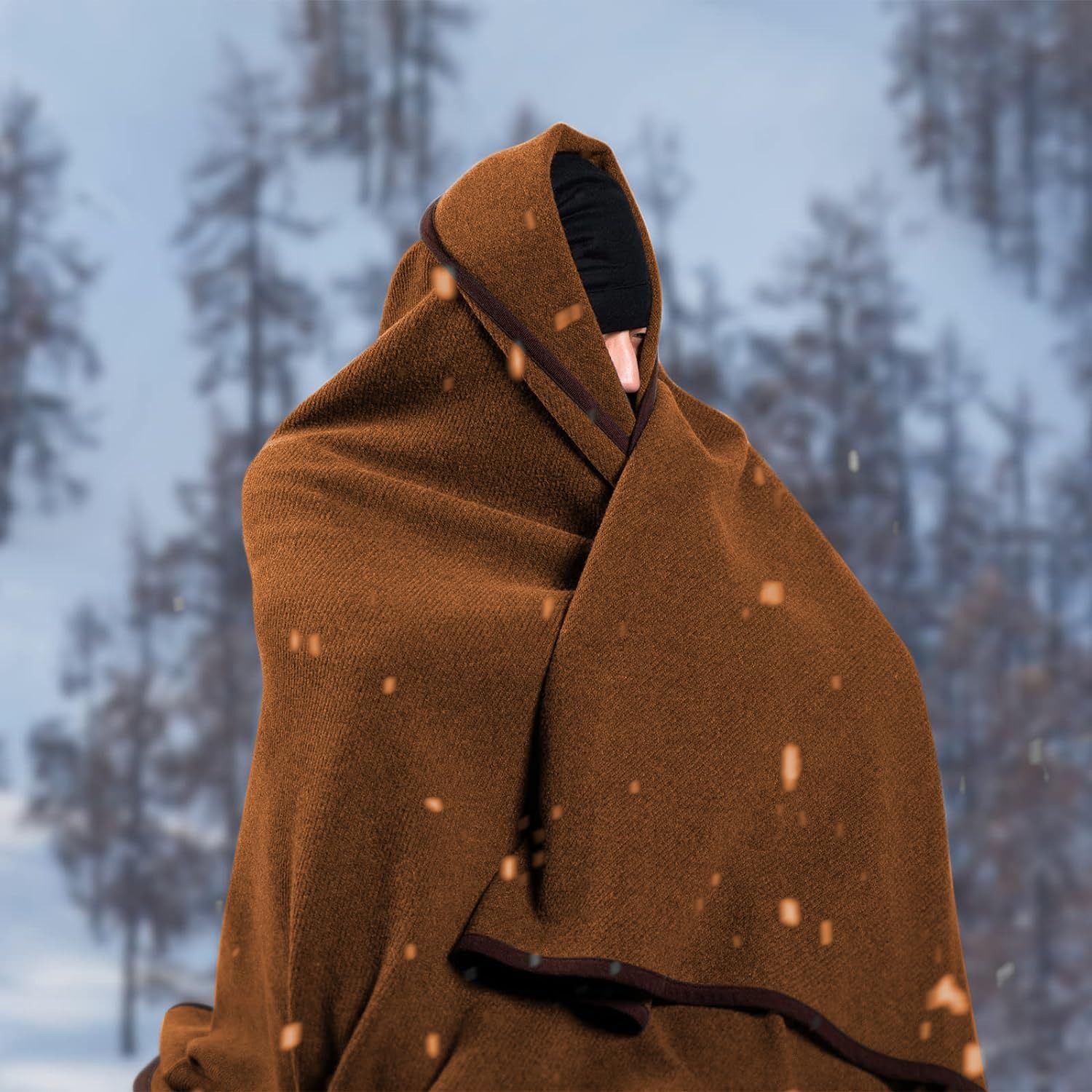
For outdoor use the length is what sells it. Most camping blankets are sized for storage rather than for people. Something that reaches two metres means you can wrap it properly instead of choosing between warm shoulders and warm feet.
Who this suits
Sofa dwellers. If you spend winter evenings in one spot, a large throw does more for comfort than almost anything else you can buy for the room. Look for softness and size over sheer weight.
Spare-room hosts. A blanket folded at the foot of the guest bed solves the awkward moment when someone is cold at midnight and does not want to ask.
Campers and outdoor sitters. Football sidelines, fishing, stargazing, tailgates, boat trips. Anything where you sit still outdoors while the temperature falls. Wool blends handle damp air better than most synthetics, which is why the best outdoor blanket for cold mornings usually has wool in it.
Car-boot pragmatists. Keep one permanently in the car and you will use it more than you expect, for breakdowns, cold starts, wet dogs and spontaneous beach stops.
Anyone who runs cold at night. Layering a wool throw over a duvet adds warmth without the sweaty feeling you get from piling on more synthetic bedding.
How to choose between throws
A few things are worth checking before you buy anything in this category.
Look at the fibre breakdown, not just the headline word. A product can say "merino" while containing a small fraction of it. Here the split is stated plainly at 25% merino with the balance polyester and nylon, so you know what you are getting.
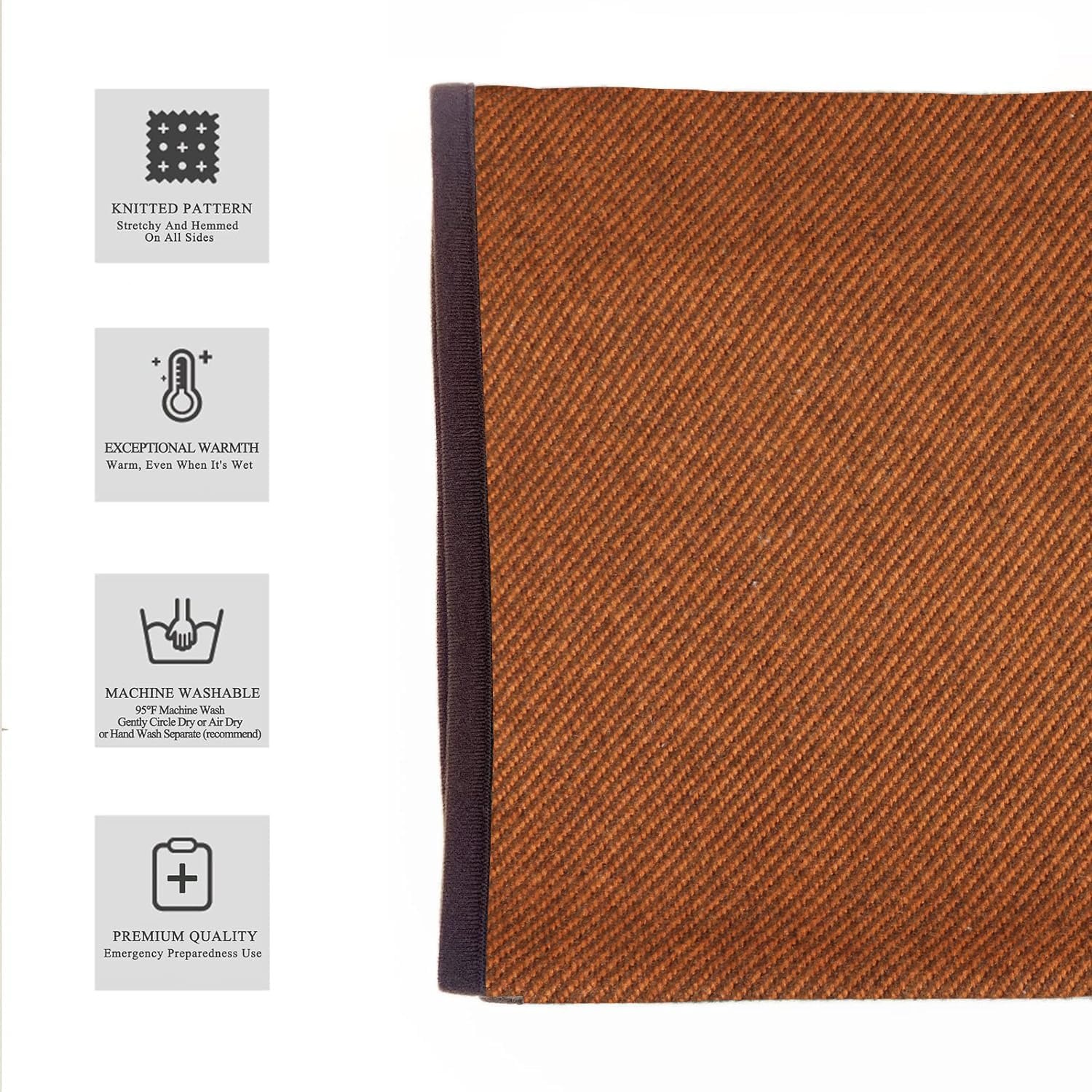
Think about the pile. A raised, fluffy surface feels warmer to the touch and traps more air, but it needs recovery. A blanket with poor recovery comes out of storage looking like a road map of fold lines. This one is described as having good reset properties and resisting creasing when folded, which matters more in daily life than it sounds.
Check the wash instructions before you commit. A blanket you have to dry clean is a blanket that eventually lives in a cupboard. Hand or machine washable at home is the difference between using something and preserving it.
Finally, consider smell. New wool products can carry a lanolin or processing odour that takes weeks to air out. These are triple washed in production and described as odour free on arrival, so they can go straight onto the bed.
Looking after it
Wool is forgiving if you avoid the two things it hates: heat and agitation. Felting happens when hot water and mechanical action push the fibre scales together permanently. Once that occurs, you cannot undo it.
So wash cool, on a wool or delicate cycle, with a mild detergent made for wool. Skip the bleach and skip the fabric softener, which coats the fibres and flattens the loft you paid for. Do not wring it. Press the water out, reshape it while it is damp, and dry it flat or over a rail away from a radiator and out of harsh sun.
Between washes, most of what a blanket needs is air. Hang it outside on a dry, breezy day for an hour and it comes back fresh. Spot clean small marks with cool water and a little detergent rather than putting the whole thing through a cycle. Fewer washes means a longer life.
For summer storage, make sure the blanket is clean and bone dry, then fold it into a breathable bag or a cupboard shelf. Sealed plastic traps moisture, and moisture is what causes trouble with natural fibres in long storage.
A note on realistic expectations
A blanket is not a sleeping bag, and a 25% wool blend is not the same as a dense all-wool army blanket. If you are heading into serious cold with no shelter, pack proper gear. What this does very well is cover the ordinary end of cold: the evening sofa, the chilly guest room, the camp chair at dusk, the car on a frosty morning, the picnic that ran later than planned.
Used that way it earns its keep quickly, and because it washes at home it tends to stay in service rather than being retired to a shelf.
The short version
This is a 160 x 200 cm wool-blend blanket built around Australian merino, in a mix of 25% merino wool, 72% polyester and 3% nylon. The merino brings breathable warmth and the ability to insulate when damp. The synthetics bring durability, fast drying and an easy home wash.
The size is the real selling point. Two metres of length means it works for tall adults, shares properly on a sofa, covers a single bed as a bedspread and still folds into a car boot. The pile is soft, recovers its shape and does not hold creases, and the blanket arrives triple washed and odour free.
If you want one throw that moves between the sofa, the spare bed, the campsite and the car without complaint, this sits comfortably in that bracket. Wash it cool, dry it flat, and it should stay in the family for a long time.