

The complete guide
How To Choose And Burn A Vanilla Soy Candle
The problem a candle actually solves
A house can be clean and still feel stale. Closed windows, last night's dinner, damp towels, a dog who had a good day in the park. You notice it most when you walk back in after being out, and for about thirty seconds it bothers you before you stop registering it.
Air fresheners handle that with a chemical burst that sits on top of the smell rather than replacing it. A candle works differently. It warms the room, puts out a soft light, and releases fragrance slowly enough that it reads as part of the space instead of a spray.
That is the real job here. Not a dramatic transformation, just a room that feels like somewhere you want to sit down.
What soy wax does differently
Most cheap candles are paraffin, a petroleum by-product that is hard, cheap to pour and melts at a higher temperature. Soy wax is plant-based and softer. It melts lower, which has two practical effects.
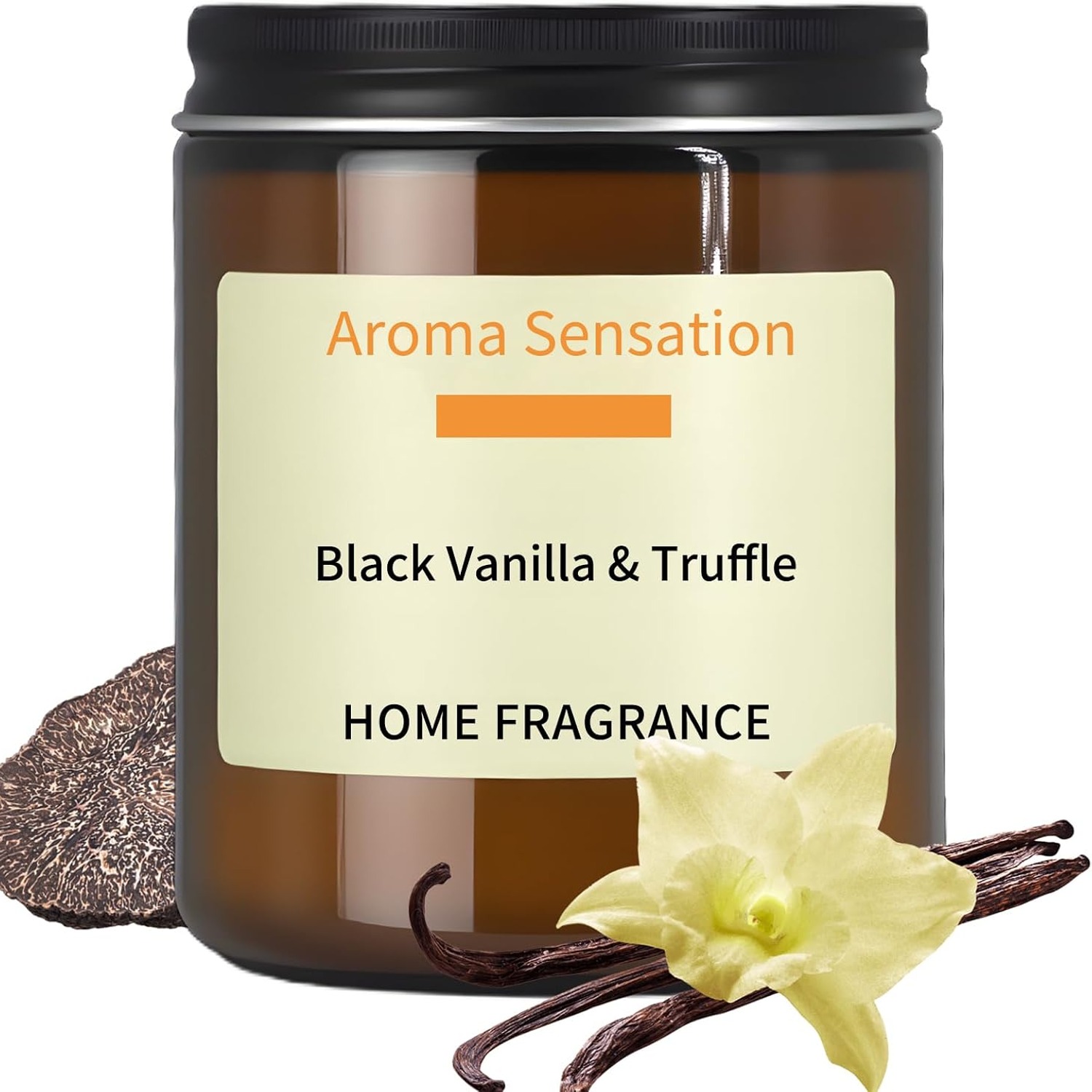
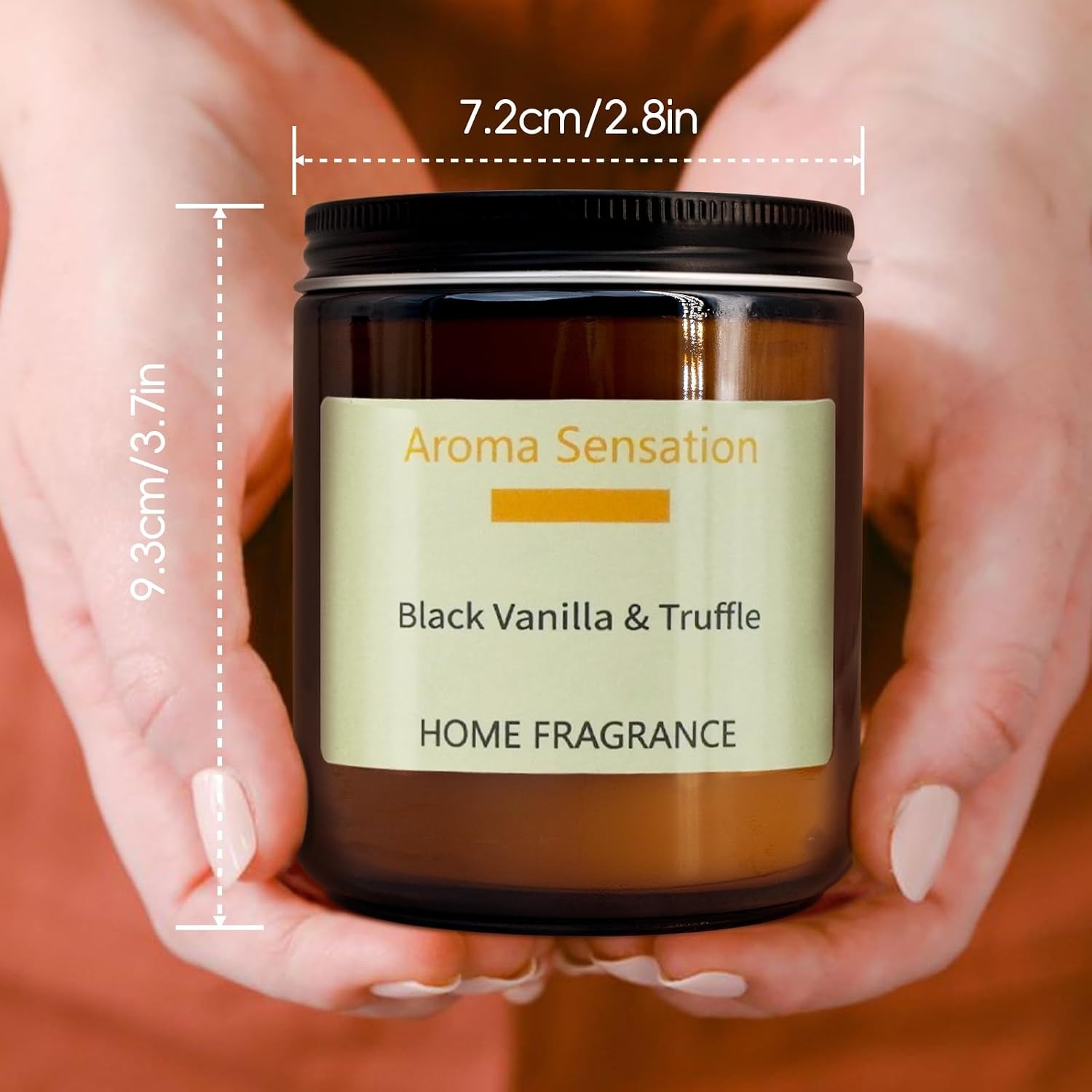
First, the burn is slower. The same volume of wax lasts longer because less of it is being consumed per hour. A 7 oz (200 g) soy candle like this one gives roughly 40 hours, which is a solid run.
Second, the fragrance release is steadier. A hot burn throws scent hard and fast, then tapers. A cooler burn lets the scent build at a pace your nose adjusts to, so the room smells pleasant for the whole session rather than overwhelming for the first ten minutes.
There is a maintenance bonus too. Soy wax washes out of a glass with warm soapy water, so the vessel is genuinely reusable rather than theoretically reusable.
The wick matters more than people think
This candle uses a lead-free cotton wick. Cotton is the standard for a reason. It burns clean, holds a modest flame and does not need any metal core to stay upright in soft wax.
The important part is your side of the deal. A wick that is too long produces a flame that is too big, and a flame that is too big makes soot. That black mark that creeps up the inside of a candle jar is almost never the candle's fault. It is an untrimmed wick.
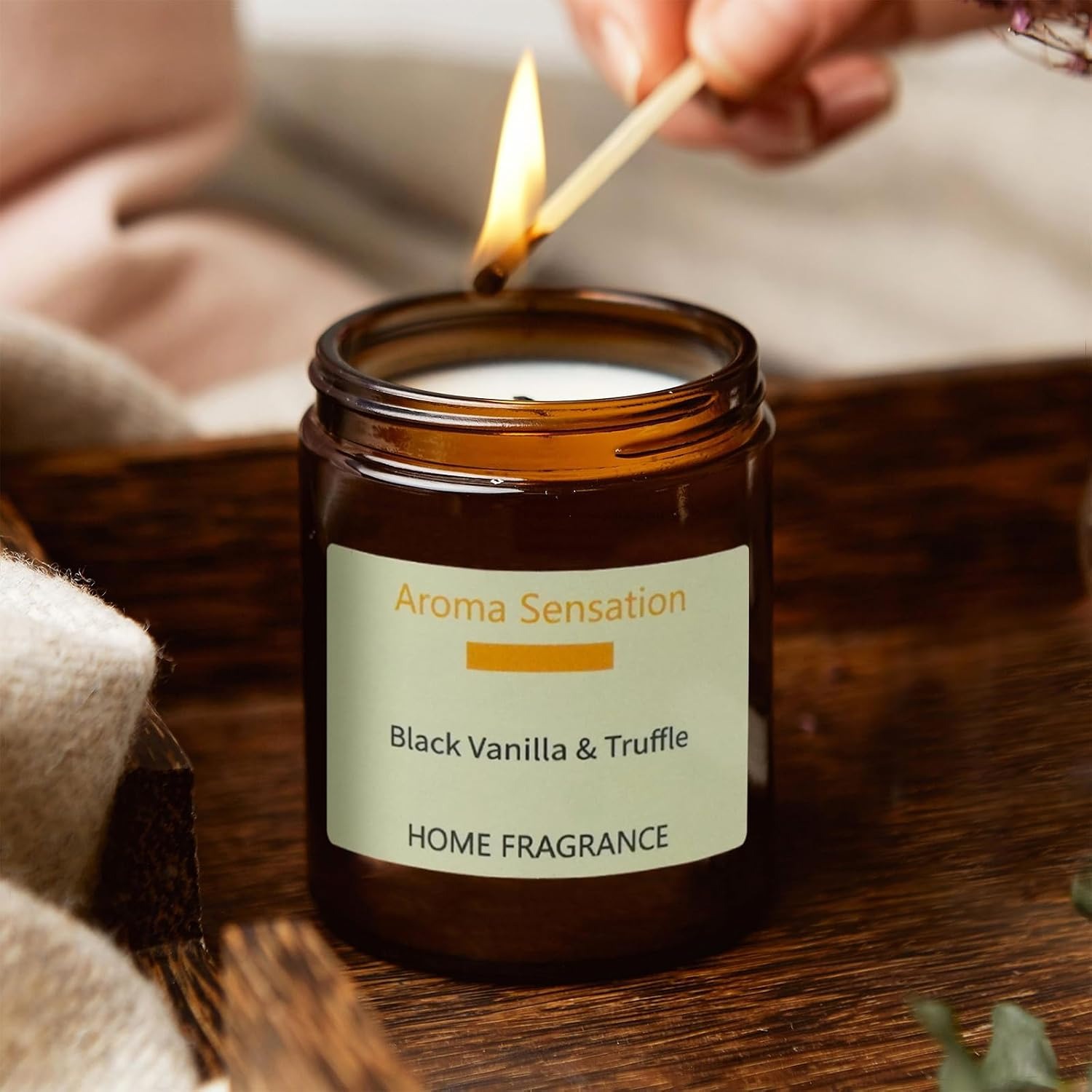
Trim to about 5 mm before each light. It takes five seconds and it is the single biggest thing you can do to get a clean burn out of any candle.
Understanding the vanilla and truffle scent
Pure vanilla is sweet, creamy and a bit like baking. Lovely, but it can tip into cloying if there is nothing underneath it holding it down.
The truffle note here is the counterweight. It brings an earthier, slightly savoury depth that stops the sweetness from running away. What you get is warm rather than sugary, which means it works in more rooms and at more times of day than a straight dessert fragrance would.
If you usually reach for vanilla candles but find them a touch too sweet by the end of an evening, this balance is likely to suit you. If you prefer fresh, citrus or herbal scents, this is not the one.
Choosing the right candle for the room
Candle size should match the space. A single-wick candle this size is well suited to bedrooms, bathrooms, home offices, nurseries you are not actually burning it in, and average living rooms. In a big open-plan kitchen and lounge, one candle will scent the immediate area and then fade as you move away.
The fix is not a bigger candle. It is two candles placed apart. Two medium candles in opposite corners cover a large room far better than one oversized one in the middle, and you avoid the hot, heavy effect of a very strong single source.
Think about height too. A candle on a low coffee table disperses scent differently than one on a shelf at shoulder height. Higher placements spread fragrance further, which is useful if you want the whole room to catch it.
Getting the first burn right
This is where most candles are won or lost. Soy wax has a memory. The first burn sets the diameter of the melt pool, and every burn after that tends to follow the same edge.
So on the first light, give it time. Two to three hours, until the melted wax reaches the glass wall all the way around. Then blow it out. After that, the candle will burn down flat and you will use every gram of wax you paid for.
Cut that first burn short and you get a tunnel. The wick sinks into a narrow well, the flame suffocates, and a ring of unburnt wax sits uselessly against the glass. You can sometimes rescue a tunnelled candle with foil around the rim, but it is far easier to not create the problem.
Safe burning, briefly
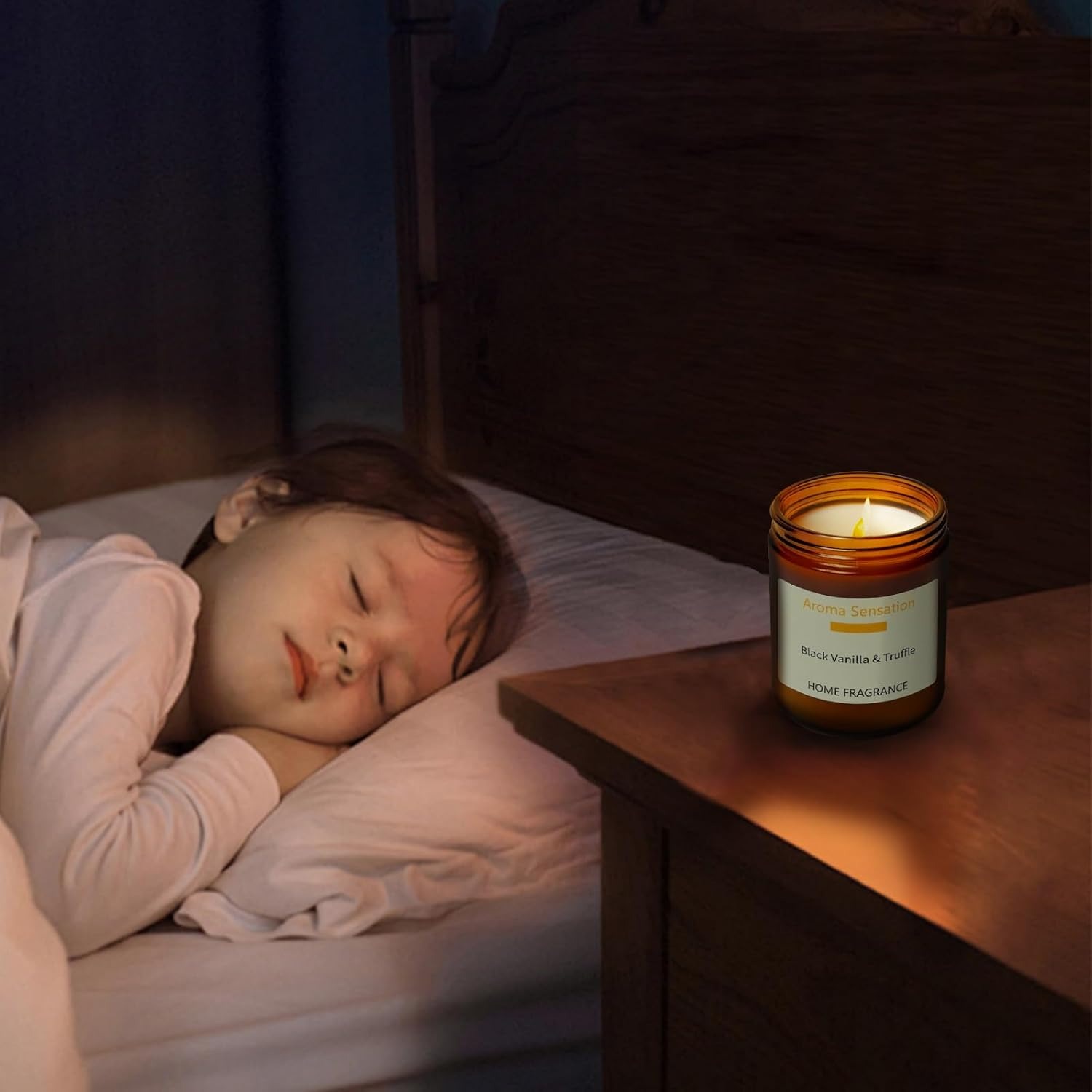
Flat heat-safe surface. Away from curtains, paper, cushions and anything that can catch. Out of reach of children and pets, including the tail of a cat who likes shelves.
Four hours maximum per session. After that the glass is properly hot and the wick starts to mushroom. Never leave it burning when you leave the room or go to bed.
Stop at about 1 cm of remaining wax. Past that point the flame is sitting close to the base of the glass, and no candle is worth risking that over.
Caring for the candle and the glass
Keep it out of direct sunlight and away from heat sources when it is not lit. Sun fades fragrance and warmth can soften the wax surface. A lid or a cupboard keeps the scent sealed in between uses.
When you are done with it, let the last wax cool fully. Pop the disc out with a butter knife, or soften it by resting the glass in a bowl of hot water for a few minutes. Wash with warm soapy water, dry it, and you have a tidy glass pot for hair ties, paperclips, matches or a tealight.
Why it works as a gift
Candles are one of the few gifts that nobody has to find space for permanently. They get used, they get finished, and they leave behind a glass you can keep or recycle. No clutter, no sizing, no returns because the colour was wrong.
Vanilla is also one of the safest fragrance choices you can make for someone else. It is familiar, widely liked and not tied to a season. Whether you are buying for a birthday, Mother's Day, Valentine's Day or a thank-you, a warm vanilla candle in glass lands well with most people.
The glass vessel does a lot of the presentation work for you. Wrap it, add a ribbon, done.
The short version
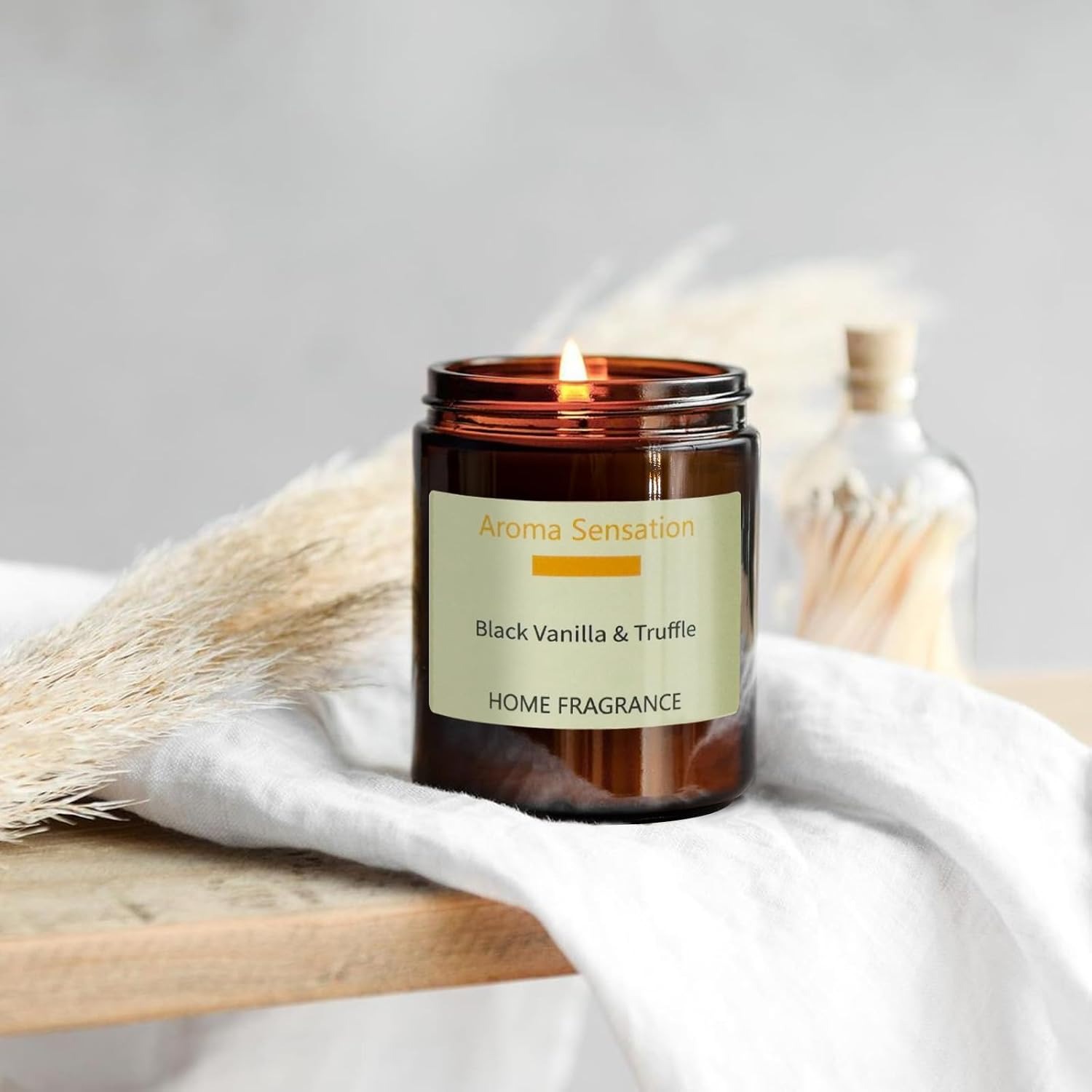
This is a 7 oz (200 g) soy wax candle in glass, scented with vanilla and truffle, with a lead-free cotton wick and roughly 40 hours of burn time.
Soy burns slower and cooler than paraffin, so the scent comes out steadily rather than all at once. The truffle note keeps the vanilla from being too sweet. Trim the wick to 5 mm each time, let the first burn reach the edges, keep sessions under four hours, and stop at 1 cm of wax.
Do those few things and you will get the full run out of it, with a clean glass left over at the end.