
The complete guide
The Practical Guide to Choosing Beige Hollow Ceramic Vases
The empty surface problem
Nearly every home has one. A console table by the door with nothing on it. A mantel that looks bare. A long sideboard where a bowl of keys has taken over. The surface is not wrong, it is just unfinished, and most people fix it by adding five small things that end up looking like clutter.
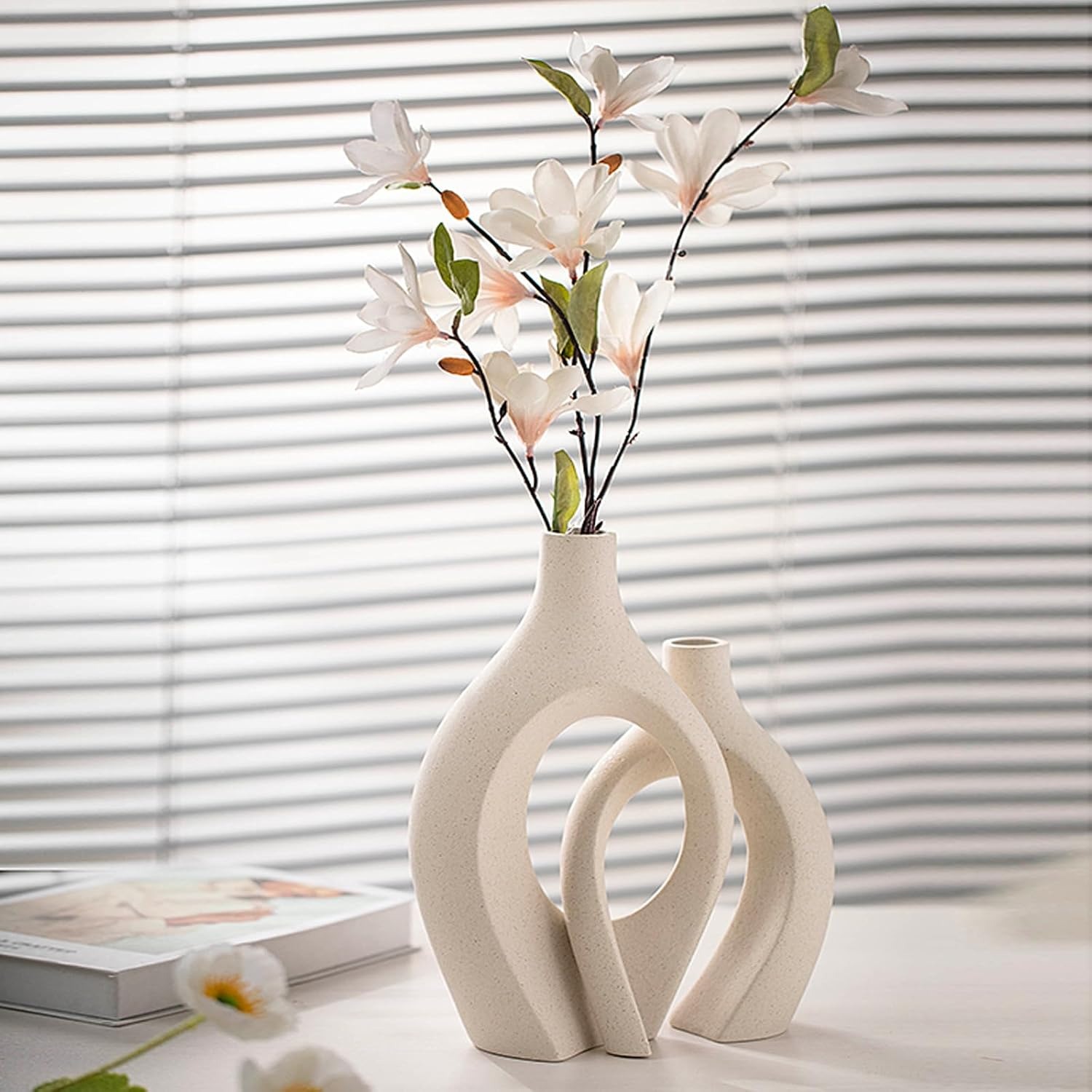
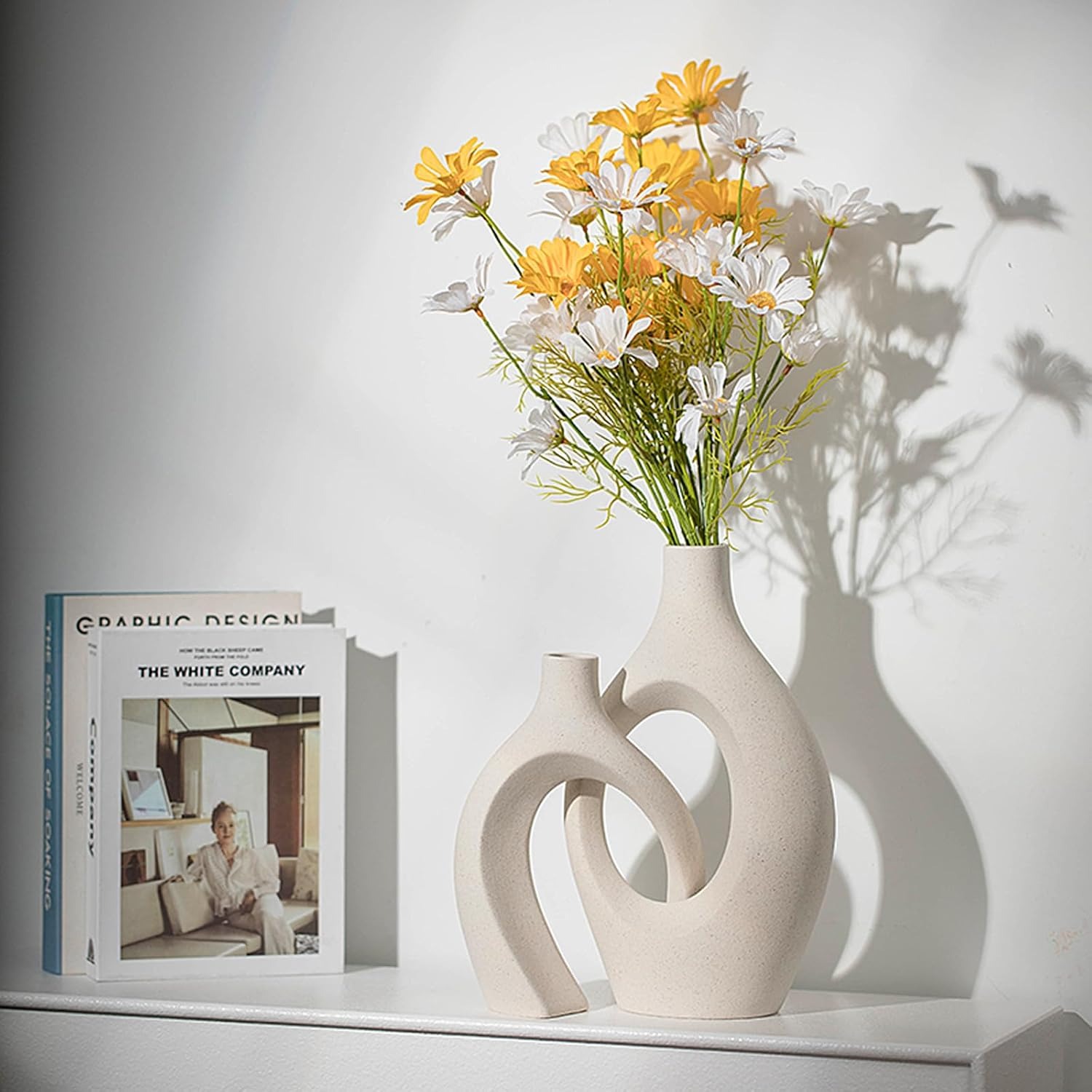
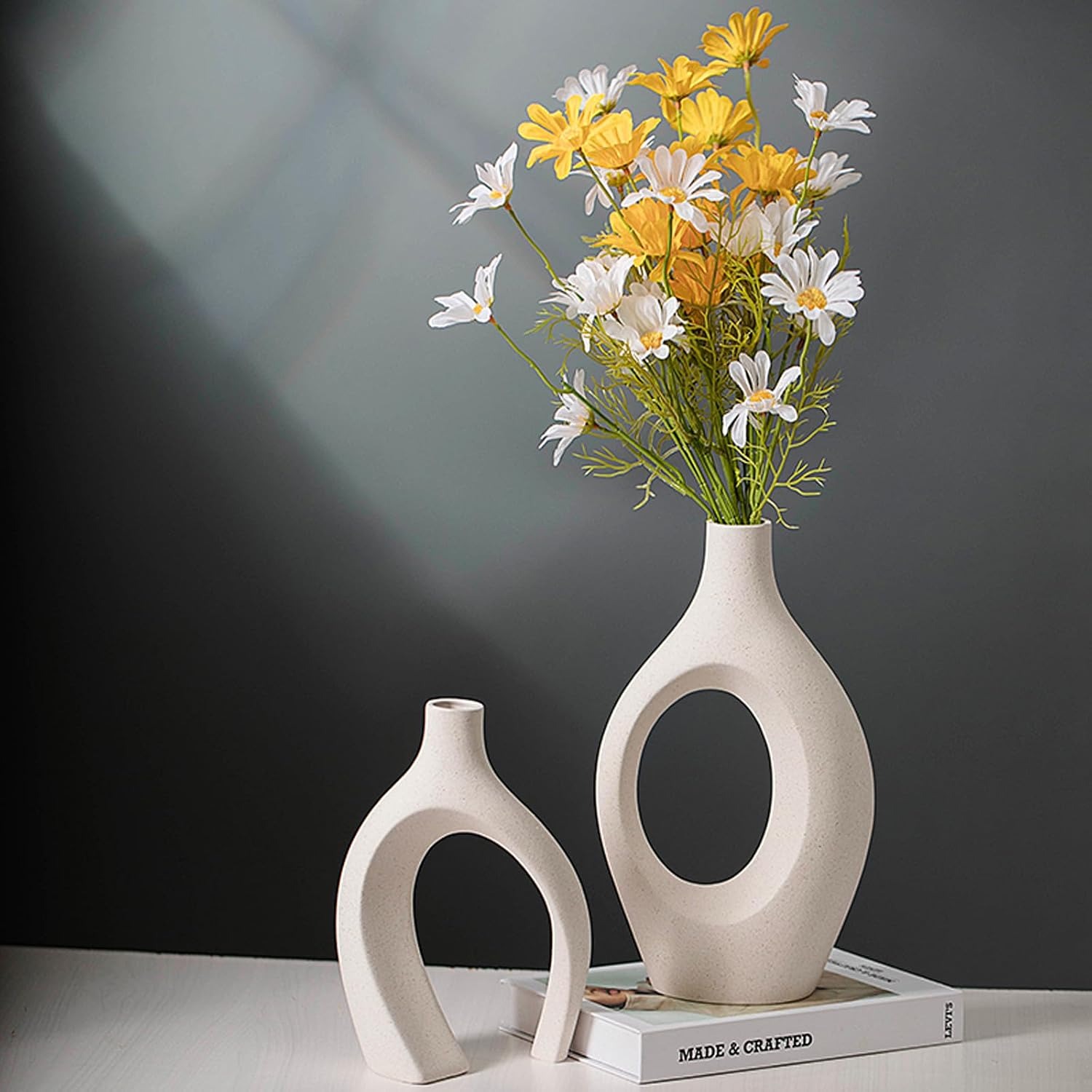
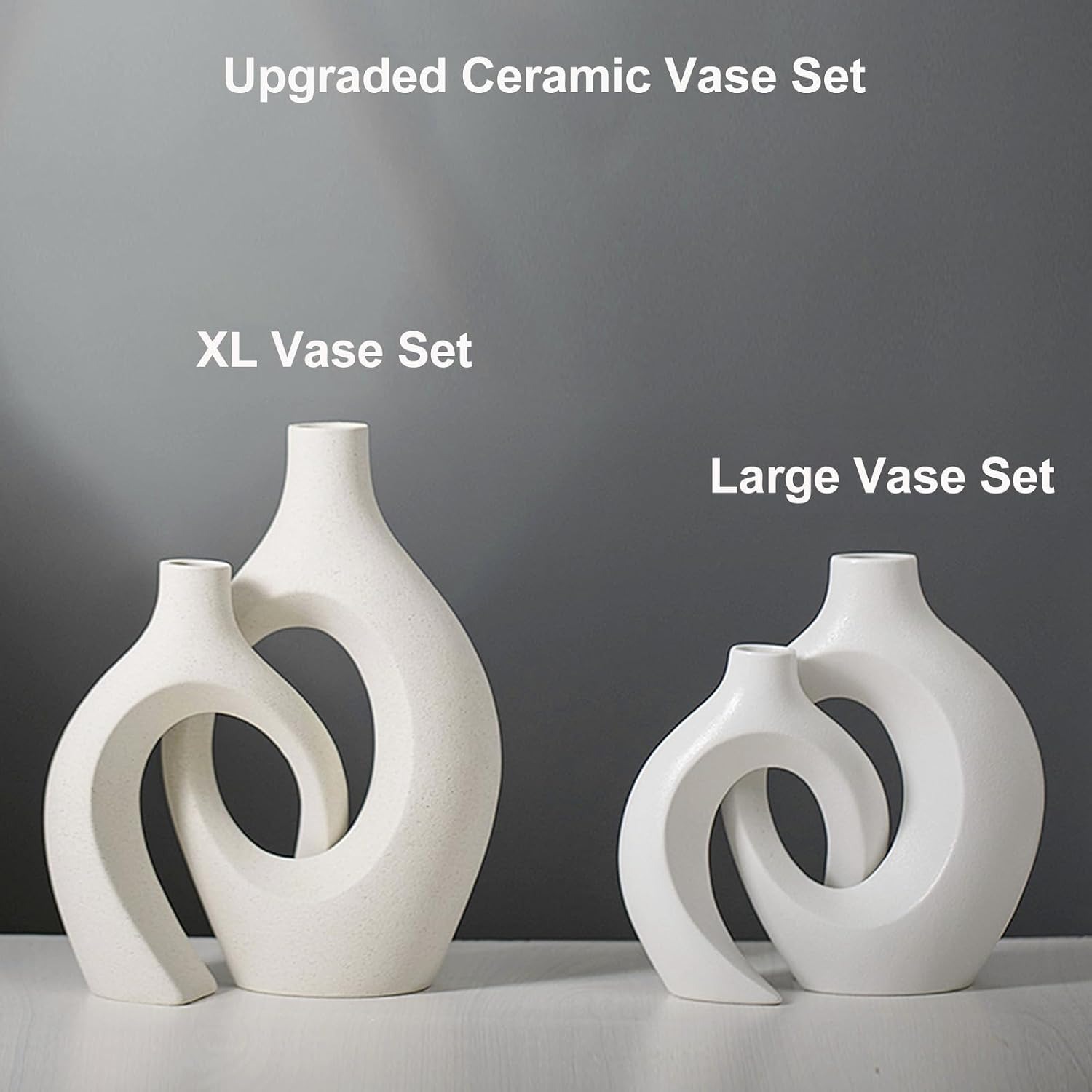
A pair of vases solves it faster. One shape, repeated, with some height to it. The eye reads that as intentional rather than accidental. That is the whole idea behind a set like this: two beige hollow ceramic vases that work on their own and work even better together.
The beige part matters more than it sounds. Neutral tones do not argue with your existing colours. If your sofa is grey, your rug is jute and your cushions change with the seasons, a beige vase is still right next year. Stronger colours lock you in.
How the hollow design works
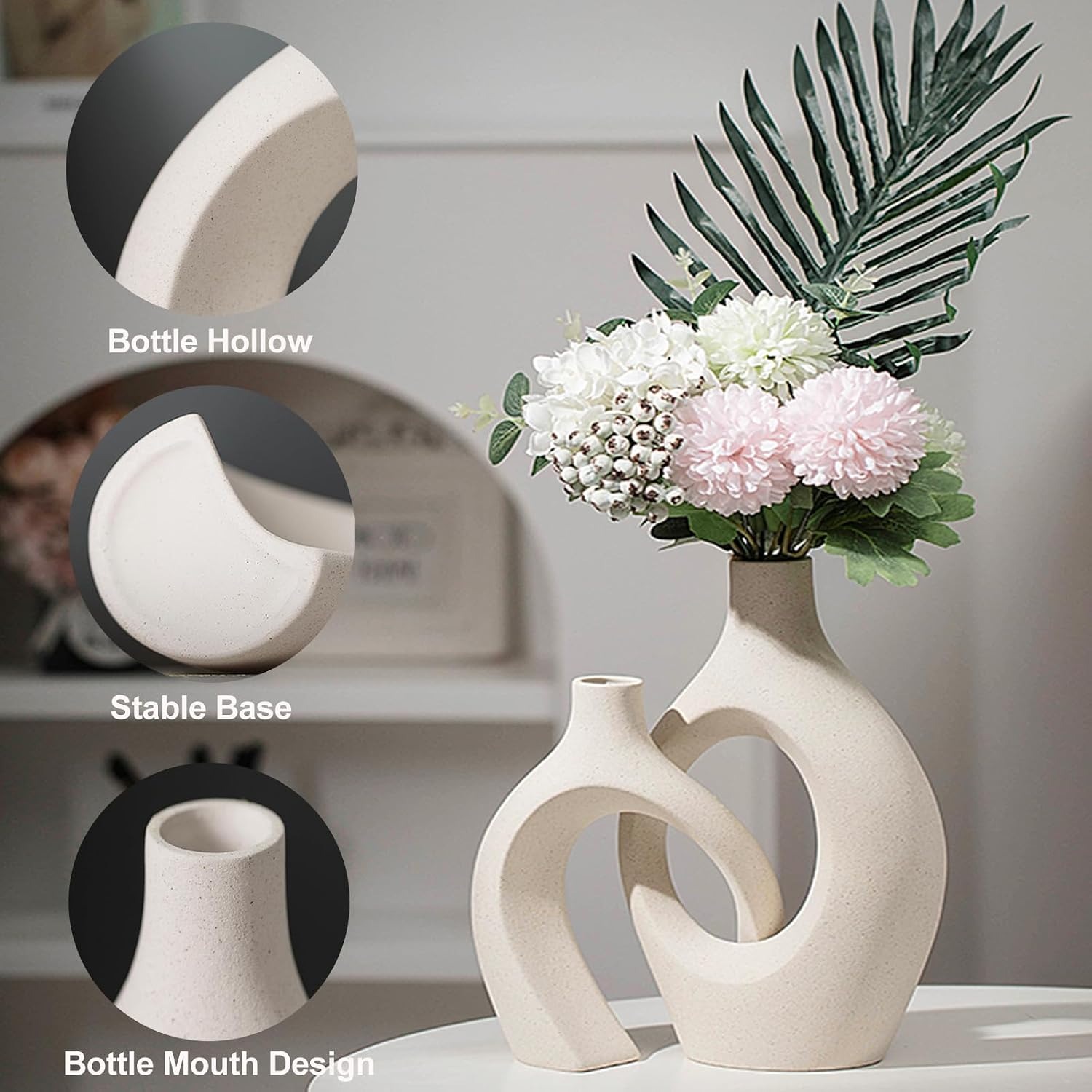
The cut-out through the body is the signature of this shape. It is not functional in the plumbing sense, it is structural and visual. Light passes through the gap, which creates a shadow line that changes through the day. That shadow is what makes the vase look sculptural rather than like a plain cylinder.
It also means the vases hold up when they are empty. Plenty of decor only works when it is full of flowers. Leave an ordinary vase bare for a month and it just looks like a forgotten container. A hollow silhouette still has something to look at, so you are not obliged to keep buying stems.
The matte, frosted finish does similar work. Gloss glaze bounces light and can look hard under a ceiling downlight. Matte absorbs and softens it. Put a matte ceramic piece next to a linen cushion and a timber frame and everything sits in the same register. That is why the best matte ceramic vase options tend to appear in calm, neutral rooms rather than high-contrast ones.
Who this set suits
If your home leans boho, Nordic, modern neutral or relaxed farmhouse, this pair will slot straight in. Those styles all share the same base ingredients: natural fibre, pale timber, off-white walls, texture over pattern.
It suits people who do not want to maintain anything. Fill both with dried stems once and you have a finished corner that asks nothing of you for a year. That is a very different commitment level from a fresh flower habit.
It also suits renters and people who move often. Vases travel. A set that works in a Sydney apartment hallway works just as well on a shelf in the next place. Compare that to a feature light or a statement wall, which you leave behind.
Who it suits less: homes with a bold maximalist colour scheme where beige would disappear, and households with very young children or energetic pets at ground level, unless you can place them up high.
Choosing stems that actually look good
The most common mistake with tall vases is overfilling them. A dense bunch hides the shape you paid for. Two to five stems per vase is usually the sweet spot.
Dried and preserved material is the easiest starting point. Pampas grass is the classic choice because the plumes are soft and tall, and they read as texture rather than colour. Dried palm leaves give a stronger, more graphic outline. Bunny tails and wheat are smaller and better if the vases sit at eye level where fine detail is visible. Preserved eucalyptus adds a muted green without the maintenance of fresh foliage.
Feathers are another option that people forget. They are light, they catch light nicely, and they suit the softness of a matte finish.
For fresh flowers, keep it simple. A loose seasonal bunch with some foliage looks better than a tight florist arrangement in a vase shaped like this. Change the water every few days and recut the stems when you do.
If you are using faux stems, spend a bit more than you think you need to. The giveaway on cheap faux is uniform colour and shiny plastic leaves. Good ones have tonal variation and a matte leaf surface, which sits beautifully against beige ceramic.
Where to put them
Entryway consoles are the strongest placement, because that surface is the first thing anyone sees. A pair of vases with some height greets people at roughly the right eye line.
Coffee tables work if the table is large enough that the vases are not in the way of mugs and remote controls. Push them toward one end rather than centring them, and keep the stems short enough that people can see each other across the table.
Open bookshelves are another good home. Break up rows of book spines with a vase at the end of a shelf. One vase at the top left, one at the bottom right, creates a diagonal your eye follows across the whole unit.
Mantels, sideboards, hall tables, office desks and reception counters all take this shape well. If you have a quiet corner with a floor cushion and a reading lamp, a single vase with tall dried stems finishes it off.
Try splitting the pair too. Two rooms with the same vase shape in them feel connected without anything matching in an obvious way.
Looking after them
Ceramic is low maintenance, with two things to watch.
The first is the matte surface. Do not attack it with abrasive pads or cleaning powder. A soft dry cloth handles dust. For marks, a barely damp cloth and then a dry one to finish. Harsh chemical sprays can leave a patchy sheen that you cannot reverse.
The second is physical knocks. Ceramic chips on edges and rims. Keep the vases away from the front edge of shelves and the walking line past a console table. Felt pads underneath protect your furniture and make the vase slightly easier to slide rather than drag.
If you are using fresh flowers, rinse the inside after each arrangement and let it dry fully. Water left sitting for weeks goes stale and leaves a ring. If a residue line does build up, warm water and a soft bottle brush usually lifts it.
Storing them between seasons? Wrap each one separately in a tea towel or bubble wrap and store upright, not stacked.
Buying as a gift
Home decor gifts are risky because taste varies so much. A neutral vase pair is one of the safer bets available. It does not demand a particular colour scheme, it does not have a brand logo across it, and the recipient decides what goes in it.
A set of two also feels more substantial than a single piece without costing a fortune. It covers housewarmings, weddings, milestone birthdays and the end-of-year gift list.
If you want to make it feel more personal, pair the vases with a bunch of dried stems so the gift arrives ready to display. That turns a nice object into a finished moment, which is what people actually remember.
A note on sizing and specs
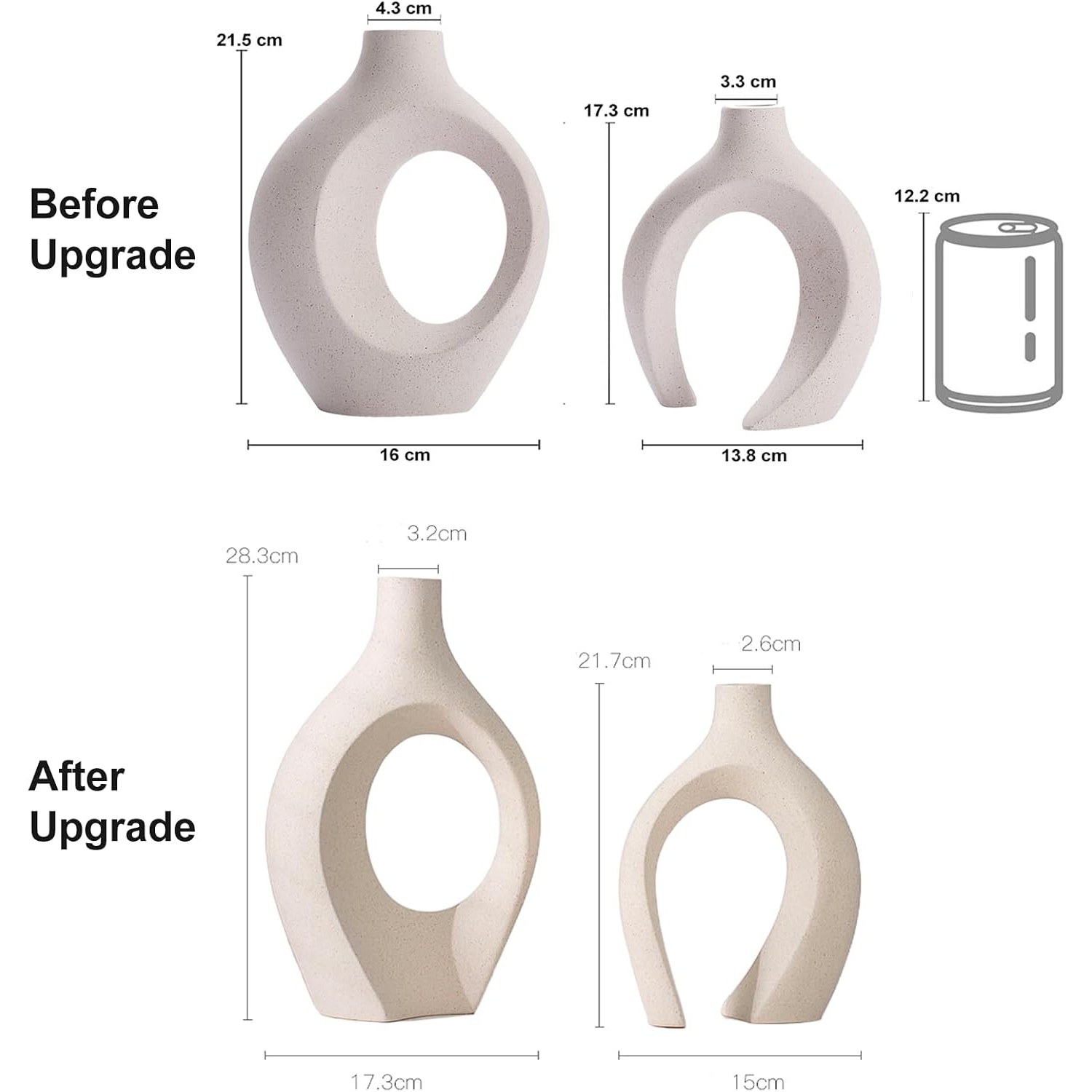
We list what we can verify. Exact dimensions, weight, material breakdown and country of origin are not specified in our product record for this set, so we are not going to guess at numbers. Check the images and any measurements shown on your local storefront listing before ordering if you have a tight space in mind.
What we can say with confidence: the set contains two vases, the design is a hollow cut-out silhouette, the finish is matte with a frosted feel, and the colour is a beige neutral.
The short version
A pair of beige hollow ceramic vases is a simple fix for a bare surface. The cut-out shape gives them presence even when empty, the matte finish keeps them soft rather than shiny, and beige works with almost any existing room.
Fill them with pampas, dried palm or a few good faux stems and you have a finished corner that needs nothing from you. Use fresh flowers when you feel like it. Group them for impact, or split them across two rooms to tie a space together.
Keep the stem count low, keep them clear of table edges, and wipe them with something soft. That is genuinely the whole care routine.